
Celebrating the Art of Siamese Culinary Wisdom and Thai Cuisine
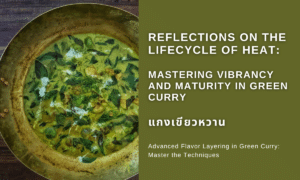
Reflections on the Lifecycle of Heat: Mastering Vibrancy and Maturity in Green Curry (แกงเขียวหวาน)
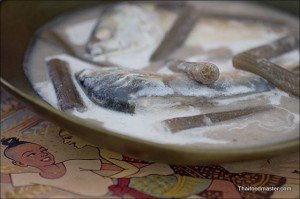
Thai Coconut Curry of Steamed Mackerels and Lotus Stems
(gaaeng gathi saai buaa bplaa thuu neung ;
แกงกะทิสายบัวปลาทูนึ่ง) This old-fashioned Thai coconut curry dish is a simple expression made with ingredients commonly available to Thais, it features steamed mackerels - the fish that Thai people probably love the best and the stems of the lotus flowers - one of Buddhism's most recognized motifs. The fish together with peeled lotus stems are boiled in coconut milk, to which a simple yet very aromatic curry paste, made only of white pepper corns, shallots and fermented shrimp paste is added.
(gaaeng gathi saai buaa bplaa thuu neung ;
แกงกะทิสายบัวปลาทูนึ่ง) This old-fashioned Thai coconut curry dish is a simple expression made with ingredients commonly available to Thais, it features steamed mackerels - the fish that Thai people probably love the best and the stems of the lotus flowers - one of Buddhism's most recognized motifs. The fish together with peeled lotus stems are boiled in coconut milk, to which a simple yet very aromatic curry paste, made only of white pepper corns, shallots and fermented shrimp paste is added.
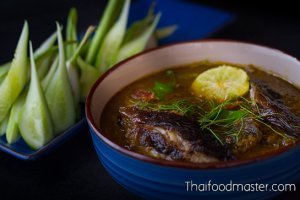
Southern Thai Ancient Fermented Fish Innards Curry with Grilled Catfish (แกงไตปลาปลาดุกย่างโบราณ ; gaaeng dtai bplaa bplaa dook yaang)
แกงไตปลาปลาดุกย่างโบราณ - Fermented fish innards curry is a dense curry made of fermented fish innards is dark coffee-brown in color – a salty, fiery hot dish, it grips the palate in an intense umami embrace. As the flagship dish in the repertoire of spicy southern Thai cuisine, it comes in different versions: some are water based; some have a base of coconut cream. But whatever the style, it is a fiercely hot dish that features both dried and fresh chilies.
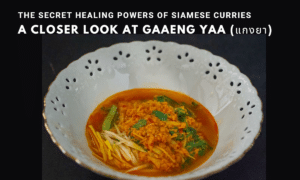
The Secret Healing Powers of Siamese Curries – A Closer Look at Gaaeng Yaa (แกงยา)
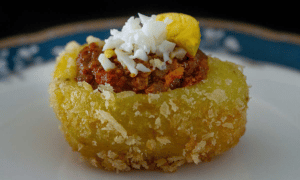
c1935 Stuffed Potatoes with Bitter Orange Fragrant Beef Gaaeng Garee (แกงกะหรี่บรรจุมัน ม.ล. เติบ กำภู ; gaaeng garee ban joo man)
In Anglo-Indian cuisine, potatoes were used liberally in the curries; alongside the favorite sour chutneys, curries were also accompanied by fried, baked, boiled or mashed potatoes. Although the potato gradually found its way into many iconic Indian dishes, and even into Siamese cuisine, the tuber never replaced the rice of South Asia, despite the intentions of both the British and East Indian company officials.
In the 1935 book Sai Yaowapa (ตำรับสายเยาวภา), Princess Yaovabha Bongsanid (พระเจ้าบรมวงศ์เธอ พระองค์เจ้าเยาวภาพงศ์สนิท) reflects the Anglo-Indian style gaaeng garee in her composition of bitter orange-fragrant beef gaaeng garee, which she serves in individual bowls made of fried potatoes, per a recipe recorded by M.L. Terb Gamphu (ม.ล. เติบ กำภู) and M.R. Tuang Sanitwong (ม.ร.ว.เตื้อง สนิทวงศ์).
Chili Choices in Curry - Crafting Flavor, Heat, and Aroma
The type of chilies – fresh, dried or rehydrated – and how they are processed into the curry paste have a significant influence on the dish’s flavor, color, aroma and heat profile. Fresh chilies inject an immediate, sharp spike of heat that rushes in with a piercing, punctuating intensity, a grassy aroma and fruity liveliness. Dried chilies, on the other hand, impart a subtle warmth alongside rich, earthy notes that gradually build up into a steady, lingering burn. The choice of the chili variety will also shape the curry’s flavor. Through an informed selection and processing of chilies, cooks can navigate between mild and spicy, fruity and earthy, and bright and mellow flavors, creating a complex and nuanced heart for their curries.
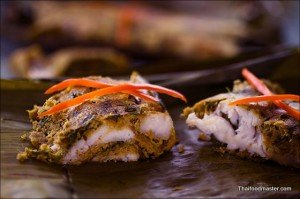
Rustic Grilled Thai Fish Curry in Banana Leaves (Snakehead Fish)
(ngohp bplaa chaawn ; งบปลาช่อน) I love this straightforward grilled Thai fish curry in banana leaves because it packs a punch with its aromatic curry mixture that embrace the white and tender fish meat with great flavors. It is a great addition for any Thai meal and very easy to prepare. Snakehead fish, traditionally caught from irrigation ditches or flooded rice fields, benefits from the aromatic curry paste because it helps to eliminate unpleasant odors which wild caught fishes might acquire from their muddy habitat. Nowadays though, it is commercially farmed and one can safely cook it in various ways with no risk of those undesirable odors.
(ngohp bplaa chaawn ; งบปลาช่อน) I love this straightforward grilled Thai fish curry in banana leaves because it packs a punch with its aromatic curry mixture that embrace the white and tender fish meat with great flavors. It is a great addition for any Thai meal and very easy to prepare. Snakehead fish, traditionally caught from irrigation ditches or flooded rice fields, benefits from the aromatic curry paste because it helps to eliminate unpleasant odors which wild caught fishes might acquire from their muddy habitat. Nowadays though, it is commercially farmed and one can safely cook it in various ways with no risk of those undesirable odors.
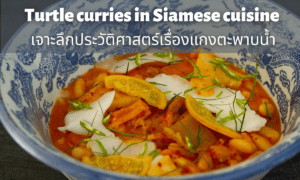
The complete story of turtle curries in Siamese cuisine (เจาะลึกประวัติศาสตร์เรื่องแกงตะพาบน้ำ)
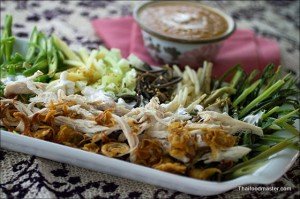
Thai Salad of Chicken and Seven Vegetables Blanched in Coconut Milk and Served With Sour-Salty and Sweet Coconut Curry Dressing, Crispy Fried Shallots and Roasted Sesame Seeds
(yam thawaai ; ยำทวาย) This recipe would probably change your perception about the term "salad", maybe because its dressing has a multi layered, curry-like personality, rather than the common sour vinaigrette-like dressing, or maybe because it takes some good few hours to prepare, somewhat longer than simply opening a bag of hydroponic greens. This salad is the fruit of the dedication of court ladies from aristocratic households, that for centuries perfected and elaborated on the art of cooking through detailed and calculated process, to create sophisticated dishes that are not only delicious but also very healthy and visually pleasing. These ladies made a very large commitment for small things, and they attended all their time and efforts to make minor things better and getting the small things just right.
(yam thawaai ; ยำทวาย) This recipe would probably change your perception about the term "salad", maybe because its dressing has a multi layered, curry-like personality, rather than the common sour vinaigrette-like dressing, or maybe because it takes some good few hours to prepare, somewhat longer than simply opening a bag of hydroponic greens. This salad is the fruit of the dedication of court ladies from aristocratic households, that for centuries perfected and elaborated on the art of cooking through detailed and calculated process, to create sophisticated dishes that are not only delicious but also very healthy and visually pleasing. These ladies made a very large commitment for small things, and they attended all their time and efforts to make minor things better and getting the small things just right.

The Golden Trails of Curry Powder - เรื่องราวของผงกะหรี่
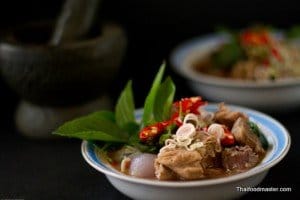
Beef Curry Seasoned with Fermented Shrimp Paste Chili Relish (แกงรัญจวน ; gaaeng ranjuaan)
Gaaeng Ranjuaan is spicy, sour, sweet and salty beef curry seasoned with no more than fermented shrimp paste chili sauce. It should be served steaming hot, and must possess three distinct flavors, similar to fish Tom Yam soup. These modest ingredients and an intensely-flavored curry emerge from a story about love, things lost in translation and…leftovers.

Into The Woods – The Story of Jungle Curry (แกงป่า; gaaeng bpaa)
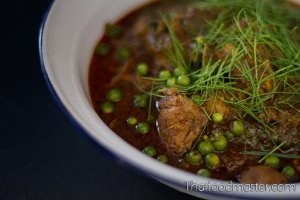
Roasted Southern Thai Curry of Pork, Three Peppers and Young Galangal (แกงเผ็ดลูกทุ่งภาคใต้ ; gaaeng phet luuk thoong phaak dtai)
This profoundly spicy, chestnut-colored pork curry radiates a pungent slow-burning heat from generous amounts of roasted black pepper, along with long peppers and naughty charred dry chili peppers. The curry’s aroma is concentrated even further by roasting the ingredients prior to pounding them - a process that shaves the high notes of the curry and provides a low-pitched intensity that lasts far beyond each bite.
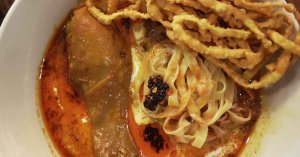
Khao Soi Recipe, Northern Style Curried Noodle Soup with Chicken
(khaao saawy gai ; สูตรทำข้าวซอยไก่) This dish (Khao Soi Recipe) takes us back in time to the mid-19th century. The trade caravans were trailing the jungles of northern Thailand along the ancient routes between India and China. Those long caravans were carrying wealth of exotic goods, leaving rich aroma of spices and the sweet scent of opium as they passed. The men on this long line of between fifty and one hundred mules would be Yunnanese Muslim Chinese, who dominated the trade routes and began to settle in Chiang Mai and the main towns of north Thailand at that time.
(khaao saawy gai ; สูตรทำข้าวซอยไก่) This dish (Khao Soi Recipe) takes us back in time to the mid-19th century. The trade caravans were trailing the jungles of northern Thailand along the ancient routes between India and China. Those long caravans were carrying wealth of exotic goods, leaving rich aroma of spices and the sweet scent of opium as they passed. The men on this long line of between fifty and one hundred mules would be Yunnanese Muslim Chinese, who dominated the trade routes and began to settle in Chiang Mai and the main towns of north Thailand at that time.
Thai Curries: The Professional Chef's Guide - แกงไทย
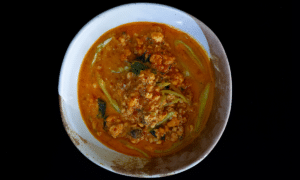
Minced-Bird Curry with Fish (ปลาช่อนแกงนก; Bplaa Chaawn Gaaeng Nohk)
Lady Plean Passakornrawong’s historic, first-ever recipe for minced-bird curry with snakehead fish revives the old minced-bird curry syle. The fish is minced and cooked with the curry paste, producing a hearty and comforting thick-textured curry.
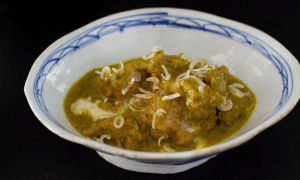
The Contrasting Histories of Gaaeng Rawaaeng (แกงระแวง) - Turmeric-Infused Coconut-Based Thick Curry of Braised Duck and Lemongrass
Gaeng rawang (แกงระแวง) is a curry bearing an unusual name and contradictory accounts regarding its appearance, lineage and origins. When I cook this dish, it is a rich and thick coconut-based curry made with a paste of fresh chilies, aromatics, spices and generous amounts of fresh turmeric, which adds warmth and gives the green chili color a slightly earthier, muted tone that resonates beautifully with the duck meat.
The duck meat is prepared separately and slow-braised in coconut cream before being cooked in the curry. This slow-braising process allows the coconut cream and duck’s fattiness to melt together, resulting in moist and flavorful meat with a hint of sweetness. The curry itself is seasoned to a salty and slightly sweet flavor profile.
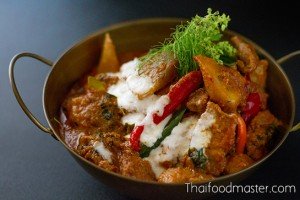
Old-Fashioned Thai Red Curry of Grilled & Smoked Pork Neck and Unripe Green Bananas (แกงหมูย่างกับกล้วยดิบ ; gaaeng muu yaang gap gluay dip)
Thai red curry is a broad term describing any curry that is red in color, although variations exist among the dish’s ingredients or their ratios. Today’s menu features a Thai red curry paste to which we add higher quantities of coriander root and kaffir lime zest; this creates a more aromatic character that will enhance the smokiness of the grilled pork meat and the mild sweetness of the unripe green bananas.

Patterns – Decoding the Complexity of Siamese Curry Paste: A Multidimensional Exploration

Minced-Bird Style Curries - A Peek Into Traditional Ingredients and Cooking Methods (แกงสับนก; Gaaeng Sap Nohk)
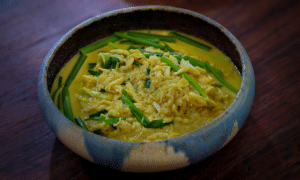
Crab and Spring Onion Coconut-Based Curry (แกงคั่วปูกับต้นหอม; Gaaeng Khuaa Bpuu Gap Dtohn Haawm)
Preparing a crab curry is an exercise in culinary diplomacy, wherein the challenge lies in negotiating the distinct flavors of land and sea into a cohesive understanding and capturing the perfect balance. This golden gastronomic horizon is where the delicate whispers of the ocean meet earth’s bold declarations – and at its core is a straightforward question: How do we craft a curry that testifies, via crab, to the ocean’s bounty, yet remains grounded in the earth’s aromatic flora, with roots like galangal and turmeric?
In addition, it is challenging to create a curry that is luxuriously creamy, yet light and not too greasy; where the crab’s delicate natural sweetness surfaces as a pleasant sea breeze, levitating above the pitfalls of being too fishy or overly sweetened. Another hurdle is achieving the precise color – produced by red chilies, golden turmeric and peppercorns – that reflects the culinary traditions of southern seashore fishing communities. I like mine set to about a 70:30 ratio of yellow to red and, if using black peppercorns, with a deep brown undertone.
1
2
3
Get Access – Join Thaifoodmaster Today
Practical and kitchen-tested recipes with a mix of theory, history, psychology, and Siamese culture tidbits.
-
Get access to everything right away. Unlock more than 50 Masterclasses, over 700 recipes and Articles
Access to Thaifoodmaster’s constantly growing library of prime professional classes, articles, recipes and videos on Siamese culinary topics, available nowhere else in English.
-
GET EXTRA - New Masterclasses and Daily Recipes
Gain access to NEW masterclasses as they become available. Access DAILY translations of heritage-recipes.
-
1-1 support from Hanuman
1-1 support from Hanuman to help you achieve your professional Thai culinary goals
-
Live Q&A Sessions
The opportunity to join a monthly live two-hour videoconference where I can answer your questions.
-
Great Value!
one year access for the price of 3 days in-person training.
You will get everything you need to:
-
To Get inspired
When you design or build a new menu for an event or restaurant or even prepare for dinner with friends.
-
To Satisfy your curiosity.
Finally !
-
To Master Your Craft
Master your Thai cooking skills and expand your repertoire.
It is truly brilliant with a revolutionary approach introducing aspects and concepts never broached by cookbooks.

Ian Westcott
Sourcing Wines for Discerning Private Clients
© 2008 – 2026 Thaifoodmaster


