
Celebrating the Art of Siamese Culinary Wisdom and Thai Cuisine
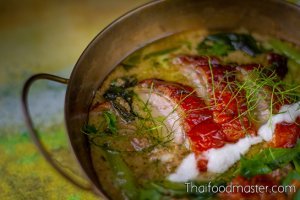
Thai Green Curry with Roasted Duck and Young Chilies (แกงเขียวหวานเป็ดย่าง ; gaaeng khiaao waan bpet yang)
Green curry, with its mellow, creamy green color and rich coconut base, has both fresh and mature flavors. Like new growth on plants, it brings brightness, youthfulness, spring and rebirth to the meltdown of flavors created in the curry paste.
The green curry paste uses mainly the same standard ingredients as Thai spicy-red curry paste: lemongrass, coriander roots, kaffir lime zest, galangal, garlic, shallots, white peppercorns, coriander seeds, cumin seeds, salt and kapi.
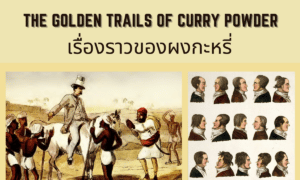
The Golden Trails of Curry Powder - เรื่องราวของผงกะหรี่

Swamp Eel Triple-Layered Red Curry with Fingerroot, Bitter Ginger, Sand Ginger and Thai Basil Flowers (แกงเผ็ดปลาไหลทรงเครื่อง ; Gaaeng Phet Bplaa Lai Sohng Khreuuang)
This eel curry includes a greater-than-usual quantity of aromatics used over three stages. First, the eel is cleaned and sliced into segments; then it is fried with a generous amount of lemongrass, galangal, kaffir lime leaves and shallots. These help to counter its muddy and somewhat iron-like odor, which disappears along with the liquids and the aromatics.
This eel curry recipe is adapted from the vintage book: “Gap Khaao O:H Chaa Roht” by Ging Ga Nohk) (กับข้าวโอชารส โดย กิ่งกนก – กาญจนาภา พ.ศ. 2485). This rare book was written in 1942 during WWII, a period of global turmoil in which Thailand was invaded by the Japanese. That same year marked a decade from the ending of absolute monarchy rule in 1932, and one generation away from the peak of the Siamese culinary renaissance that flourished in the court of King Rama V (1868-1910): a nostalgic era for its children who are still with us to remember and reflect on those times.
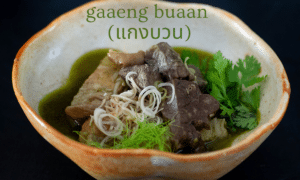
The Story of Gaaeng Buaan (แกงบวน) – The Oldest Siamese Dish?
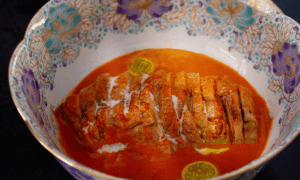
Pan Roasted Duck Breast and Hairy-Fruited Eggplant Curry (แกงเป็ดคั่วมะอึก; gaaeng bpet khuaa maeuk)
The hairy-fruited eggplant, known as ‘maeuk’ in Thai, is similar to the tomato in its unique confluence of sweetness, fruitiness, and savoriness. This ingredient is used in a wide range of Siamese dishes, including curries, salads, relishes, and seasoned rice dishes. This recipe, from the central region of Thailand, is a traditional duck khuaa sohm curry (แกงคั่วส้มเป็ด) that commonly uses garden ingredients to achieve sourness, including the madan (garcinia schomburgkiana) (มะดัน), the sour bilimbi fruit (averrhoa bilimbi) (ตะลิงปลิง), and the hairy-fruited eggplant.

Into The Woods – The Story of Jungle Curry (แกงป่า; gaaeng bpaa)
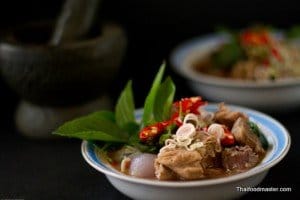
Beef Curry Seasoned with Fermented Shrimp Paste Chili Relish (แกงรัญจวน ; gaaeng ranjuaan)
Gaaeng Ranjuaan is spicy, sour, sweet and salty beef curry seasoned with no more than fermented shrimp paste chili sauce. It should be served steaming hot, and must possess three distinct flavors, similar to fish Tom Yam soup. These modest ingredients and an intensely-flavored curry emerge from a story about love, things lost in translation and…leftovers.
Patterns – Decoding the Complexity of Siamese Curry Paste: A Multidimensional Exploration
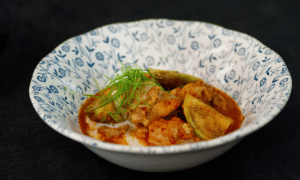
Chiang Mai-Style Chicken Gaaeng Garee (แกงเผ็ดกะหรี่เชียงใหม่ ; gaaeng phet garee chiang mai)
I discovered this unusual curry recipe hidden in a 1970 memorial book for Ms. Bootree Gralaksa. Born in Bangkok in 1898, Ms. Bootree spent her entire life, from childhood on, in a wooden house on Maha Chak Road (Pra Nakorn). One could say that she was born to be a great cook; just fourteen years old when her mother died, Ms. Bootree became the sole caregiver for her four siblings, a duty that she performed with a love and attention that endowed her with remarkable cooking skills. Her memorial book showcases now-forgotten dishes that were popular in the Bangkok of the early 1900s, such as Beautiful Curry (แกงหงษา ; Gaaeng Hohng Saa), and also includes some of her one-of-a-kind culinary creations – such as this dish, which she dubbed “Chiang Mai-Style Spicy Curry”.
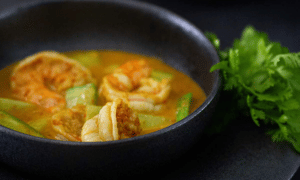
c1889 Garee Curry with Shrimp and Cucumber (แกงกะหรี่กุ้งกับแตงกวา; gaaeng garee goong gap dtaaeng gwaa)
In this old-fashioned coconut-based curry, orangey shrimp and bright green cucumber shine in a golden haze of curry powder, caressed by the light breeze of Indian flare. Cucumbers are used in traditional Ayurvedic medicine as a coolant, to offset internal heat and to resolve fevers. Thus, like a refreshing oasis in the middle of a shimmering desert, the cucumber counterbalances the chili’s internal heat energy and mellows the fragrant, earthy undertones of the spice blend in the dish.
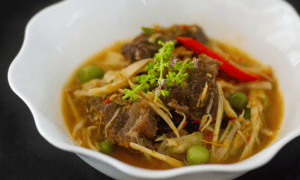
Saen Tung-Style Jungle Curry with Beef and Bamboo Shoots (แกงป่าเนื้อใส่หน่อไม้ แบบแสนตุ้ง; gaaeng bpaa neuua sai naaw mai baaep saaen dtoong)
This is my take on the famous jungle curry from the Saen Tung district in Trat province. In Trat it is usually cooked with game meat and thinly sliced pineapple shoots (แขนงสับปะรด).
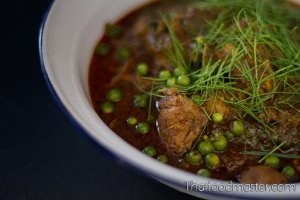
Roasted Southern Thai Curry of Pork, Three Peppers and Young Galangal (แกงเผ็ดลูกทุ่งภาคใต้ ; gaaeng phet luuk thoong phaak dtai)
This profoundly spicy, chestnut-colored pork curry radiates a pungent slow-burning heat from generous amounts of roasted black pepper, along with long peppers and naughty charred dry chili peppers. The curry’s aroma is concentrated even further by roasting the ingredients prior to pounding them - a process that shaves the high notes of the curry and provides a low-pitched intensity that lasts far beyond each bite.
Reflections on the Lifecycle of Heat: Mastering Vibrancy and Maturity in Green Curry (แกงเขียวหวาน)
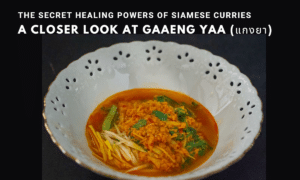
The Secret Healing Powers of Siamese Curries – A Closer Look at Gaaeng Yaa (แกงยา)
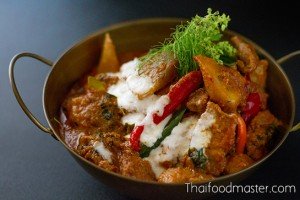
Old-Fashioned Thai Red Curry of Grilled & Smoked Pork Neck and Unripe Green Bananas (แกงหมูย่างกับกล้วยดิบ ; gaaeng muu yaang gap gluay dip)
Thai red curry is a broad term describing any curry that is red in color, although variations exist among the dish’s ingredients or their ratios. Today’s menu features a Thai red curry paste to which we add higher quantities of coriander root and kaffir lime zest; this creates a more aromatic character that will enhance the smokiness of the grilled pork meat and the mild sweetness of the unripe green bananas.
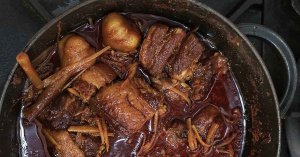
Northern Style Hang Lay Curry (gaaeng hang laeh muu ; แกงฮังเลหมู)
This recipe comes all the way from India through the northern Burmese border. The masala spice mix is still sold in small packages with retro looking prints that seem to forever exist.
There is no way in a recipe to communicate what's going on in here; a thick red chili paste marinate, that bursts in orange turmeric color, provides the perfect seen to the tender, almost falling apart, pork meat.
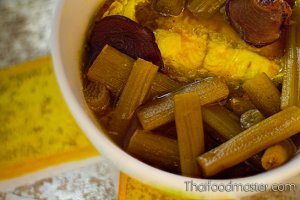
Southern Thai Spicy Sour Yellow Curry with Lotus Stems and Sea Bass (แกงเหลืองสายบัวปลากะพง ; gaaeng leuuang saai buaa bplaa ga phohng)
Yellow sour curry (gaaeng leuuang, แกงเหลือง) is considered a comfort food for the people of Thailand’s southern region. Lavish amounts of fresh turmeric give this spicy, sour and salty curry its rich yellow tint, as well as its earthy aroma and a pleasantly bitter taste. The curry also contains generous portions of the southern dark fermented shrimp paste, resulting in a cloudy, ochre-colored dish.
Southern yellow sour curry is primarily made with saltwater fish, and with either water spinach (phak boong ผักบุ้ง), bamboo shoots (fresh or pickled), green papaya, the stems of the giant elephant ear plant (Colocasia gigantea) (aaw dip อ้อดิบ or thuun ทูน), winter melon (fak khiaao ฟักเขียว) or lotus stems. But versions of the curry that include freshwater fish, shrimp, salted threadfin fish (bplaa goo lao khem ปลากุเลาเค็ม), or even beef or pork belly, are not rare.
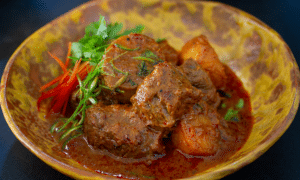
Perfumed Braised Beef and Potato Curry with Three Gingers, Thai Basil and Bitter Orange (แกงเนื้อใส่เปราะหอมสดและส้มซ่า; Gaaeng Neuua Sai Bpraw Haawm Soht Lae Sohm Saa)
Discovered in a memorial book for the funeral of SubLt. Soophoht Jeungpraphaa (ร.ต. สุพจน์ จึงประภา) (1925-1966), this beef and potato curry dish unites two distinct curry styles: Massaman curry, known for its sweet and warming complexity of dry spices, punctuated by the vibrancy of bitter orange juice; and gaaeng phet (แกงเผ็ด) spicy curry, dominated by a basil herbal identity. The recipe maintains a sense of traditional elegance despite the startlingly unusual culinary fusion; as these two cooking styles are woven together, their spiced comfort, earthy warmth, citrusy freshness, and cool herbaceous notes meld in a gentle refinement. Drawing upon familiar and novel elements, this curry is both comforting and stimulating.
Massaman curry typically presents as a deep, rich dish. Its unique flavor profile is derived predominantly from a range of dry spices that point to its Persian-inspired roots in Siamese cuisine, along with a curry paste that exudes a sense of freshness. The dried chilis are roasted to deepen their color; the rest of the ingredients, such as the shallots, garlic and dry spices, are roasted too, individually, before being pounded into the paste. Conversely, the gaaeng phet (แกงเผ็ด) curry integrates dry spices more sparingly and is known for flavor qualities that are based on a phrik khing (พริกขิง) paste made of fresh aromatics and a basil herbal identity.
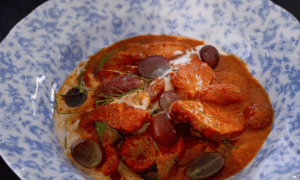
c1941 Roasted Duck Curry with Grapes (Gaaeng Ho) (แกงเป็ดเหาะใส่องุ่น อย่างคุณถนอม ปาลบุตร พ.ศ. 2484; gaaeng bpet haw sai angoon)
Grapes have long been associated with prosperity, fertility and abundance across various cultures and historical periods due to the fruit’s large clusters and bountiful growth. In ancient China, grapes were considered a symbol of wealth and nobility, and often deployed as a status symbol among the elite. In Greek mythology, Dionysus, the god of wine and fertility, was often depicted holding a bunch of grapes, further emphasizing the connection between grapes and abundance. This association is also likely rooted in the fact that grapes were a valuable crop in antiquity – used to produce wine and other fermented products, and an important source of food and nutrition. In Indian Ayurvedic texts, grapes are referred to as vineaksha and utilized in treating a variety of ailments, including fever and indigestion.
From the Siamese perspective, the incorporation of fruits in culinary preparations was viewed as a luxurious indulgence, as many fruits commonly available today were once difficult to obtain. Thus the pairing of an extravagant ingredient – such as fruit – with an equally opulent and exclusive delicacy like roasted duck resulted in a dish fit for royalty.
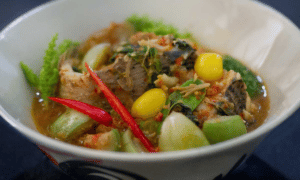
Kanchanaburi-Style Snakehead Fish Jungle Curry with Bitter Yellow Eggplants (แกงป่าปลา ; gaaeng bpaa bplaa)
This recipe is adapted from a recipe I obtained from a jungle food restaurant in Kanchanaburi province. The paste is a downgrade of a phrik khing paste – it omits the coriander roots and shallots. In addition, the recipe substitutes the fermented shrimp paste (kapi) with maawn fermented fish paste (กะปิมอญ; gabpi maawn), which is a popular ingredient among the Mon-Burmese population of the western province. The lack of shallots eliminates any sweetness that might impair the sharpness and heat of the dish. Furthermore, a double hit of citrus notes from holy basil are infused into the dish: from the holy basil flowers added to the paste and the holy basil leaves added to the curry.
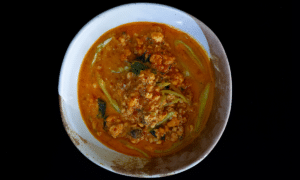
Minced-Bird Curry with Fish (ปลาช่อนแกงนก; Bplaa Chaawn Gaaeng Nohk)
Lady Plean Passakornrawong’s historic, first-ever recipe for minced-bird curry with snakehead fish revives the old minced-bird curry syle. The fish is minced and cooked with the curry paste, producing a hearty and comforting thick-textured curry.
1
2
3

Get Access – Join Thaifoodmaster Today
Practical and kitchen-tested recipes with a mix of theory, history, psychology, and Siamese culture tidbits.
-
Get access to everything right away. Unlock more than 50 Masterclasses, over 700 recipes and Articles
Access to Thaifoodmaster’s constantly growing library of prime professional classes, articles, recipes and videos on Siamese culinary topics, available nowhere else in English.
-
GET EXTRA - New Masterclasses and Daily Recipes
Gain access to NEW masterclasses as they become available. Access DAILY translations of heritage-recipes.
-
1-1 support from Hanuman
1-1 support from Hanuman to help you achieve your professional Thai culinary goals
-
Live Q&A Sessions
The opportunity to join a monthly live two-hour videoconference where I can answer your questions.
-
Great Value!
one year access for the price of 3 days in-person training.
You will get everything you need to:
-
To Get inspired
When you design or build a new menu for an event or restaurant or even prepare for dinner with friends.
-
To Satisfy your curiosity.
Finally !
-
To Master Your Craft
Master your Thai cooking skills and expand your repertoire.
It is truly brilliant with a revolutionary approach introducing aspects and concepts never broached by cookbooks.

Ian Westcott
Sourcing Wines for Discerning Private Clients
© 2008 – 2026 Thaifoodmaster


