
Celebrating the Art of Siamese Culinary Wisdom and Thai Cuisine
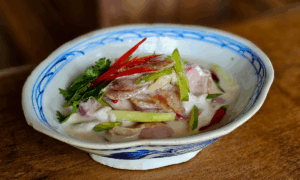
c1935 Princess Yaovabha's Sweet Chinese Sausage in Coconut Cream Soup (แกงไส้กรอกหมูแห้ง; gaaeng sai graawk muu haaeng)
A 1935 Thai palace recipe preserving Princess Yaovabha's Chinese sausage coconut curry. This ivory-colored soup features sweet goon chiang sausage in creamy coconut with lemongrass, kaffir lime, and tamarind. The dish represents a historic culinary shift when Chinese ingredients entered royal Thai kitchens, transforming from street food to palace cuisine.
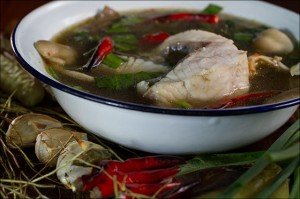
ต้มแจ่วปลา
Dtom Jeaw Pla is a rustic and spicy fish soup that is far from being unsophisticated. There is something humble, genuine, and unpretentious about it, which makes you fall in love with it.
Its humble countryside charm and surfeit of tastes quickly placed it high on my personal list of favorite dishes.
The fresh essence of fish cooked to perfection melds with the earthy tones of the grilled ingredients, the eggplants, shallots, chilies and garlic. It has a heavenly silky broth with a scent of lemongrass, which is generously lifted up by a handful of fresh herbs, lemon basil, saw coriander and spring onions.
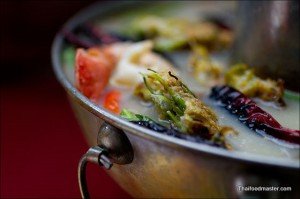
ต้มยำกุ้งทอดมันดอกโสน
เมนูในวันนี้ที่หนุมานจะมานำเสนอคือ “ต้มยำกุ้งทอดมันดอกโสน” ซึ่งรสชาติความหวานอมขมของดอกโสนนั้น สามารถเข้ากันได้ดีกับความหวานของเนื้อกุ้งและความแซบของต้มยำอีกด้วย หรือแม้กระทั่งทอดมันดอกโสนเปล่า ๆ ยังสามารถทานเป็นอาหารว่างได้อีก
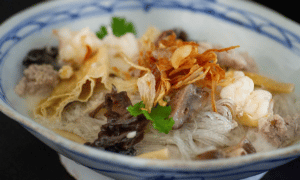
Gaaeng Raawn (แกงร้อน)
Gaaeng raawn (แกงร้อน) is a colloquial Thai term that refers to ‘hot curry’. Today, gaaeng raawn is used to denote soups or curries served with steamed rice. While the precise origin of the term is unclear, gaaeng raawn (แกงร้อน) was deployed in the 1800s for a specific dish – a Siamese soup featuring glass noodles, cooked as either a coconut or a water-based soup with an assortment of dry ingredients revered in Chinese cuisine. The soup’s potential health benefits, combined with its ease of preparation and subtle yet profound flavor, made it a popular choice for entertaining large groups of people, of all ages and backgrounds. The soup is often augmented with fresh proteins: in its more luxurious versions, multiple proteins may be added, including a combination of chicken, pork, shrimp, squid, and crab meat. Thus, over the years, gaaeng raawn (แกงร้อน) was established as a staple source of comfort and warmth for people of all walks of life in Siamese society.
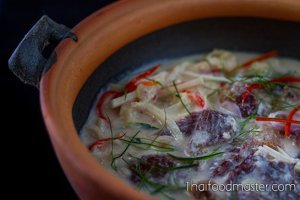
แกงต้มกะทิเนื้อโคเค็ม อย่าง จีบ บุนนาค (พ.ศ. ๒๔๘๔)
ภูมิปัญญาไทยโบราณท่านมีความอัจฉริยะล้ำเลิศ คิดปรุงตำรับอาหารที่ได้ผลออกมาอย่างลงตัว ดังที่กล่าวมาในบทก่อนหน้า วิถีไทยอาศัยการถนอมอาหารด้วยการทำเค็มหรือตากแห้ง และเมื่อจะนำมารับประทาน ความรุ่มรวยทางวัฒนธรรมการกิน บวกกับความมีศิลปะแห่งการปรุง คนสมัยก่อนสามารถรังสรรค์ของใกล้ตัว ให้ออกมาเป็นตำรับที่วิเศษได้โดยง่าย ง่ายด้วยกรรมวิธี ง่ายด้วยวัตถุดิบเครื่องปรุง ให้เป็นของอร่อยแบบไทยแท้ หนึ่งในตำรับนั้นคือ "ต้มกะทิเนื้อโคเค็ม"....
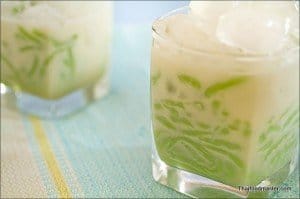
ขนมลอดช่องน้ำกะทิ หรือ นกปล่อย
Thai desserts are usually made from common ingredients and therefore very popular. However, it was only during the 17th century that desserts and sweets actually became part of everyday meals. In the old days, they were served only at auspicious occasions and ceremonies.
During wedding ceremonies, for example, four kinds of sweets are usually served, collectively known as "the four plates dessert" (ขนมสี่ถ้วย ; khanohm see thuay). The ancient Thai expression "To eat four cups of dessert" (กินสี่ถ้วย ; gin see thuay ) used in the central region of the kingdom as an idiom referring to a wedding banquet.
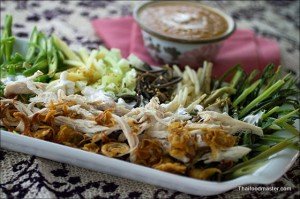
ยำทวาย
This recipe would probably change your perception about the term "salad", maybe because its dressing has a multi layered, curry-like personality, rather than the common sour vinaigrette-like dressing, or maybe because it takes some good few hours to prepare, somewhat longer than simply opening a bag of hydroponic greens.
This salad is the fruit of the dedication of court ladies from aristocratic households, that for centuries perfected and elaborated on the art of cooking through detailed and calculated process, to create sophisticated dishes that are not only delicious but also very healthy and visually pleasing.
These ladies made a very large commitment for small things, and they attended all their time and efforts to make minor things better and getting the small things just right.
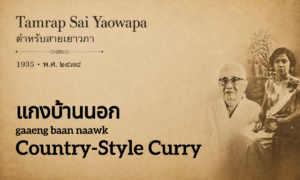
Country-Style Curry (แกงบ้านนอก; gaaeng baan naawk)
Gaaeng baan naawk, a country soup of prawns, pork belly and snakehead fish built on a pounded grilled-fish base. Tamrap Sai Yaowapa, 1935.
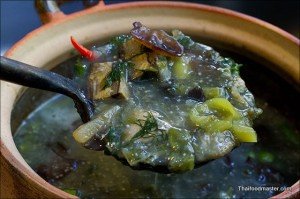
เอาะหลามไก่ใส่สะค้าน
This Laotian dish is popular in the mountainous region of Luang Prabang, the magical city in the northern part of Central Laos.
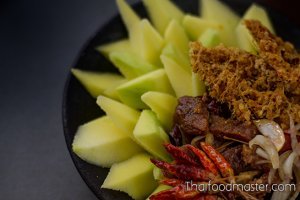
ยำส้มฉุน
ที่ท่านขุนฯ นำ "ส้มฉุนมารื้อฟื้น หรือนำมาให้รู้จักก็เพราะ ไม่อยากให้ตำรับ "ส้มฉุน" หายไป ก็ทั้งอย่างประเภทคาว ในที่นี้จะขอเรียกเป็น "ยำส้มฉุน" เพื่อให้ดูแยกกันกับ "ส้มฉุน" ที่เป็นอาหารหวาน ว่าเป็นตำรับคนละอย่างกัน ถึงจะชื่อเดียวกันก็เถอะ
อาศัยกระแส "นิยมไทย" กลับมา ไม่ว่าจะการแต่งกายที่หันมาเน้นผ้าไทย และ อย่างไทย กันมากขึ้น ด้านการกีฬา คนไทยก็ได้รับการยอมรับในแวดวงกีฬาระดับโลกมากขึ้น เช่น แบดมินตัน เป้าบิน ฟุตบอลพรีเมียร์ลีก กอล์ฟ พีจีเอทัวร์ ฯลฯ ทำให้คนไทยตื่นตัว แม้กระทั่งวงการละคร การนำเสนอเรื่องราวสังคมย้อนยุค สมัยเก่าก็มีมากมายหลายเรื่อง ออกมาไม่ขาดตอน คนไทยยังจำบท "ส้มฉุน" ชื่อตัวละครเด็กไทยจอมซน ผู้มีบทบาทอยู่ใกล้ชิดนางเอก ตัวนำเรื่องอย่าง 'แม่นายนกยูง' คนในสมัยอยุธยา ที่หลงยุคมาในปัจจุบัน ในนวนิยายเรื่อง "เรือนมยุรา" ที่ผลิตออกมาเป็นทั้งภาพยนต์และละคร ได้อย่างไม่ลืม นี่ก็มีนัยมีกระแสว่าจะมีการนำกลับมาทำเป็นละครใหม่อีกครั้งหนึ่ง เหล่านี้ล้วนสร้างกระแส "นิยมไทย" กลับมาในสังคมปัจจุบันอีกเช่นกัน
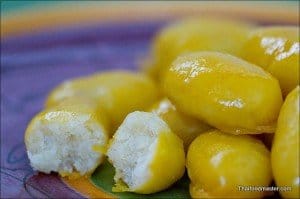
ขนมเม็ดขนุน
It is believed that this dish was introduced to the Siamese royal cuisine in the middle of the seventeenth century by Portuguese traders. Later, along with other egg yolk-based golden sweets like the golden drops (thong yot ทองหยอด), golden flowers (thong yip ทองหยิบ) and golden threads (foi thong ฝอยทอง), these royal desserts were passed to commoners outside the court.
For the marzipan filling I am using, beside the mung beans, both the flesh and the water of fragrant young coconuts. It gives a rich, sweet and almost nutty flavor which works perfectly with the silky texture of the mung beans and the creamy golden egg yolks coating.
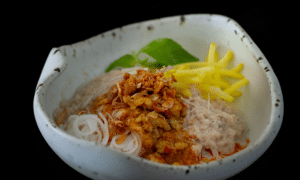
Naam Yaa Neuua – Northern Style Naam Ya according to Lady Plean Passakornrawong (น้ำยาเหนือ)
This fermented rice noodle dish is served with a slow-cooked, chili-less broth made from pounded fish meat and aromatics cooked in coconut cream. Creamy in color and velvety in texture, the broth is seasoned either with fish sauce, fermented fish or salted fish according to one’s preferences. The broth is allowed to slow-cook, achieving its full richness over a couple of hours. Once ready, the broth is poured over the noodles, which are then topped with a glossy-orangey layer of minced shrimp meat fried with their tomalley in pork lard. Complementing this richness are crunchy yellowish bean sprouts blanched in turmeric-tinted water, a sprinkle of sweet, golden crispy-fried shallots and, finally, green lemon basil leaves that endow the dish with a unique, rustic herbal persona.
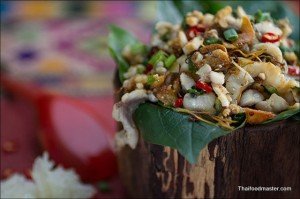
ก้อยปลานิลหลวงพระบาง
A marvelous Luang Prabang style fish salad recipe (Koi Pla), which is very easy to prepare and even though it looks simple, its flavors are complex and clever.
Fresh fish fillet is sliced into thin strips which are quick blanched in lemongrass infused boiling water - a cooking method that presenting it’s natural flavors with an uplifting citrusy notes. The white fish slices are then mixed with, deep golden brown caramelized mix of fried garlic, shallots and lemongrass, which are not just visually pleasing but also add a unique sweetness and richness to the dish.
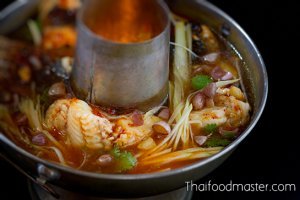
ต้มยำปลาช่อนแบบโบราณ - อย่างหม่อมซ่มจีน (ราชานุประพันธุ์) - ร.ศ.๑๐๙
ตำรับอาหารไทยแท้ที่มีมาแต่โบราณ ปัจจุบันยังคงมีอยู่ หากแต่พัฒนาไปไกลจนแทบไม่มีใครรับรู้ต้นเค้าเก่าก่อน ถ้าให้คนรุ่นปัจจุบันมาลิ้มลองตำรับแบบดั้งเดิม ก็จะมองว่าเป็นของแปลกไปเสียแล้ว ดังนั้น Thaifoodmaster คงจะต้องออกมาอธิบายถึงพัฒนาการของอาหารตำรับน้ำแกงนี้ก่อนไม่มีใครจดจำของเก่าแบบดั้งเดิมได้
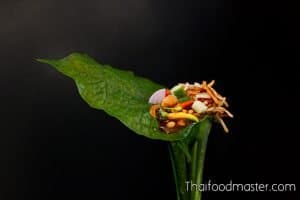
เมี่ยงคำ
ค้นข้อมูลดูว่าตำรับ "เมี่ยงคำ" เริ่มปรากฏมีบันทึกไว้เป็นลายลักษณ์อักษรแต่เมื่อใดกันแน่ สอบทานดูตำราอาหารเก่า ๆ หลายตำรับ ที่ตีพิมพ์ในสมัยรัชกาลที่ ๕ ก็ไม่พบ "เมี่ยงคำ" ในวิถีอาหารไทยโบราณแต่อย่างใด พบแต่ เมี่ยงลาว หรือ เมี่ยงพายัพ ซึ่งหมายถึงเมี่ยงที่มาจากทางเหนือ จากการอ่านหนังสือหลาย ๆ เล่ม เพื่อหาข้อมูลพบว่า "เมี่ยง" ได้เริ่มเป็นที่นิยมแพร่หลายในรั้วในวัง ก็หลังจากที่พระราชชายาเจ้าดารารัศมี ลงมารับราชการในราชสำนักที่กรุงเทพฯ และได้นำวัฒนธรรมการกินเมี่ยง ซึ่งเป็นหนึ่งในวิถีการดำรงชีวิตแบบล้านนาติดมาในหมู่ข้าราชบริพารชาวเหนือในตำหนักของพระองค์ ซึ่งบรรดาชาววังในสมัยนั้นจะเห็นเป็นสิ่งแปลกตาโก้เก๋ และคอยเอาอย่างในบางเรื่อง ทำให้หลังจากนั้นจึงค่อยเริ่มมีตำรับเมี่ยงต่าง ๆ ออกมามากมาย ปรากฏในตำราอาหารหรือเครื่องว่างต่าง ๆ ของไทยในสมัยต่อ ๆ มา สำหรับ "เมี่ยงคำ" นั้น พบว่ามีปรากฏครั้งแรก ในบทกาพย์เห่ชมเครื่องว่าง ของรัชกาลที่ ๖ ที่ใช้เป็นบทนำในตอนต้นบทความนี้ ซึ่งนั่นก็แสดงว่า "เมี่ยงคำ" กลายเป็นเครื่องว่างในวังหลวงเป็นที่นิยมกันมากแล้วในสมัยนั้นถึงสามารถขึ้นโต๊ะเครื่องเสวยได้ จึงเป็นข้อสันนิษฐานว่าน่าจะมีกำเนิดมาไม่เก่าไปกว่าสมัยรัชกาลที่ ๕ เป็นแน่แท้ ตำรับ "เมี่ยงคำ" คงจะเกิดจากการคิดประดิษฐ์ทำนำสิ่งละอันพันละน้อย ใส่ไปในคำเมี่ยง พร้อมใส่น้ำเมี่ยง เพื่อรับประทาน ทีละคำ ๆ จึงได้ชื่อว่า "เมี่ยงคำ" เหมือน ๆ หรือทำนองเดียวกันกับ "เมี่ยงอยาก" ที่ คุณป้า ม.ล. เนื่อง นิลรัตน์ เขียนบันทึกไว้ในหนังสือ "ชีวิตในวัง" ที่ตีพิมพ์มาแล้วหลายครั้ง ว่าเกิดจากความอยากกินเมี่ยง ของกลุ่มข้าหลวงวังสวนสุนันทา เวลามานั่งจับกลุ่มคุยกันยามว่างภารกิจ และไปค้นหาของในครัว ได้ กากหมู น้ำตาลปึก กะปิ ฯลฯ ก็นำมารับประทานกันเป็น"เมี่ยง" ที่อร่อยอย่างง่าย ๆ
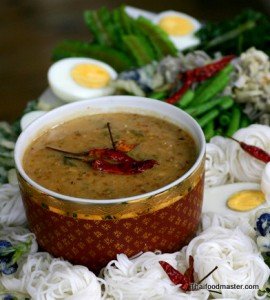
ขนมจีนน้ำพริกกุ้งสูตรมหาเด็ด
The sweet leading sour coconut cream based sauce, enriched and thickened with fragrant freshly roasted peanuts and golden beans are a wonderful coat to dress the sweet shrimp meat. The aromatics are being extracted in every possible way, by roasting, and frying, boiling and reducing, pounding and grounding. All the culinary methods are being fully employed to guarantee an absolute real first class dish.
If you want to start some real Thai cooking going at your home, have the time and access to all the ingredients, than I really want you to try this dish. The building blocks of flavors work so well here and it will open you a great window to see the beginning of what is possible in Thai cuisine.
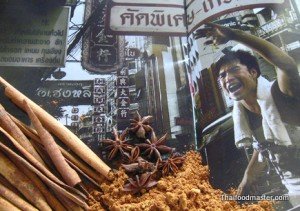
สูตรทำไข่พะโล้หมูสามชั้นเห็ดหอม
This is an aromatic stew that leans into the sweet spectrum of the palate. An all-time Thai favorite, moo palo was introduced locally by the Chinese-Cantonese and Tae Chiew immigrants who flocked to the Kingdom in the early nineteenth century.
The name of this dish originates from two Chinese words: pah ziah and lou.
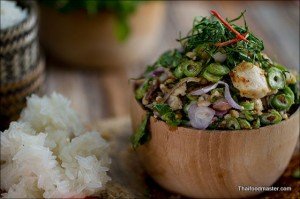
ก้อยปลานิลเวียงจันทน์
In 1833 Prince Mongkut, who later became King Rama IV, found a square stone inscription, known today as “The Ramkhamheang’s Inscription”, believed to be written 541 years earlier, in 1292, by King Ramkhamheang - the third king of The Sukhothai Dynasty (1279-1298).
In this inscription King Ramkhamheang tells the story of the Sukhothai regime; He includes details of the systems of law and describes how he ruled the people wisely, in a kind and personal, like father and son manner. King Ramkhamheang – (who was an outstanding warrior, statesman, scholar and diplomat who expanded his control from the Khmer kingdom of Angkor in the east, through much of what is today central and southern Thailand, to northern parts of Laos and Burma) – gives a picture of his kingdom as idyllic and free of constrains.
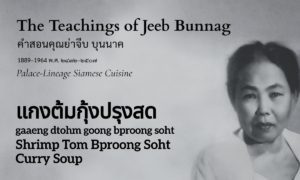
FShrimp Tom Bproong Soht Curry Soup (แกงต้มกุ้งปรุงสด; gaaeng dtohm goong bproong soht)
Gaaeng dtohm goong bproong soht: grilled shrimp with green mango and pickled garlic, seasoned at the bowl. Jeeb Bunnag, 1933.
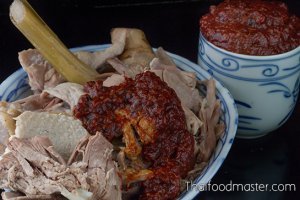
ต้มข่าเป็ด จิ้มน้ำพริกเผาแบบโบราณ อย่างหม่อมซ่มจีน (ราชานุประพันธุ์) ร.ศ.๑๐๙
อาหารโบราณที่ปัจจุบันเปลี่ยนไปจากตำรับเดิมตามรสนิยม ต้มข่าเป็ด จิ้มน้ำพริกเผาแบบโบราณ
"ต้มข่า" แต่เดิม ซึ่งเป็นอาหารของชาวบ้านทั่วไป อาหารชนิดนี้จัดเป็นแกงอย่างหนึ่ง ที่ใช้เนื้อเป็ด เนื้อไก่ หรือ เนื้อปลา ต้มเคี่ยวกับข่าอ่อนในน้ำกะทิ รับประทานกับน้ำพริกหรือน้ำพริกเผา เป็นอาหารพื้น ๆ ของคนไทย ที่เดี๋ยวนี้เปลี่ยนแปลงกลายพันธุ์จนมีลักษณะเข้าใกล้ "ต้มยำกะทิ"
เมื่อราวร้อยกว่าปีก่อนนั้น คนส่วนใหญ่ยังปรุง "ต้มข่า" ในแบบที่ได้เล่ามาอยู่เลย "ตำรากับเข้า" ของ "หม่อมส้มจีน" (ร.ศ.๑๐๙) ก็เขียนถึง "ต้มข่า" ตำรับนี้ เป็นของทำง่ายอย่างสามัญ จะเห็นได้ว่าคนรุ่นเก่าจะเน้นกิน “ต้มข่า” ที่เนื้อสัตว์และข่าอ่อน จิ้มกับน้ำพริกเผาชูรสข้างนอกถ้วย มิใช่ปรุงรสสำเร็จเปรี้ยวเค็มหวานในน้ำแกงอย่างปัจจุบัน
จะเห็นได้ว่าคนรุ่นเก่าจะเน้นกิน "ต้มข่า" ที่เนื้อสัตว์และข่าอ่อน จิ้มกับน้ำพริกเผาชูรสข้างนอกถ้วย มิใช่ปรุงรสสำเร็จเปรี้ยวเค็มหวานในน้ำแกงอย่างปัจจุบัน....
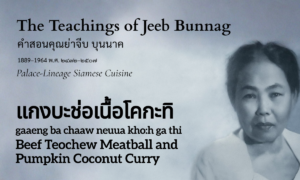
Beef Teochew Meatball and Pumpkin Coconut Curry (แกงบะช่อเนื้อโคกะทิ; gaaeng ba chaaw neuua kho:h ga thi)
Gaeng ba chaaw, Teochew-style beef meatballs seasoned with coriander root paste, simmered in coconut milk with pumpkin. Jeeb Bunnag, 1933.
1
2
3

Get Access – Join Thaifoodmaster Today
Practical and kitchen-tested recipes with a mix of theory, history, psychology, and Siamese culture tidbits.
-
Get access to everything right away. Unlock more than 50 Masterclasses, over 700 recipes and Articles
Access to Thaifoodmaster’s constantly growing library of prime professional classes, articles, recipes and videos on Siamese culinary topics, available nowhere else in English.
-
GET EXTRA - New Masterclasses and Daily Recipes
Gain access to NEW masterclasses as they become available. Access DAILY translations of heritage-recipes.
-
1-1 support from Hanuman
1-1 support from Hanuman to help you achieve your professional Thai culinary goals
-
Live Q&A Sessions
The opportunity to join a monthly live two-hour videoconference where I can answer your questions.
-
Great Value!
one year access for the price of 3 days in-person training.
You will get everything you need to:
-
To Get inspired
When you design or build a new menu for an event or restaurant or even prepare for dinner with friends.
-
To Satisfy your curiosity.
Finally !
-
To Master Your Craft
Master your Thai cooking skills and expand your repertoire.
It is truly brilliant with a revolutionary approach introducing aspects and concepts never broached by cookbooks.

Ian Westcott
Sourcing Wines for Discerning Private Clients
© 2008 – 2026 Thaifoodmaster


