
Celebrating the Art of Siamese Culinary Wisdom and Thai Cuisine
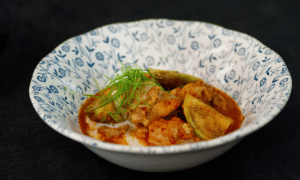
Chiang Mai-Style Chicken Gaaeng Garee (แกงเผ็ดกะหรี่เชียงใหม่ ; gaaeng phet garee chiang mai)
I discovered this unusual curry recipe hidden in a 1970 memorial book for Ms. Bootree Gralaksa. Born in Bangkok in 1898, Ms. Bootree spent her entire life, from childhood on, in a wooden house on Maha Chak Road (Pra Nakorn). One could say that she was born to be a great cook; just fourteen years old when her mother died, Ms. Bootree became the sole caregiver for her four siblings, a duty that she performed with a love and attention that endowed her with remarkable cooking skills. Her memorial book showcases now-forgotten dishes that were popular in the Bangkok of the early 1900s, such as Beautiful Curry (แกงหงษา ; Gaaeng Hohng Saa), and also includes some of her one-of-a-kind culinary creations – such as this dish, which she dubbed “Chiang Mai-Style Spicy Curry”.
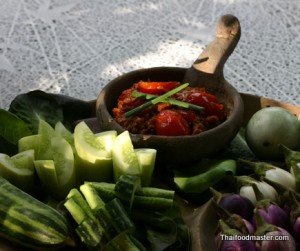
Thai Northern Style Pork and Tomato Chili Relish (naam phrik aawng ; naam prik ong ; น้ำพริกอ่อง)
A dish, like a smell or a color can be so evocative in their place or time. This dish always flys me back to the food stalls of Chiang Mai with its vivid color and tartly savor.
In this fast moving world, it is good sometime to pause for a moment, and to have a dish that emphasis relaxation, and allows you to enjoy a feast of textures and colors, because it is never eaten alone. It is served with a rich plate of accompanying vegetables pleasantly arranged, and with a group of good friends; all sharing the centrally placed bowl of the shiny red relish.
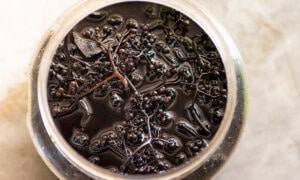
How to prepare makwen-infused fish sauce (มะแขว่นดองน้ำปลา)
A fish sauce infused with palate-numbing makwen is great for seasoning those dishes that draw their seasoning from phrik laap.
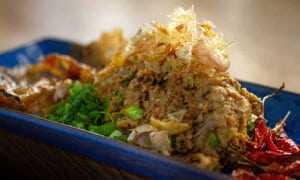
Lanna-style grilled catfish laap (ลาบปลาดุก พื้นบ้านล้านนา ; laap bplaa dook lanna)
A Tai Lue style grilled catfish laap which is somewhat more complicated than the Issan version of grilled catfish laap.
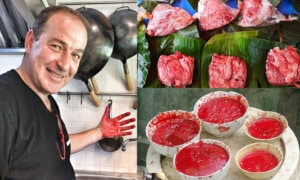
Cooking with blood - How to prepare fresh blood วิธีเตรียมเลือดสดสำหรับการทำอาหาร
While the general assumption is that cooking with blood is associated with regional and rustic cuisine, in fact, animal blood was part of the aristocracy’s diet as well
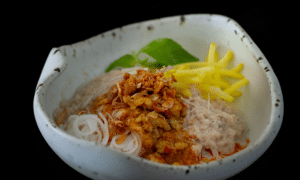
Naam Yaa Neuua – Northern Style Naam Ya according to Lady Plean Passakornrawong (น้ำยาเหนือ)
This fermented rice noodle dish is served with a slow-cooked, chili-less broth made from pounded fish meat and aromatics cooked in coconut cream. Creamy in color and velvety in texture, the broth is seasoned either with fish sauce, fermented fish or salted fish according to one’s preferences. The broth is allowed to slow-cook, achieving its full richness over a couple of hours. Once ready, the broth is poured over the noodles, which are then topped with a glossy-orangey layer of minced shrimp meat fried with their tomalley in pork lard. Complementing this richness are crunchy yellowish bean sprouts blanched in turmeric-tinted water, a sprinkle of sweet, golden crispy-fried shallots and, finally, green lemon basil leaves that endow the dish with a unique, rustic herbal persona.
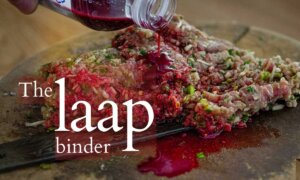
The Laap Binder
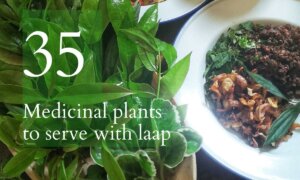
35 Medicinal plants to serve with laap, and why! – phak gap laap (ผักกับลาบ)
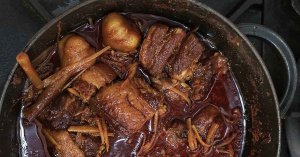
Northern Style Hang Lay Curry (gaaeng hang laeh muu ; แกงฮังเลหมู)
This recipe comes all the way from India through the northern Burmese border. The masala spice mix is still sold in small packages with retro looking prints that seem to forever exist.
There is no way in a recipe to communicate what's going on in here; a thick red chili paste marinate, that bursts in orange turmeric color, provides the perfect seen to the tender, almost falling apart, pork meat.
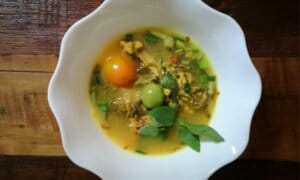
Northern Thai-style sour curry with free-range chicken, tomatoes and soap pod leaves (gaaeng sohm meuuang sai gai baan ; แกงส้มเมืองใส่ไก่บ้าน)
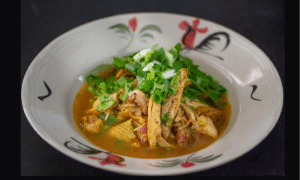
Yam Jin Gai: A Symbol of Tradition and Family Unity (ยำจิ๊นไก่; yam jin gai)
In the mountainous region of Northern Thailand, the people share a profound connection with the spirits inhabiting the land, trees and rivers. This bond extends to ancestral spirits residing within their homes, providing protection and guidance to the family. It is believed that food is not only shared among the living but also with those who preceded us, bridging the gap between the natural world and the ethereal realm of the spirits.
It is in this context that yam jin gai (ยำจิ้นไก่) holds a special significance. Once a delicacy served only on special occasions, this soup-like salad has come to symbolize the enduring bond between the people of Northern Thailand and their ancestral spirits. Families pay homage to their ancestors with offerings of food, fostering a sense of unity and connection that transcends mortality and even the present; although the dish is included on the menus of many restaurants, its roots remain grounded in the spiritual landscape of the northern forests.
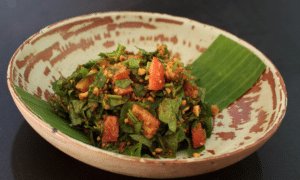
Shan-Style Asian Pennywort Salad (ผักหนอกโก้; Phak Naawk Goh)
This Shan-style salad exemplifies both technical and compositional simplicity. The salad is prepared using a vigorous hand-squeezing technique, known as go:h (โก้) in the Shan language. This blending method, which bruises the ingredients and releases their aromatic moisture, is often used to pair the sharp taste of medicinal fresh herbs – which can carry an immediate bitterness and a certain level of astringency – with earthiness and tartness.
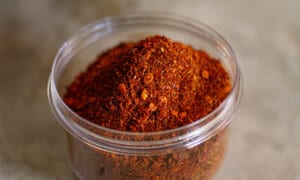
Northern laap seasoning mix (น้ำพริกลาบ ; naam phrik laap)
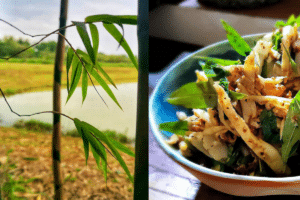
Shan-Style Salad of Bamboo Shoots with Fermented Soybean Cake Dressing (หน่อโก้; Naaw Go:H)
Naaw go:h, a Shan-style seasonal salad, is a dish commonly made by the Shan people during the rainy season, using freshly foraged ingredients. Consisting of shredded, cooked bamboo shoots and herbs with a glossy, earthy-like dressing, the salad reflects the moist soil from which the bamboo sprouts after the rains. The use of whole, elongated Vietnamese coriander leaves and sliced, angular young ginger leaves visually mirrors the structure of the bamboo plant.
The dressing for this salad is prepared by frying a paste in pork lard or cooking oil; the paste includes roasted dried bird’s eye chilis, roasted garlic, powdered soybean cake and salt and, occasionally, roasted shallots or a small piece of fresh turmeric are incorporated. This mixture bestows a harmonious blend of salty-spicy, rich, and nutty undertones upon the salad, complemented by a subtle yeasty essence.
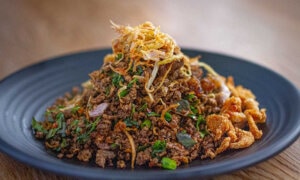
Northern Thai-style laap of chicken (ลาบไก่เมือง ; laap gai muang)
In the village environment, free-range chicken laap is made from a whole bird butchered and cooked on the spot. All the parts of the chicken are used, with nothing wasted or discarded. First, the meat is minced. Gradually, the still-warm chicken blood is added until the meat is saturated and becomes gooey and moist.
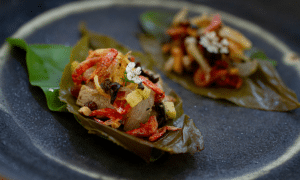
Miang Sot (เมี่ยงซด) - Miiang Soht, circa 1928
The word ‘miang’ is often used to designate Thai hors d’oeuvre-like snacks consisting of various ingredients wrapped in leaves. To chew on a miang parcel delivers a delightful melee of flavors and textures, each triumphing over the other in a continuous transformation, creating a captivating and ever-evolving taste experience throughout the bite.
Miang sot is a fermented leaves dish that appeared in a cookbook published in honor of Thao Suphatigaanapakdee (also known as Prik Sirisamphan) (ท้าวสุภัติการภักดี (ปริก ศิริสัมพันธ์)), in 1928. Titled Gap Khaao Thai (กับข้าวไทย), the book features a collection of recipes that were once prepared and served to King Chulalongkorn Rama V. The author, Sohmboon Sirisamphan (เถ้าแก่ สมบุญ ศิริสัมพันธ์) a respected elder (known as thao gaae (เถ้าแก่) in Thai), was a distinguished businessman of Chinese origins.
The dish is composed of fermented tea leaves; it is perhaps the closest tea leaves wrap to the ‘miang’ style introduced to the Siamese court by Princess Dara Rasami in the late 1800s. The dish gives us a glimpse of flavor of what her household, which participated in the informal marketplace events within the palace, might have to offer.
The popularity of miang in Siamese cuisine is tied to the history of two kingdoms, Siam and Lanna, and the life of one princess, Princess Dara Rasami. The daughter of King Inthawichayanon of Chiang Mai and the fifth consort of King Chulalongkorn, the princess was selected at the age of thirteen, in 1886, to serve as a consort to King Chulalongkorn in the Inner Palace; the decision was shaped by both political strategy and personal transition. At the time, Siam was consolidating its power and extending its influence over neighboring regions, including Lanna. As the ruler of Chiang Mai, Princess Dara Rasami’s father, Intawichayanon, viewed the move as a strategic alliance. In return, King Chulalongkorn presented him with the medal of the Order of Chula Chom Klao, which is the Siamese equivalent of a knighthood.
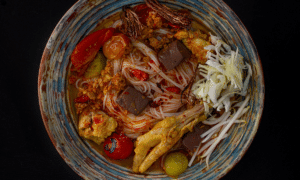
Khanohm Jeen Naam Ngiaao - Shan-Style Tomato Broth over Fermented Rice Noodles with Pork, Chicken Feet and Chicken Blood Cakes (ขนมจีนน้ำเงี้ยว)
A popular noodle dish originating from the Northern region of the Kingdom, khanohm jeen naam ngiaao (ขนมจีนน้ำเงี้ยว) is characterized by its light – yet profound – multi-layered broth. This hearty broth includes an assortment of proteins braised with the dried pollens of cotton tree flowers, and Northern Thai sour cherry tomatoes (มะเขือส้ม); the tomatoes infuse the broth with a subtle tartness that refreshes a full-bodied profile comprising a multitude of fermented ingredients.
The naam ngiaao broth is served over fermented rice noodles and features minced pork, and braised baby back pork ribs with their tender meat clinging to the bone. As well, there are succulent, slow-cooked whole chicken feet, and cubes of slightly bouncy, mauve-hued chicken blood cakes. Served alongside the soup are various toppings, which can include shredded cabbage, bean sprouts, chopped coriander leaves, and spring onions, while dark red chili oil and glossy, charred-fried dried bird’s eye chilies offer a fiery intensity dialed up to your preferred spiciness. In addition, I like to add wok-smoked sour cherry tomatoes and broom-like, crispy-fried dried cotton tree pollen for a surprising textural contrast.
Though the dish is often described as “Shan style”, the word ‘ngiao’ was a derogatory expression for the Shan people. As the disparaging – and outdated – label suggests, the recipe might reflect societal biases and prejudices; thus, at least from the culinary perspective, the ‘ngiao’ in the name of the dish may simply be a nod to the flavors or ingredients favored by The Shan, rather than a claim of authenticity – which could also explain why the dish is based on a Siamese curry paste.
Laap with Cow or Pig Blood, Another Method (ลาบเลือดโคหรือสุกร อีกวิธี ๑; laap leuuat kho:h reuu soo gaawn eek wi thee neung)
Laap leuuat, cow or pig blood Laap with dry-roasted chili paste and reduced pla ra, served raw or cooked. Tamra Khraawp Lo:hk, 1929.
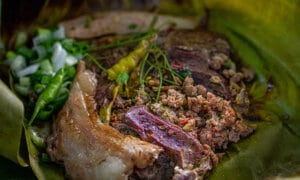
Saa Bpia - Akha-style grilled pork laap in banana leaves (ส่าเปี๊ยะ ลาบอย่างชาวอาข่า)
Saa Bpia -Akha-style grilled pork laap in banana leaves (ส่าเปี๊ยะ ลาบอย่างชาวอาข่า)
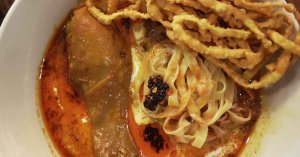
Khao Soi Recipe, Northern Style Curried Noodle Soup with Chicken
(khaao saawy gai ; สูตรทำข้าวซอยไก่) This dish (Khao Soi Recipe) takes us back in time to the mid-19th century. The trade caravans were trailing the jungles of northern Thailand along the ancient routes between India and China. Those long caravans were carrying wealth of exotic goods, leaving rich aroma of spices and the sweet scent of opium as they passed. The men on this long line of between fifty and one hundred mules would be Yunnanese Muslim Chinese, who dominated the trade routes and began to settle in Chiang Mai and the main towns of north Thailand at that time.
(khaao saawy gai ; สูตรทำข้าวซอยไก่) This dish (Khao Soi Recipe) takes us back in time to the mid-19th century. The trade caravans were trailing the jungles of northern Thailand along the ancient routes between India and China. Those long caravans were carrying wealth of exotic goods, leaving rich aroma of spices and the sweet scent of opium as they passed. The men on this long line of between fifty and one hundred mules would be Yunnanese Muslim Chinese, who dominated the trade routes and began to settle in Chiang Mai and the main towns of north Thailand at that time.
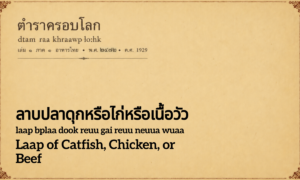
Laap of Catfish, Chicken, or Beef (ลาบปลาดุกหรือไก่หรือเนื้อวัว; laap bplaa dook reuu gai reuu neuua wuaa)
Laap bplaa dook, minced catfish, chicken, or beef with fire-roasted aromatics, hot pla ra, and toasted rice powder. Tamra Khraawp Lo:hk, 1929.
1
2

Get Access – Join Thaifoodmaster Today
Practical and kitchen-tested recipes with a mix of theory, history, psychology, and Siamese culture tidbits.
-
Get access to everything right away. Unlock more than 50 Masterclasses, over 700 recipes and Articles
Access to Thaifoodmaster’s constantly growing library of prime professional classes, articles, recipes and videos on Siamese culinary topics, available nowhere else in English.
-
GET EXTRA - New Masterclasses and Daily Recipes
Gain access to NEW masterclasses as they become available. Access DAILY translations of heritage-recipes.
-
1-1 support from Hanuman
1-1 support from Hanuman to help you achieve your professional Thai culinary goals
-
Live Q&A Sessions
The opportunity to join a monthly live two-hour videoconference where I can answer your questions.
-
Great Value!
one year access for the price of 3 days in-person training.
You will get everything you need to:
-
To Get inspired
When you design or build a new menu for an event or restaurant or even prepare for dinner with friends.
-
To Satisfy your curiosity.
Finally !
-
To Master Your Craft
Master your Thai cooking skills and expand your repertoire.
It is truly brilliant with a revolutionary approach introducing aspects and concepts never broached by cookbooks.

Ian Westcott
Sourcing Wines for Discerning Private Clients
© 2008 – 2026 Thaifoodmaster


