
Celebrating the Art of Siamese Culinary Wisdom and Thai Cuisine

แกงเผ็ดปลาไหลทรงเครื่อง
ตำรับปลาไหลนี้ ปัจจุบันมักจะคิดว่าเป็นแต่สำรับของชาวบ้าน หรือเป็นแค่อาหารลูกทุ่งเท่านั้น ความจริงแล้ว อาหารตำรับปลาไหลเป็นอาหารทั่วไปของคนทุกชนชั้น ทั้งไพร่สามัญชน ผู้ดีชาวกรุง หรือเจ้านายในรั้วในวัง ต่างมีตำรับแกงปลาไหลขึ้นสำรับทั้งนั้น ที่มีเขียนบันทึกไว้ก็มีหลายตำรับเลยทีเดียว เช่น ตำรับของหม่อมส้มจีน ตั้งแต่ ร.ศ. 109 มี "ต้มเปรตปลาไหล". ตำรับแม่ครัวหัวป่าก์ ของท่านผู้หญิงเปลี่ยน ภาสกรวงษ์ ตำรับวังมหานาค โดย ม.จ.หญิงวิมลปัทมราช จิรประวัติ ก็มี "แกงปลาไหล" ตำรับที่พิมพ์จำหน่ายในช่วง"รัฐนิยม"สมัยจอมพล ป. พิบุลสงคราม พิมพ์เมื่อ พ.ศ.2485 ก็มี "แกงเผ็ด ปลาไหลซงเครื่อง" หรือแม้แต่ที่เข้ากับสำนวนเกลียดปลาไหลกินน้ำแกงตรงเผง ไม่ชอบปลาไหล แต่อยากกินแกงปลาไหล ชาววังในสำนักพระวิมาดาเธอฯ นิยมใช้ปลาดุกมาแกงแทนปลาไหล ตามที่ม.ล.เนื่อง นิลรัตน์ ข้าหลวงในสมเด็จพระเจ้าบรมวงศ์เธอเจ้าฟ้านิภานภดล วิมลประภาวดีกรมขุนอู่ทองเขตขัตติยนารี บันทึกไว้ถึง "แกงปลาดุกอย่างปลาไหล" เอาใว้ด้วย
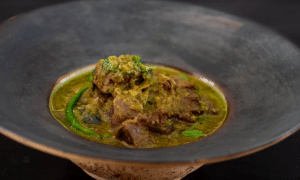
Perfumed Muslim-style Curry of Fresh Chilies with Beef (แกงเขียวหวานเนื้อทรงเครื่อง; Gaaeng Khiaao Waan Neuua Sohng Khreuuang)
The Indian and Muslim cuisines present distinct approaches to using dried spices in curries, both of which influence Siamese cuisine in different ways. Indian-inspired Siamese curries spotlight chilies for their vibrant color, fragrance, flavor and heat, while spices like cumin and coriander play a supporting role. The spices complement and temper the chilies’ intensity, creating a rounded, multi-layered flavor profile; nonetheless, the chilies remain the star ingredient, gently complemented by the spices.
Conversely, Muslim-influenced curries, such as massaman curry, prioritize spices over chilies. Spices like cardamom, nutmeg and mace take center stage, while the chilies provide subtle background heat rather than being the primary flavor. In these curries, the focus is on the rich, warm and complex aromas created by the blend of spices, which is a defining characteristic of many Muslim dishes.
Moreover, Siamese cuisine favors using rehydrated dried chilies in curries for their depth; this depth is highly appreciated, along with the complexity, and comparatively milder heat of the rehydrated dried chilies. As well, the harsh grassy notes of fresh chilies are not favored; they’re referred to in Thai as “green rank” or “men khiaao (เหม็นเขียว)”. Muslim curries often use fresh green chilies, tempering their vibrant, grassy taste with dry spices and thus shifting the flavor from bright and fresh to more subdued and earthy tones, resulting in a dish that is perceived to be layered, despite the burst of fresh chilies.
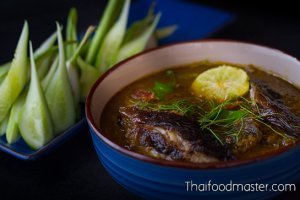
แกงไตปลาปลาดุกย่างโบราณ
แกงไตปลาปลาดุกย่างโบราณ - แกงไตปลา เป็นแกงพื้นเมืองของปักษ์ใต้ ที่มีความหลากหลายพอสมควร คือมีทั้งแกงประเภทใส่กะทิและไม่ใส่กะทิ แต่ที่เหมือนกันทุกท้องถิ่นคือ เครื่องพริกแกงต้องเผ็ด ใส่ทั้งพริกสดและพริกแห้ง และเป็นแกงรสจัด ม.ล.เนื่อง นิลรัตน์ ได้เล่าเอาไว้ว่า "เจ้านครส่งคนครัวมาสอน เดิมจะมีรสชาติเผ็ดมาก เปรี้ยวหูฉี่ พอมาถึงในวัง ก็ต้องแผลงให้เข้ากับภาคกลาง โดยนำมาดัดแปลงใส่ปลากรอบ ปลาย่าง ผักไม่ใส่รวมลงไป เวลาจะรับประทานก็รับกับผักสดที่จัดไว้ มีสะตอ ลูกเนียง...
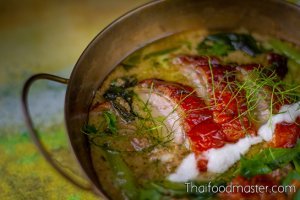
แกงเขียวหวานเป็ดย่าง
ตำรับแกงแบบไทยแท้ ๆ นั้น ไม่ใช่แกงเข้ากะทิดอกขอรับ ถ้าจะนับความเป็นไทยแท้ ๆ แบบที่เรียกว่า ไทยแท้ (Authentic) นั้นเห็นจะหายากเสียแล้ว คงต้องกลับไปรับประทานพวกต้มปลาร้า หรือแกงเลียง แกงต้มส้ม ไปโน่นล่ะขอรับ ด้วยพริกที่เราเคยชินกินแล้วเผ็ดร้อนกันในปัจจุบันนี้ หาใช่ของพื้นเมืองไทยแท้มาแต่เดิมไม่ พวกฝรั่งเพิ่งนำเข้ามาในสมัยอยุธยานี่เอง ส่วนแกงแบบเข้ากะทิ เราก็รับมาจากแขกมลายูหรือแขกเปอร์เซีย ในสมัยอยุธยาเช่นกันแล้วค่อยมาพลิกแพลงดัดแปลงให้เป็นแกงแบบไทย ๆ
ดังนั้น คนสมัยก่อนถึงได้เรียกพริกสีแดง ๆ เขียว ๆ นี่ว่า พริกเทศ ส่วนเครื่องปรุงที่ให้รสเผ็ดร้อนมาแต่เดิมนั้น เรามักเรียกใช้ พริกไทย ตะไคร้ ขิง ข่า กระชาย เสียมากกว่า จึงเห็นได้ว่าแกงเลียง แกงต้มส้ม แกงต้มปลาร้า ถึงไม่มีพริกเทศเป็นเครื่องปรุงหลัก ภายหลังต่อมาคนไทยจึงมีวัฒนธรรมอาหารพวกต้มแกงดัดแปลงให้ถูกปากถูกลิ้น ใส่พริกเทศ ใส่กะทิ เข้าสมุนไพร พัฒนามาเป็นแกงส้ม ต้มยำ ต้มโคล้ง ต้มข่า แกงเผ็ด แกงคั่ว แกงฉู่ฉี่ แกงพะแนง แกงมัสมั่น ฯลฯ กันสืบมา ซึ่งก็ว่าเป็นแกงออกสีพริกแดงกันเป็นส่วนใหญ่ หากก็มีคนถามว่า แล้วแกงเขียวหวานล่ะ มีมาแต่เมื่อใดกันเล่า เรื่องนี้เห็นทีจะสืบค้นสืบเค้ายากหน่อย เพราะไม่มีบันทึกเป็นลายลักษณ์อักษรแน่ชัด ได้แต่สันนิษฐานและอนุมานเอา
Gaaeng Mong (Chonburi-Style Curry) (แกงโมง (แกงชาวชลบุรี); gaaeng mo:hng (gaaeng chaao chohn boo ree))
Gaaeng Mong, a Chonburi regional curry with fermented shrimp paste, grilled catfish, and young watermelon. From Mrs. Paan Nanthaaphiwat, 1953.
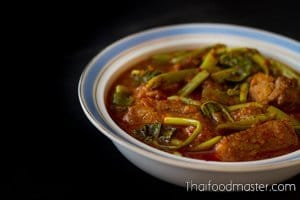
แกงหมูเทโพใส่ผักบุ้ง
"แกงหมูเทโพ" จึงจัดเป็นแกงที่ใส่กะทิก็ได้ หรือไม่ใส่ก็ได้ และเป็นแกงที่เน้นพริกแกงแบบแกงคั่ว (ไม่ใส่เครื่องเทศ แต่เพิ่มเนื้อปลากรอบลงในเครื่องน้ำพริก เพื่อให้น้ำแกงข้น) ตำรับที่นำเสนอวันนี้ จะเป็นตำรับของท่านผู้หญิงเปลี่ยน เป็นแบบไม่ใส่กะทิ แกงกับผักบุ้ง เพื่อให้แปลกไปจากที่ท่านคุ้นเคยเล็กน้อย และเพื่อสำหรับผู้ที่ต้องการจำกัดไขมันในอาหาร ขอนำตำรับมาบันทึกไว้เพื่อให้ท่านได้ศึกษาเปรียบเทียบและได้สังเกตแนวทางการปรุงพริกแกงและขั้นตอนวิธีแกงแบบดั้งเดิม
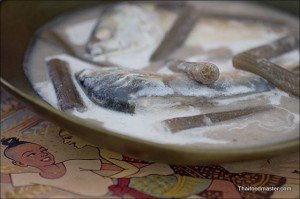
แกงกะทิสายบัวปลาทูนึ่ง
This old-fashioned Thai coconut curry dish is a simple expression made with ingredients commonly available to Thais, it features steamed mackerels - the fish that Thai people probably love the best and the stems of the lotus flowers - one of Buddhism's most recognized motifs.
The fish together with peeled lotus stems are boiled in coconut milk, to which a simple yet very aromatic curry paste, made only of white pepper corns, shallots and fermented shrimp paste is added.
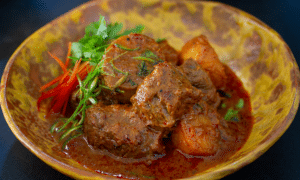
Perfumed Braised Beef and Potato Curry with Three Gingers, Thai Basil and Bitter Orange (แกงเนื้อใส่เปราะหอมสดและส้มซ่า; Gaaeng Neuua Sai Bpraw Haawm Soht Lae Sohm Saa)
Discovered in a memorial book for the funeral of SubLt. Soophoht Jeungpraphaa (ร.ต. สุพจน์ จึงประภา) (1925-1966), this beef and potato curry dish unites two distinct curry styles: Massaman curry, known for its sweet and warming complexity of dry spices, punctuated by the vibrancy of bitter orange juice; and gaaeng phet (แกงเผ็ด) spicy curry, dominated by a basil herbal identity. The recipe maintains a sense of traditional elegance despite the startlingly unusual culinary fusion; as these two cooking styles are woven together, their spiced comfort, earthy warmth, citrusy freshness, and cool herbaceous notes meld in a gentle refinement. Drawing upon familiar and novel elements, this curry is both comforting and stimulating.
Massaman curry typically presents as a deep, rich dish. Its unique flavor profile is derived predominantly from a range of dry spices that point to its Persian-inspired roots in Siamese cuisine, along with a curry paste that exudes a sense of freshness. The dried chilis are roasted to deepen their color; the rest of the ingredients, such as the shallots, garlic and dry spices, are roasted too, individually, before being pounded into the paste. Conversely, the gaaeng phet (แกงเผ็ด) curry integrates dry spices more sparingly and is known for flavor qualities that are based on a phrik khing (พริกขิง) paste made of fresh aromatics and a basil herbal identity.
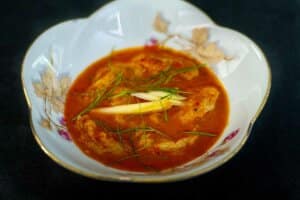
c1933 An Auspicious fish ball curry with two basils (แกงเผ็ดปลาเล็กปลาน้อย; gaaeng phet bplaa lek bplaa naawy)
Typically, in Central-style curries, different types of basil are not used together. In higher cuisine, it is an unstated – but understood – practice to avoid blending the definitive scents of various basils. A curry’s final herbal identity is intended to remain definitively with its basil: the citrus notes of holy basil; the spicy-woody and pungent flavor of tree basil; the tart fragrance of lemon basil; or the cooling anise sensation of Thai basil.
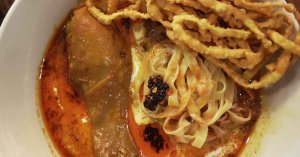
ข้าวซอยไก่
This dish (Khao Soi Recipe) takes us back in time to the mid-19th century. The trade caravans were trailing the jungles of northern Thailand along the ancient routes between India and China. Those long caravans were carrying wealth of exotic goods, leaving rich aroma of spices and the sweet scent of opium as they passed.
The men on this long line of between fifty and one hundred mules would be Yunnanese Muslim Chinese, who dominated the trade routes and began to settle in Chiang Mai and the main towns of north Thailand at that time.
Chili Choices in Curry - Crafting Flavor, Heat, and Aroma
The type of chilies – fresh, dried or rehydrated – and how they are processed into the curry paste have a significant influence on the dish’s flavor, color, aroma and heat profile. Fresh chilies inject an immediate, sharp spike of heat that rushes in with a piercing, punctuating intensity, a grassy aroma and fruity liveliness. Dried chilies, on the other hand, impart a subtle warmth alongside rich, earthy notes that gradually build up into a steady, lingering burn. The choice of the chili variety will also shape the curry’s flavor. Through an informed selection and processing of chilies, cooks can navigate between mild and spicy, fruity and earthy, and bright and mellow flavors, creating a complex and nuanced heart for their curries.
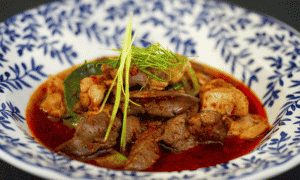
c1933 Water-based spicy curry of fatty chicken and seven spices (แกงเผ็ดไก่น้ำมัน พ.ศ. 2476; gaaeng phet gai naam man)
This water-based, spicy chicken curry is made with corn-yellow rendered chicken fat instead of coconut cream. Dark reddish-brown in color, this full-bodied and fatty beak-to-tail curry presents the chicken identity and personality in both a corporeal and tasty manner. Spices such as cardamom, nutmeg, mace and clove are added into the curry paste to temper the gamey-irony flavor of the offal and deodorize the meat, resulting in a luscious dish that is beautifully layered with textures and flavors.
Thai Curries: The Professional Chef's Guide - แกงไทย
The Art of Siamese Duck Curries - Theory and Practice (แกงเป็ด - ศิลปะ ทฤษฎี และ การปฏิบัติ)
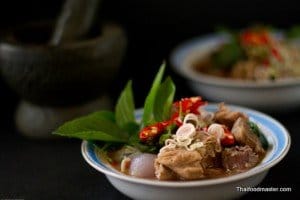
แกงรัญจวน
แกงโบราณชนิดนี้ เริ่มกลับมาเป็นที่นิยมอีกครั้งหนึ่ง หลังจากพอมีร้านอาหารไทยบางร้านนำตำรับนี้ไปบรรจุเป็นหนึ่งในเมนู และจากหนังสืออัตตชีวประวัติของ ม.ล. เนื่อง นิลรัตน์ ผู้เขียนเรื่องราวชีวิตในสำนักพระวิมาดาเธอ กรมพระสุทธาสินีนาฏ ปิยมหาราช ปดิวรัดดา แหล่งขึ้นชื่อเรื่องฝีมือปรุงอาหารในช่วง รัชกาลที่ ๕ ถึงสมัยรัชกาลที่ ๗ และอีกหนึ่งสาเหตุก็มาจากบทละครย้อนยุคยอดนิยม เมื่อไม่นานมานี้ เกี่ยวกับเรื่องคุณชายแห่งราชตระกูลหนึ่ง ๕ คน ที่มีเรื่องราวความรักโรแมนติกในการหาคู่ครอง มีการพิสูจน์คุณสมบัติ ของตัวเอกฝ่ายหญิงที่เหมาะสมจะมาเป็นคู่ครองของคุณชายทั้ง ๕ ซึ่งแบ่งเป็นตอน ๆ ละคน รวม ๕ ตอน และมีตอนหนึ่งกล่าวถึงเรื่องราวที่ทำการพิสูจน์ความสามารถของนางเอกด้วยการทำ “แกงรัญจวน” ซึ่งเป็นอาหารเริ่มต้นจากในวังสวนสุนันทา มาเป็นเนื้อหาของบทละคร บรรดาแฟนละครเลยตามหาสูตรกันใหญ่ ที่พึ่งของแหล่งข้อมูล ก็ดูจะหนีไม่พ้นในกูเกิ้ล ในบางเว็ปไซด์ในอินเตอร์เน็ต
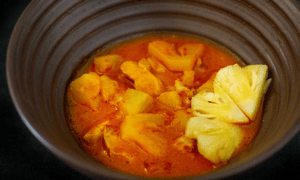
c1933 Manifold flavors curry – a chicken and pineapple spicy curry (แกงเผ็ดหลากหลายรส; gaaeng phet laak laai roht)
At first glance, this chicken and pineapple curry might seem ordinary or plain. After all, even though spicy curries with sour notes have been relished for ages, they feature repetitive patterns that could be viewed as common and perhaps uninteresting. However, with a calculated yet simple approach, this curry turns corners – quite literally – into a dish with a new flavor melody. It is thus referred to by its author, Mrs. Samaknantapol (Jeep Bunnag) (นางสมรรคนันทพล, จีบ บุนนาค), as laak laai roht, a “curry with manifold flavors (หลากหลายรส)”.
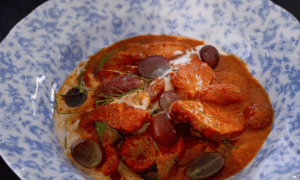
c1941 Roasted Duck Curry with Grapes (Gaaeng Ho) (แกงเป็ดเหาะใส่องุ่น อย่างคุณถนอม ปาลบุตร พ.ศ. 2484; gaaeng bpet haw sai angoon)
Grapes have long been associated with prosperity, fertility and abundance across various cultures and historical periods due to the fruit’s large clusters and bountiful growth. In ancient China, grapes were considered a symbol of wealth and nobility, and often deployed as a status symbol among the elite. In Greek mythology, Dionysus, the god of wine and fertility, was often depicted holding a bunch of grapes, further emphasizing the connection between grapes and abundance. This association is also likely rooted in the fact that grapes were a valuable crop in antiquity – used to produce wine and other fermented products, and an important source of food and nutrition. In Indian Ayurvedic texts, grapes are referred to as vineaksha and utilized in treating a variety of ailments, including fever and indigestion.
From the Siamese perspective, the incorporation of fruits in culinary preparations was viewed as a luxurious indulgence, as many fruits commonly available today were once difficult to obtain. Thus the pairing of an extravagant ingredient – such as fruit – with an equally opulent and exclusive delicacy like roasted duck resulted in a dish fit for royalty.
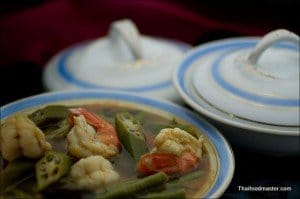
สูตรทำแกงส้มมอญกระเจี๊ยบกุ้ง
Gaeng som recipe: Sour curries are without doubt one of Thai cuisine all-time favorites, free from foreign influence and with many regional variations they present a complex balance of four flavors while using only few ingredients, all find a pleasing harmony in one dish.
There are the sourness of the tamarind paste, the saltiness of the fermented shrimp paste and fish sauce, the natural sweetness of the prawns and the vegetables and of course the peppery heat from the chilies. This easy curry paste is as rich as it is simple; the flavor offers a world of depth in a truly innovative combination of flavors.
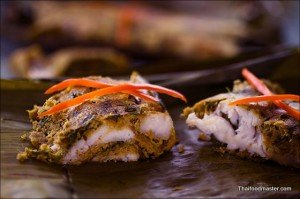
งบปลาช่อน
I love this straightforward grilled Thai fish curry in banana leaves because it packs a punch with its aromatic curry mixture that embrace the white and tender fish meat with great flavors. It is a great addition for any Thai meal and very easy to prepare.
Snakehead fish, traditionally caught from irrigation ditches or flooded rice fields, benefits from the aromatic curry paste because it helps to eliminate unpleasant odors which wild caught fishes might acquire from their muddy habitat. Nowadays though, it is commercially farmed and one can safely cook it in various ways with no risk of those undesirable odors.
Curry Paste Permeability
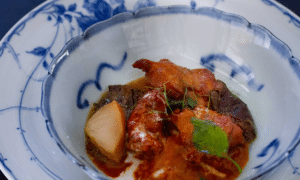
Duck Curry with Prunes and Apples (แกงเป็ดกับพรูนและแอปเปิ้ล อย่าง ม.ล. เติบ ชุมสาย; gaaeng bpet gap phruun lae aaep bpeern)
When it comes to pairing fruits with meats in savory dishes, it’s hard to match the bold tangy-luscious combination of apples and prunes in this old-fashioned coconut-based spicy curry with braised duck. The dish is seasoned to a spicy, salty, and sour-sweet flavor profile, which is further intensified by the prunes’ subtle nectareous, savory-sweetness and the apples’ fruity, sweet-tartness. This curry is a perfect example of how fruits can complement the already complex and profound aromatic relationships between meaty-savory flavors, the curry paste’s aromatic identity, and the dish’s herbal character of Thai basil and fresh peppercorns – creating a most memorable flavor impression.
1
2
3


Get Access – Join Thaifoodmaster Today
Practical and kitchen-tested recipes with a mix of theory, history, psychology, and Siamese culture tidbits.
-
Get access to everything right away. Unlock more than 50 Masterclasses, over 700 recipes and Articles
Access to Thaifoodmaster’s constantly growing library of prime professional classes, articles, recipes and videos on Siamese culinary topics, available nowhere else in English.
-
GET EXTRA - New Masterclasses and Daily Recipes
Gain access to NEW masterclasses as they become available. Access DAILY translations of heritage-recipes.
-
1-1 support from Hanuman
1-1 support from Hanuman to help you achieve your professional Thai culinary goals
-
Live Q&A Sessions
The opportunity to join a monthly live two-hour videoconference where I can answer your questions.
-
Great Value!
one year access for the price of 3 days in-person training.
You will get everything you need to:
-
To Get inspired
When you design or build a new menu for an event or restaurant or even prepare for dinner with friends.
-
To Satisfy your curiosity.
Finally !
-
To Master Your Craft
Master your Thai cooking skills and expand your repertoire.
It is truly brilliant with a revolutionary approach introducing aspects and concepts never broached by cookbooks.

Ian Westcott
Sourcing Wines for Discerning Private Clients
© 2008 – 2026 Thaifoodmaster


