
Celebrating the Art of Siamese Culinary Wisdom and Thai Cuisine
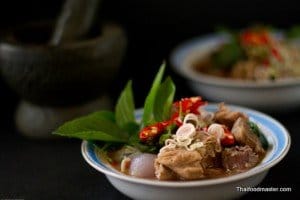
แกงรัญจวน
แกงโบราณชนิดนี้ เริ่มกลับมาเป็นที่นิยมอีกครั้งหนึ่ง หลังจากพอมีร้านอาหารไทยบางร้านนำตำรับนี้ไปบรรจุเป็นหนึ่งในเมนู และจากหนังสืออัตตชีวประวัติของ ม.ล. เนื่อง นิลรัตน์ ผู้เขียนเรื่องราวชีวิตในสำนักพระวิมาดาเธอ กรมพระสุทธาสินีนาฏ ปิยมหาราช ปดิวรัดดา แหล่งขึ้นชื่อเรื่องฝีมือปรุงอาหารในช่วง รัชกาลที่ ๕ ถึงสมัยรัชกาลที่ ๗ และอีกหนึ่งสาเหตุก็มาจากบทละครย้อนยุคยอดนิยม เมื่อไม่นานมานี้ เกี่ยวกับเรื่องคุณชายแห่งราชตระกูลหนึ่ง ๕ คน ที่มีเรื่องราวความรักโรแมนติกในการหาคู่ครอง มีการพิสูจน์คุณสมบัติ ของตัวเอกฝ่ายหญิงที่เหมาะสมจะมาเป็นคู่ครองของคุณชายทั้ง ๕ ซึ่งแบ่งเป็นตอน ๆ ละคน รวม ๕ ตอน และมีตอนหนึ่งกล่าวถึงเรื่องราวที่ทำการพิสูจน์ความสามารถของนางเอกด้วยการทำ “แกงรัญจวน” ซึ่งเป็นอาหารเริ่มต้นจากในวังสวนสุนันทา มาเป็นเนื้อหาของบทละคร บรรดาแฟนละครเลยตามหาสูตรกันใหญ่ ที่พึ่งของแหล่งข้อมูล ก็ดูจะหนีไม่พ้นในกูเกิ้ล ในบางเว็ปไซด์ในอินเตอร์เน็ต
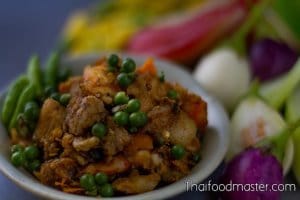
น้ำพริก พริกไทยสด
ตำรับน้ำพริก พริกไทยสด คราวนี้ พบว่าเป็นของ หม่อมหลวงคลอง ไชยันต์ (สกุลเดิม สนิทวงศ์) ชายาใน ม.จ.ถาวรมงคลวงษ์ ไชยันต์ พระเชษฐาของ ม.จ.ประสงค์สม บริพัตร ซึ่งเป็น พระชายาในสมเด็จพระเจ้าบรมวงศ์เธอ เจ้าฟ้าบริพัตรสุขุมพันธุ์ กรมพระนครสวรรค์วรพินิต แห่งวังบางขุนพรหม และ ม.ล.คลอง ไชยันต์ นี้ ท่านก็ได้ถวายตัวเข้ารับราชการฝ่ายใน ปฏิบัติหน้าที่เป็นนางสนองพระโอษฐ์ ในสมเด็จพระนางเจ้ารำไพพรรณี พระบรมราชินี ในรัชกาลที่ ๗ ด้วย จึงไม่แปลกที่ตำรับ น้ำพริก พริกไทยสด นี้ จะได้มีการบันทึกเอาไว้เป็นตำรับหนึ่งในหนังสือ "อาหารของโปรด ของหม่อมเจ้าจงจิตรถนอม ดิศกุล" ทึ่ทรงเคยเป็นข้าหลวงในสมเด็จพระปิจตุฉาเจ้า สุขุมาลมารศรี แห่งวังบางขุนพรหม พระราชมารดาของทูลกระหม่อม เสด็จในกรมฯ
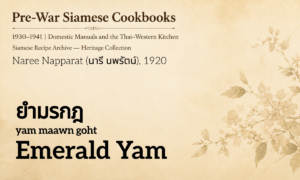
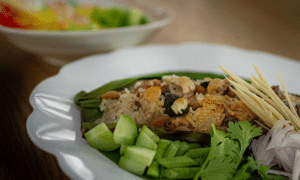
Emerald Yam (ยำมรกฎ; yam maawn goht)
Emerald Yam (ยำมรกฎ; yam maawn goht) - A historical Thai recipe from Dtam Raa Gap Khao Naree Napparat (ตำรากับเข้านารีนพรัตน์).
Grilled banana leaf parcels filled with butter-fried rice with chicken, chicken offal and dried spices, served with a sour-sweet coconut-base vegetable relish (ข้าวงบไก่ อาจาดอังวะ ; khaao ngohp gai aajaat angwa)
The khaao ngohp gai (ข้าวงบไก่) recipe by Mom Chao Sai Ladawan (Princess Saisawali Phirom) evokes the flavor and aesthetics of Muslim-style cooking. First, cooked rice, chicken, and chicken offal are fried with butter and perfumed with whole spices. The buttery fried rice is wrapped in banana leaves and then grilled, forming a crispy outer crust of spiced-infused rice grains.
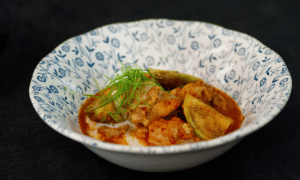
Chiang Mai-Style Chicken Gaaeng Garee (แกงเผ็ดกะหรี่เชียงใหม่ ; gaaeng phet garee chiang mai)
I discovered this unusual curry recipe hidden in a 1970 memorial book for Ms. Bootree Gralaksa. Born in Bangkok in 1898, Ms. Bootree spent her entire life, from childhood on, in a wooden house on Maha Chak Road (Pra Nakorn). One could say that she was born to be a great cook; just fourteen years old when her mother died, Ms. Bootree became the sole caregiver for her four siblings, a duty that she performed with a love and attention that endowed her with remarkable cooking skills. Her memorial book showcases now-forgotten dishes that were popular in the Bangkok of the early 1900s, such as Beautiful Curry (แกงหงษา ; Gaaeng Hohng Saa), and also includes some of her one-of-a-kind culinary creations – such as this dish, which she dubbed “Chiang Mai-Style Spicy Curry”.
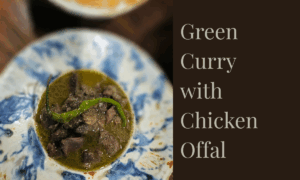
Yogurt-Based Ancient Green Curry with Chicken Offal (แกงเขียว; gaaeng khiaao)
Mrs. Yim Pichaiyat Bunnag (คุณยิ้ม พิชัยญาติ บุนนาค)'s 1920s aristocratic green curry reveals a forgotten chapter in Thai culinary history. This Muslim-style recipe uses ghee and yogurt instead of coconut milk, featuring chicken offal—liver, gizzard, and heart—each contributing distinct textures and concentrated flavors. Roasted spices like cinnamon, clove, and cardamom create warming aromatics, while fresh chilies provide signature heat. The dish documents how Bangkok's noble kitchens adapted Islamic cooking techniques before democratization, preserving methods that would shape modern Thai cuisine.
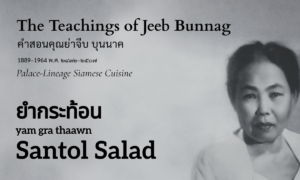
Santol Salad (ยำกระท้อน; yam gra thaawn)
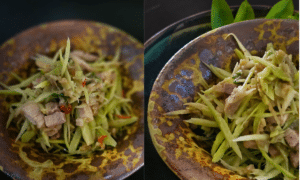
Yam gra thaawn, tart santol salad with pork, shrimp, and crushed peanuts. Fruit is salt-soaked and air-dried to reduce bitterness. Jeeb Bunnag, 1933.
Pork Belly Coated with Salted-Fish and Green Mango Chili Relish (น้ำพริกมะม่วง หมูเคลือบเค็ม พ.ศ. 2476; naam phrik ma muaang mu khleuuap khem)
In this dish, slices of pork belly are coated with a sticky sauce; the sauce is reduced from braising a slice of grilled salted fish with coriander roots, garlic and white peppercorns (saam gluuhr). The dish is served with a sour-leading green mango chili relish that adds tartness with fiery accents to the saltiness of the pork. The salted fish gives the pork an initial fishy aroma that, although robust, gives way to a sense of home as it merges into the sourness and fruitiness of the mango chili relish. As an ingredient commonly used in the kitchens of rice-growing communities, salted fish signifies a comforting familiarity that conveys simplicity and warmth to the table. I like to pair the salted, fishy pork with seasoned rice dishes in which sour-leading relishes are mixed with rice along with other condiments.
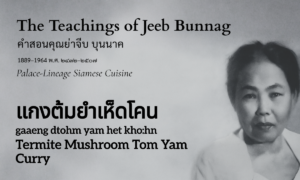
Termite Mushroom Tom Yam Curry (แกงต้มยำเห็ดโคน; gaaeng dtohm yam het kho:hn)
Gaaeng dtohm yam het khohn — termite mushrooms in reduced, strained stock with shredded chicken and crispy fried garlic. Jeeb Bunnag, 1933.
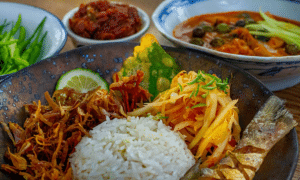
Khaao man sohm dtam and the first-ever recorded recipe for papaya salad (ข้าวมันส้มตำ)
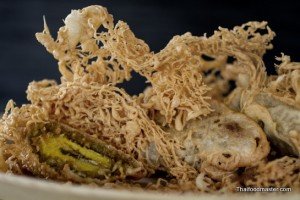
ข้าวเม่าทอด
เมนูนี้จะมีคำอธิบายและวิธีทำเป็นขั้นตอนละเอียดเป็นภาษาไทยและภาษาอังกฤษ
Deceptively simple, the recipe for battered, deep-fried unripe rice and grated coconut banana rolls (khao mao thaawt, ข้าวเม่าทอด) is actually quite challenging to master. Like so many Thai dessert recipes, this seemingly straightforward dish has a complex character.
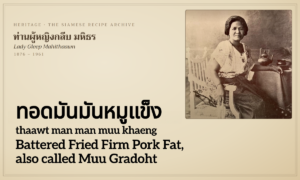
Battered Fried Firm Pork Fat, also called Muu Gradoht (ทอดมันมันหมูแข็ง; thaawt man man muu khaeng)
Muu gradoht — firm pork fat boiled, sliced, and fried in a rice-flour coconut batter tinted with red limestone solution. Lady Gleep Mahithaawn, 1949.
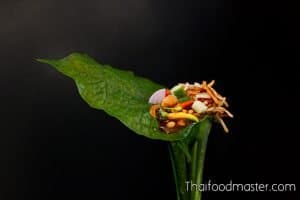
เมี่ยงคำ
ค้นข้อมูลดูว่าตำรับ "เมี่ยงคำ" เริ่มปรากฏมีบันทึกไว้เป็นลายลักษณ์อักษรแต่เมื่อใดกันแน่ สอบทานดูตำราอาหารเก่า ๆ หลายตำรับ ที่ตีพิมพ์ในสมัยรัชกาลที่ ๕ ก็ไม่พบ "เมี่ยงคำ" ในวิถีอาหารไทยโบราณแต่อย่างใด พบแต่ เมี่ยงลาว หรือ เมี่ยงพายัพ ซึ่งหมายถึงเมี่ยงที่มาจากทางเหนือ จากการอ่านหนังสือหลาย ๆ เล่ม เพื่อหาข้อมูลพบว่า "เมี่ยง" ได้เริ่มเป็นที่นิยมแพร่หลายในรั้วในวัง ก็หลังจากที่พระราชชายาเจ้าดารารัศมี ลงมารับราชการในราชสำนักที่กรุงเทพฯ และได้นำวัฒนธรรมการกินเมี่ยง ซึ่งเป็นหนึ่งในวิถีการดำรงชีวิตแบบล้านนาติดมาในหมู่ข้าราชบริพารชาวเหนือในตำหนักของพระองค์ ซึ่งบรรดาชาววังในสมัยนั้นจะเห็นเป็นสิ่งแปลกตาโก้เก๋ และคอยเอาอย่างในบางเรื่อง ทำให้หลังจากนั้นจึงค่อยเริ่มมีตำรับเมี่ยงต่าง ๆ ออกมามากมาย ปรากฏในตำราอาหารหรือเครื่องว่างต่าง ๆ ของไทยในสมัยต่อ ๆ มา สำหรับ "เมี่ยงคำ" นั้น พบว่ามีปรากฏครั้งแรก ในบทกาพย์เห่ชมเครื่องว่าง ของรัชกาลที่ ๖ ที่ใช้เป็นบทนำในตอนต้นบทความนี้ ซึ่งนั่นก็แสดงว่า "เมี่ยงคำ" กลายเป็นเครื่องว่างในวังหลวงเป็นที่นิยมกันมากแล้วในสมัยนั้นถึงสามารถขึ้นโต๊ะเครื่องเสวยได้ จึงเป็นข้อสันนิษฐานว่าน่าจะมีกำเนิดมาไม่เก่าไปกว่าสมัยรัชกาลที่ ๕ เป็นแน่แท้ ตำรับ "เมี่ยงคำ" คงจะเกิดจากการคิดประดิษฐ์ทำนำสิ่งละอันพันละน้อย ใส่ไปในคำเมี่ยง พร้อมใส่น้ำเมี่ยง เพื่อรับประทาน ทีละคำ ๆ จึงได้ชื่อว่า "เมี่ยงคำ" เหมือน ๆ หรือทำนองเดียวกันกับ "เมี่ยงอยาก" ที่ คุณป้า ม.ล. เนื่อง นิลรัตน์ เขียนบันทึกไว้ในหนังสือ "ชีวิตในวัง" ที่ตีพิมพ์มาแล้วหลายครั้ง ว่าเกิดจากความอยากกินเมี่ยง ของกลุ่มข้าหลวงวังสวนสุนันทา เวลามานั่งจับกลุ่มคุยกันยามว่างภารกิจ และไปค้นหาของในครัว ได้ กากหมู น้ำตาลปึก กะปิ ฯลฯ ก็นำมารับประทานกันเป็น"เมี่ยง" ที่อร่อยอย่างง่าย ๆ
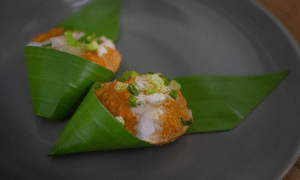
c1908 Haaw Mohk steamed savory curried cakes featuring crab meat, chicken, and pork (ห่อหมกทรงเครื่อง อย่างท่านผู้หญิงเปลี่ยน ภาสกรวงศ์ แม่ครัวหัวป่าก์ พ.ศ. 2451 ; haaw mohk sohng khreuuang)
This festive and rich recipe is for a coconut-based haaw mohk featuring chicken, crab and pork meats. This recipe was chosen from the various versions available at the time by Lady Plean Passakornrawong, for inclusion in her epic cookbook Maae Khruaa Huaa Bpaa (MKHP) (ท่านผู้หญิงเปลี่ยน ภาสกรวงศ์ตำราแม่ครัวหัวป่าก์).
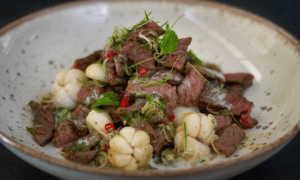
Grilled beef and mangosteen (or grape) salad with mint dressing, by Princess Jongjittanom Dissakul (ยำเนื้อย่างกับมังคุดหรือองุ่น; yam neuua yaang gap mangkhoot reuu angoon)
This grilled beef salad with luscious mangosteen (or grapes) is seasoned with a crisp, cooling dressing of fermented shrimp paste and mint. The mangosteen’s tropical character – a flavor redolent of many other fruits – dominates its fruity essence and is a perfect complement to both the grilled meat and the lingering, sour-salty-sweet, minty dressing. Furthermore, citrusy notes of thinly sliced lemongrass and kaffir lime leaves, coupled with richness of thickened coconut cream, unite the caramelized, meaty elements with the dish’s fruity spectrum.
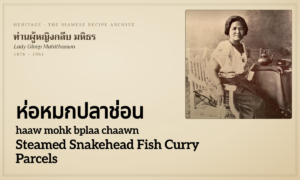
Steamed Snakehead Fish Curry Parcels (ห่อหมกปลาช่อน; haaw mohk bplaa chaawn)
haaw mohk pla chon: snakehead fish steamed in banana leaf with one coconut pressed into three grades of milk. Lady Gleep Mahithaawn, 1949.
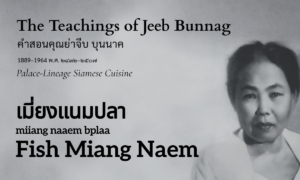
Fish Miang Naem (เมี่ยงแนมปลา; miiang naaem bplaa)
Miiang naaem bplaa, grilled snakehead fish with fire-roasted galangal juice and bitter orange, served in lettuce cups. Jeeb Bunnag, 1933.
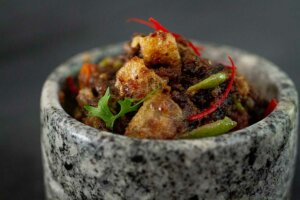
Salted Chinese black olive chili relish (น้ำพริกหนำเลี้ยบ; naam phrik nam liiap)
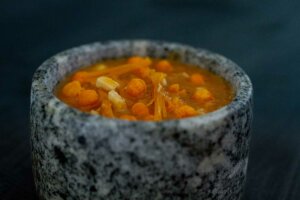
Chili relish of salted duck egg yolks (น้ำพริกไข่เค็ม ; naam phrik khai khem)
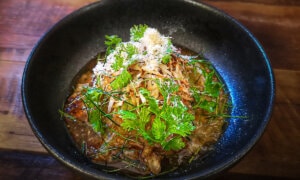
c1889 Faux Rhino Skin Salad (ยำโขนงเนื้อเทียม หรือ ยำหนังหมู ; yam kho:h nohng neuua thiiam reuu yam nang muu)
This old-fashioned Siamese pork skin salad is adapted from an 1889 rhino skin salad recipe. It features thin glossy slices of cooked pork skin, simmered in rich coconut cream, and mixed with dried shrimp, roasted coconut, sour fruits; it is seasoned with chili jam-based dressing.
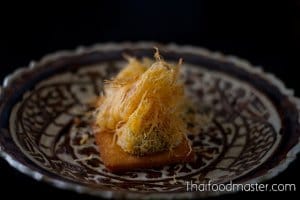
ขนมฝอย หรือ ขนมหันตรา
"ขนมฝอย" หรือ "ขนมหันตรา" - อนุสนธิจากตำนานแกงมัสมั่น ที่ Thaifoodmaster ได้นำเสนอไปแล้วนั้น ในบริบทหนึ่งกล่าวถึงหมายรับสั่งของพระบามสมเด็จพระพุทธยอดฟ้าจุฬาโลกที่ให้ พระยาจุฬาราชมนตรี ผู้นำมุสลิม จัดทำอาหารเลี้ยงพระและผู้คน ในคราวสมโภชพระแก้วมรกตและวัดพระศรีรัตนศาสดาราม ในปี พ.ศ.๒๓๕๒ ท่านขุนฯ เกิดความสนใจในอาหารที่นำมาจัดเลี้ยงเป็นอย่างยิ่ง ด้วยในคราวนั้นนิมนต์พระสงฆ์ถึง ๒,๐๐๐ รูปมาในงานบุญที่ยิ่งใหญ่นี้ จึงได้ตามรอย ค้นคว้าประวัติศาสตร์วัฒนธรรมขนมอีกตำรับหนึ่งของคนไทยมานำเสนอ ในอีกมุมมอง ที่เชื่อว่ายังไม่มีที่ใดบันทึกไว้อย่างครบถ้วนสมบูรณ์เช่น Thaifoodmaster แห่งนี้ คราวนี้จึงขอนำเสนอขนมโบราณที่มีเอกลักษณ์เด่นคือมีทั้งแบบหวาน และแบบคาว มาให้รู้จักกันให้ลึกซึ้งตรงกับตำรับดั้งเดิมมากที่สุด ซึ่งได้แก่ "ขนมฝอย" หรือ "ขนมหันตรา"
1
2
3
4
5
6
7
8
9
10

Get Access – Join Thaifoodmaster Today
Practical and kitchen-tested recipes with a mix of theory, history, psychology, and Siamese culture tidbits.
-
Get access to everything right away. Unlock more than 50 Masterclasses, over 700 recipes and Articles
Access to Thaifoodmaster’s constantly growing library of prime professional classes, articles, recipes and videos on Siamese culinary topics, available nowhere else in English.
-
GET EXTRA - New Masterclasses and Daily Recipes
Gain access to NEW masterclasses as they become available. Access DAILY translations of heritage-recipes.
-
1-1 support from Hanuman
1-1 support from Hanuman to help you achieve your professional Thai culinary goals
-
Live Q&A Sessions
The opportunity to join a monthly live two-hour videoconference where I can answer your questions.
-
Great Value!
one year access for the price of 3 days in-person training.
You will get everything you need to:
-
To Get inspired
When you design or build a new menu for an event or restaurant or even prepare for dinner with friends.
-
To Satisfy your curiosity.
Finally !
-
To Master Your Craft
Master your Thai cooking skills and expand your repertoire.
It is truly brilliant with a revolutionary approach introducing aspects and concepts never broached by cookbooks.

Ian Westcott
Sourcing Wines for Discerning Private Clients
© 2008 – 2026 Thaifoodmaster


