
Celebrating the Art of Siamese Culinary Wisdom and Thai Cuisine
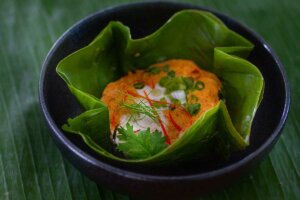
Haaw mohk steamed savory curried fish cakes (ห่อหมกปลา ; haaw mohk bplaa)
This recipe is for a coconut-based haaw mohk featuring clown featherback fish meat (เนื้อปลากราย) and slices of firm snakehead fish (ปลาช่อน). It is a classic recipe that follows the ancient haaw mohk tradition with a contemporary accent.
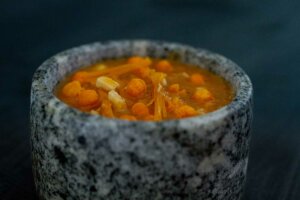
Chili relish of salted duck egg yolks (น้ำพริกไข่เค็ม ; naam phrik khai khem)

"Beautiful curry" – Clear Soup of Beef and Salted, Pickled Chinese Plum (แกงหงษา ; gaaeng hohng saa)
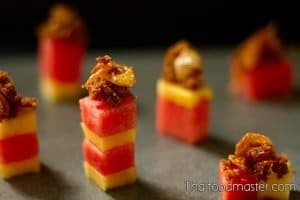
ผัดปลาแห้งแตงอุลิตอย่างปัจจุบัน และ ผัดปลาแห้งโบราณ อย่างคุณม่วง ราชนิกูล
ผัดปลาแห้งอย่างปัจจุบัน และ ผัดปลาแห้งโบราณ - สมัยก่อนถือว่าอยู่ในสำรับหลัก เป็นอาหารคาว ไปดูในตำรา "แม่ครัวหัวป่าก์" ได้ขอรับ ปัจจุบันคนรู้จักน้อยลง และมักคิดว่าเป็นอาหารว่าง หน้านี้แตงอุลิตกำลังมีรสดี ปลาจากช่วงหน้าเกี่ยวข้าวก็มันดี ทำปลาแห้งหรือปลาเกลือเอาไว้ ยิ่งเหมาะที่จะนำมาปรุงตำรับนี้ แต่จะนำแต่ตำรับที่พอจะรู้จัก ก็ไม่ใช่ Thaifoodmaster สิขอรับ วันนี้จะเอาตำรับปลาแห้ง แบบโบราณจริง ๆ มาให้รู้จักด้วย ใครที่พอจะรู้จักปลาแห้งอย่างที่มีในปัจจุบัน จะได้เอาไปคุยเพิ่มได้ว่า ยังมีโบราณกว่านี้อีก ใครที่มาบอกว่าเคยเห็นคุณย่าคุณยายทำกิน เราก็จะได้ข่มว่างั้นขอ เรียนเชิญคุณย่าคุณยายมาฟังสูตรของคุณทวดคุณเทียดดูทีรึ จะมีความเห็นเป็นประการใด
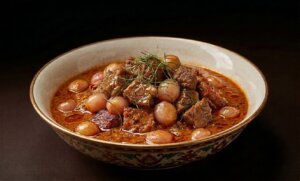
Phanaeng Curry of Grilled Duck Stock with Shallots (แกงพะแนงน้ำเป็ดย่างกับหอมเล็ก; gaaeng pha naaeng naam bpet yaang gap haawm lek)
Phanaeng curry from Mrs Puang Bunnag's 1931 manuscript, built on grilled duck stock and a paste of roasted coriander, cumin, and cinnamon.

c1949 Salad of grilled pork and coconut-cooked pumpkin by Maawm Ying Soophaa (ยำฟักทองกะทิ ตำราการปรุงอาหารยำ หม่อมหญิงสุภา พ.ศ. 2492; yam fak thaawng Gathi)
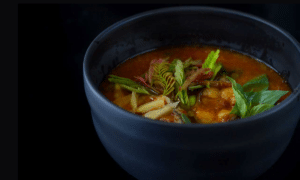
Gaaeng Jao Dtao – An Aristocratic Sour Curry of Catfish with Young Tamarind Leaves, Fingerroot and Lemon Basil, with a Rustic Flare (แกงเจ้าเต่า)
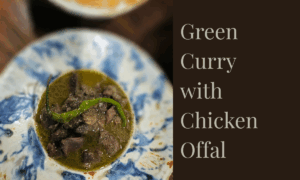
Yogurt-Based Ancient Green Curry with Chicken Offal (แกงเขียว; gaaeng khiaao)
Mrs. Yim Pichaiyat Bunnag (คุณยิ้ม พิชัยญาติ บุนนาค)'s 1920s aristocratic green curry reveals a forgotten chapter in Thai culinary history. This Muslim-style recipe uses ghee and yogurt instead of coconut milk, featuring chicken offal—liver, gizzard, and heart—each contributing distinct textures and concentrated flavors. Roasted spices like cinnamon, clove, and cardamom create warming aromatics, while fresh chilies provide signature heat. The dish documents how Bangkok's noble kitchens adapted Islamic cooking techniques before democratization, preserving methods that would shape modern Thai cuisine.

Stir-fried Crab with Seablite (ผัดกรกฏชะคราม; phat gaawn goht cha khraam)
Phat gaawn goht cha khraam, sea crab stir-fried with seablite — a briny coastal herb — in garlic and pork lard. Jeeb Bunnag, 1933.
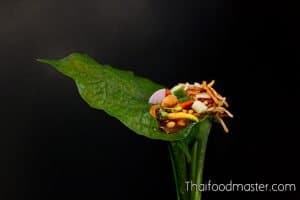
เมี่ยงคำ
ค้นข้อมูลดูว่าตำรับ "เมี่ยงคำ" เริ่มปรากฏมีบันทึกไว้เป็นลายลักษณ์อักษรแต่เมื่อใดกันแน่ สอบทานดูตำราอาหารเก่า ๆ หลายตำรับ ที่ตีพิมพ์ในสมัยรัชกาลที่ ๕ ก็ไม่พบ "เมี่ยงคำ" ในวิถีอาหารไทยโบราณแต่อย่างใด พบแต่ เมี่ยงลาว หรือ เมี่ยงพายัพ ซึ่งหมายถึงเมี่ยงที่มาจากทางเหนือ จากการอ่านหนังสือหลาย ๆ เล่ม เพื่อหาข้อมูลพบว่า "เมี่ยง" ได้เริ่มเป็นที่นิยมแพร่หลายในรั้วในวัง ก็หลังจากที่พระราชชายาเจ้าดารารัศมี ลงมารับราชการในราชสำนักที่กรุงเทพฯ และได้นำวัฒนธรรมการกินเมี่ยง ซึ่งเป็นหนึ่งในวิถีการดำรงชีวิตแบบล้านนาติดมาในหมู่ข้าราชบริพารชาวเหนือในตำหนักของพระองค์ ซึ่งบรรดาชาววังในสมัยนั้นจะเห็นเป็นสิ่งแปลกตาโก้เก๋ และคอยเอาอย่างในบางเรื่อง ทำให้หลังจากนั้นจึงค่อยเริ่มมีตำรับเมี่ยงต่าง ๆ ออกมามากมาย ปรากฏในตำราอาหารหรือเครื่องว่างต่าง ๆ ของไทยในสมัยต่อ ๆ มา สำหรับ "เมี่ยงคำ" นั้น พบว่ามีปรากฏครั้งแรก ในบทกาพย์เห่ชมเครื่องว่าง ของรัชกาลที่ ๖ ที่ใช้เป็นบทนำในตอนต้นบทความนี้ ซึ่งนั่นก็แสดงว่า "เมี่ยงคำ" กลายเป็นเครื่องว่างในวังหลวงเป็นที่นิยมกันมากแล้วในสมัยนั้นถึงสามารถขึ้นโต๊ะเครื่องเสวยได้ จึงเป็นข้อสันนิษฐานว่าน่าจะมีกำเนิดมาไม่เก่าไปกว่าสมัยรัชกาลที่ ๕ เป็นแน่แท้ ตำรับ "เมี่ยงคำ" คงจะเกิดจากการคิดประดิษฐ์ทำนำสิ่งละอันพันละน้อย ใส่ไปในคำเมี่ยง พร้อมใส่น้ำเมี่ยง เพื่อรับประทาน ทีละคำ ๆ จึงได้ชื่อว่า "เมี่ยงคำ" เหมือน ๆ หรือทำนองเดียวกันกับ "เมี่ยงอยาก" ที่ คุณป้า ม.ล. เนื่อง นิลรัตน์ เขียนบันทึกไว้ในหนังสือ "ชีวิตในวัง" ที่ตีพิมพ์มาแล้วหลายครั้ง ว่าเกิดจากความอยากกินเมี่ยง ของกลุ่มข้าหลวงวังสวนสุนันทา เวลามานั่งจับกลุ่มคุยกันยามว่างภารกิจ และไปค้นหาของในครัว ได้ กากหมู น้ำตาลปึก กะปิ ฯลฯ ก็นำมารับประทานกันเป็น"เมี่ยง" ที่อร่อยอย่างง่าย ๆ
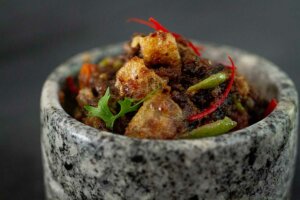
Salted Chinese black olive chili relish (น้ำพริกหนำเลี้ยบ; naam phrik nam liiap)
Dtohm Hohk Uuhr of Snakeskin Gourami (ต้มโฮกเออ; dtohm ho:hk uuhr)
Dtohm hohk uuhr, snakeskin gourami soup soured with young tamarind leaves and twenty to thirty bruised bird chilies. From Maawm Sohm Jeen, 1890.
Sweet and Sour Stir-Fried Giant Female Freshwater Prawn (ผัดเปรี้ยวหวานนางกุ้ง; phat bpriaao waan naang goong)
Phat bpriaao waan naang goong, giant female freshwater prawns steamed then stir-fried with a cassava flour sweet-sour glaze. Jeeb Bunnag, 1933.
Seasoned Pickled Razor Clam Relish (หอยเสียบดองปรุง; haawy siiap daawng bproong)
Haawy siiap daawng bproong, pickled razor clam relish seasoned with three acids—kaffir lime, lime, and tamarind. From Jeeb Bunnag, 1933.
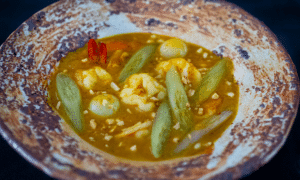
c1920 Sarama Shrimp Curry with White Eggplants and Lotus Stems (แกงสะระหม่ากุ้งกับมะเขือขาว และ สายบัว พ.ศ. 2463; gaaeng saramaa goong gap makheuua khaao reuu saai buaa)
A dish of complex flavors and an aromatic brightness, this Sarama curry features shrimp and the smaller Thai white eggplant, or crunchy lotus stems, in a golden, salty leading broth with clear tangy-sweet notes. The broth is silky and combines the nutty richness of coconut cream with the subtle sweetness of butter, cooked with a blend of dry spices that include coriander, cumin and turmeric. This spice blend evokes the penetrating aroma of curry powder, reflecting Muslim culinary influences.
Unlike spicy gaaeng phet (แกงเผ็ด) curries, which typically deploy dried chilies in the paste, Sarama curry contains fresh chilies. A mix of both red and yellow chili varieties are utilized, fusing the vibrant, fruity piquancy of the fresh chilies with the warm, earthy aromas of the spices. The red chilies contribute a ripe tropical fruitiness while the yellow offer citrusy and floral notes, creating a light yet layered curry with nuanced heat and depth of flavor.
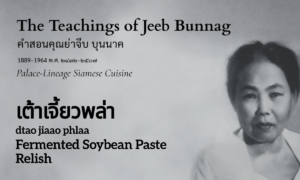
Fermented Soybean Paste Dipping Relish (เต้าเจี้ยวพล่า; dtao jiaao phlaa)
Dtao jiaao phlaa, fermented soybean paste relish bruised with lemongrass, kaffir lime, and tamarind. From Jeeb Bunnag, 1933.
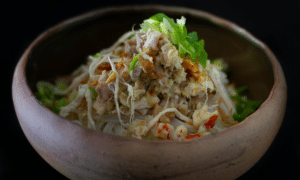
Naam Yaa Jeen - Fermented Rice Noodles with Chinese Sauce by HRH Prince Krom Luang Pitak Montri (น้ำยาจีน อย่างกรมหลวงพิทักษมนตรี)
Among the various curries that can be poured over khanom jeen fermented rice noodles, this broth, known as Chinese-style “naam yaa,” is unique in that it is a water-based curry that does not have chilies. As such, rather than the typical reddish-rust color of most coconut-based naam ya dishes from the Central Plains of the Kingdom, the sauce glows with a soft, light ivory hue, beautifully reflecting the dish’s natural sweet-savoriness, which is derived from slow-braising three proteins – chicken, pork and shrimp – along with a curry paste galvanized by smoke-dried fish and aromatic roots like galangal, fingerroot and sand ginger. The naam ya broth is served over a bed of fermented rice noodles and garnished with toppings such as delicate pulled chicken breast threads, golden-crispy fried shallots and garlic, and vivid green fresh coriander leaves and spring onion. All these elements add a visual grace and a hint of freshness to the robust broth – the signature dish of Prince Krom Luang Pitak Montri (กรมหลวงพิทักษ์มนตรี).
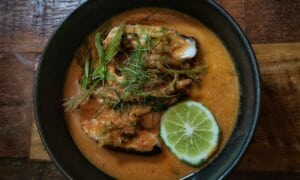
Chak sohm sour curry (gaaeng chak sohm ; แกงชักส้มปลาช่อน)
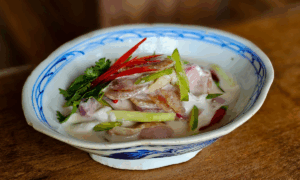
c1935 Princess Yaovabha's Sweet Chinese Sausage in Coconut Cream Soup (แกงไส้กรอกหมูแห้ง; gaaeng sai graawk muu haaeng)
A 1935 Thai palace recipe preserving Princess Yaovabha's Chinese sausage coconut curry. This ivory-colored soup features sweet goon chiang sausage in creamy coconut with lemongrass, kaffir lime, and tamarind. The dish represents a historic culinary shift when Chinese ingredients entered royal Thai kitchens, transforming from street food to palace cuisine.

Golden Baked Coconut and Mung Bean Custard (ขนมกุมภแกงถั่ว; khanohm pha goom gaaeng thuaa)
Khanohm goom gaaeng thuaa, a baked coconut and mung bean confection using top-heat charcoal baking, from Jeeb Bunnag's 1933 manuscript.
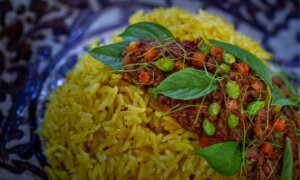
c1935 "Dry Curry" with beef over coconut infused jasmine rice (แกงแห้ง ตำรับสายเยาวภา พ.ศ. 2478 ; gaaeng haaeng)
1
2
3
4
5
6
7
8
9
10
11
12
13
14

Get Access – Join Thaifoodmaster Today
Practical and kitchen-tested recipes with a mix of theory, history, psychology, and Siamese culture tidbits.
-
Get access to everything right away. Unlock more than 50 Masterclasses, over 700 recipes and Articles
Access to Thaifoodmaster’s constantly growing library of prime professional classes, articles, recipes and videos on Siamese culinary topics, available nowhere else in English.
-
GET EXTRA - New Masterclasses and Daily Recipes
Gain access to NEW masterclasses as they become available. Access DAILY translations of heritage-recipes.
-
1-1 support from Hanuman
1-1 support from Hanuman to help you achieve your professional Thai culinary goals
-
Live Q&A Sessions
The opportunity to join a monthly live two-hour videoconference where I can answer your questions.
-
Great Value!
one year access for the price of 3 days in-person training.
You will get everything you need to:
-
To Get inspired
When you design or build a new menu for an event or restaurant or even prepare for dinner with friends.
-
To Satisfy your curiosity.
Finally !
-
To Master Your Craft
Master your Thai cooking skills and expand your repertoire.
It is truly brilliant with a revolutionary approach introducing aspects and concepts never broached by cookbooks.

Ian Westcott
Sourcing Wines for Discerning Private Clients
© 2008 – 2026 Thaifoodmaster


