Online Siamese Culinary Masterclasses for Professional Chefs and Thai food enthusiasts

In my masterclasses, for the first time in the English language, I reveal the culinary secrets hidden in old and hard-to-find Siamese cookbooks and recipes dating from the late 19th century to modern days. 

Get unlimited access to Thaifoodmaster’s constantly growing library of prime professional masterclasses, articles, recipes and videos on Siamese culinary topics, available nowhere else in English.

Online membership: 
Masterclasses, Articles, Recipes, Daily Heritage Translations.
Professional Guides: Siamese Chili Relishes (น้ำพริก และ เครื่องจิ้ม), Thai Curries (แกงไทย), Thai Salads (เรื่องยำๆ) and The art of Siamese old-school menu design (สํารับอาหารไทย).

In-person workshops: 
Chiang Mai, 2026. Limited spaces.

Masterclasses

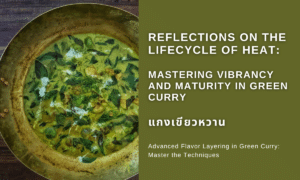
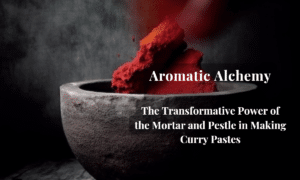
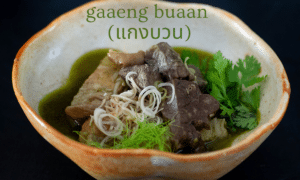
Practical and kitchen-tested recipes with a mix of theory, history, psychology, and Siamese culture tidbits.
1
2
3
4
5
6

Articles and Recipes

Egg Sausage in Chicken Intestine (ลูกรอกไส้ไก่; luuk raawk sai gai)
Egg Sausage in Chicken Intestine, a delicate steamed egg custard in cleaned intestine casing used as a garnish for refined clear soups. From Jeeb Bunnag's 1933 royal cookbook.
grilled beef mangosteen salad
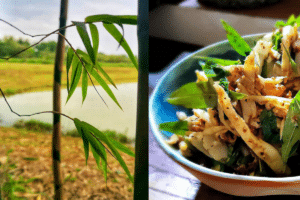
Grilled beef and mangosteen (or grape) salad with mint dressing, by Princess Jongjittanom Dissakul (ยำเนื้อย่างกับมังคุดหรือองุ่น; yam neuua yaang gap mangkhoot reuu angoon)
This grilled beef salad with luscious mangosteen (or grapes) is seasoned with a crisp, cooling dressing of fermented shrimp paste and mint. The mangosteen’s tropical character – a flavor redolent of many other fruits – dominates its fruity essence and is a perfect complement to both the grilled meat and the lingering, sour-salty-sweet, minty dressing. Furthermore, citrusy notes of thinly sliced lemongrass and kaffir lime leaves, coupled with richness of thickened coconut cream, unite the caramelized, meaty elements with the dish’s fruity spectrum.
Dtam Raa Khraawp Lo:hk (ตำราครอบโลก) A Cookbook Encompassing the World
Handpicked recipes from Tamra Khraawp Lo:hk (ตำราครอบโลก, 1929), an early Thai cookbook holding regional, household, palace, and foreign repertoires under one technique sequence.
The Earliest Printed Recipe for Papaya Som Tum (ส้มตำมะละกอ; sohm dtam ma la gaaw)
Sohm dtam ma la gaaw, the first printed Siamese recipe for som tum — a Central Thai papaya salad with dried shrimp. Tamra Khraawp Lo:hk, 1929.
Spicy Curry with Beef-Stuffed Earthstar or Lactarius Mushrooms (แกงเผ็ดเห็ดเผาะหรือเห็ดยาง; gaaeng phet het phaw reuu het yaang)
Gaaeng phet het phaw, foraged earthstar or Lactarius mushrooms stuffed with minced beef in spiced coconut cream. Jeeb Bunnag, 1933.
Indian-Style Pickled Vegetables (อาจาดเทศ; aa jaat the:t)
Indian-Style Pickled Vegetables preserved with a complex blend of fenugreek, cardamom, and cloves. From Ibrahim's 1938 Thai-Muslim cookbook.
Crispy Chicken Offal (เครื่องในไก่กรอบ; khreuuang nai gai graawp)
Khreuuang nai gai graawp, chicken offal spiced with white pepper and nutmeg, deep-fried and served with kapi relish. Jeeb Bunnag, 1933.
Turkish Mutamba (มุ๊ตำบ๊ะเตอรกี; mu dtam ba dter ru gee)
Turkish Mutamba, a layered banana pastry infused with rose water and finished with coconut shell smoke. From Ibrahim Haji's The Muslim Cook (1938).
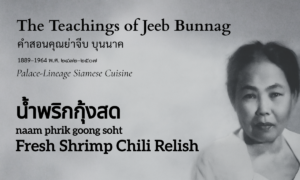
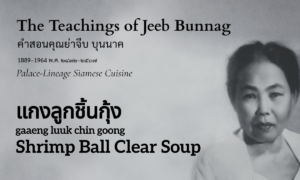
The Teachings of Jeeb Bunnag (คำสอนคุณย่าจีบ บุนนาค)
In 1929, fire destroyed her home in Bang Krabue—manuscripts, possessions, the material inheritance of generations. What survived was knowledge. Trained by Lady Plean Passakornrawong in the palace kitchens, she carried a culinary tradition that could not burn. Four years later, she began publishing. She signed her books with her actual address so anyone could write to her. This archive gathers recipes from across her publications, spanning four decades from her 1933 Samrub Raawp Bpee (สำรับรอบปี) to works published after her death in 1964. Each preparation carries her teaching method—tested instructions, structural logic preserved, substitutions provided for those with dietary restrictions. Palace technique made accessible. Court cuisine adapted for household kitchens. The grammar of Siamese cooking recorded by someone who carried it by birthright and gave it away through teaching.
Heritage 10: Issue Thursday, March 19, 2026
This week's folios: - แกงเผ็ด ระกาพระหน่อ — Spicy Curry of Fowl and Royal Sprout (Gingganok Gaanjanaaphaa, 1935) - ผัดเนื้อกะทิ — Stir-Fried Salted Beef with Coconut Cream (Jeeb Bunnag, 1933) - แกงเผ็ดนกเขาไฟ — Fiery Red Collared Dove Curry with Two Basils (Jeeb Bunnag (จีบ บุนนาค) (Mrs. Samakkhanatthon) (นาง สมรรคนันทล), 1933) - ขนมกุมภแกงถั่ว — Baked Coconut and Mung Bean Custard (Jeeb Bunnag, 1933) - ข้าวเหนียวนางละเวง — Nang Laweng Sticky Rice (Gingganok Gaanjanaaphaa, 1935) - ปลาแดงทรงเครื่อง — Red Pickled Anchovies with Seasonings (Jeeb Bunnag, 1933) - ไส้กรอกเลือดสุกร — Grilled Pork Blood Sausage (Jeeb Bunnag, 1933)
ส้มฉุน
บทความนี้เราจะมาคุยกันต่อถึงอาหารไทยโบราณที่ชื่อ "ส้มฉุน" อีกตำรับหนึ่งที่ต่างไปจากบทที่แล้ว คราวนี้เป็นเครื่องว่างหวาน ตระกูลลอยแก้ว ที่เหมาะกับการรับประทานในหน้าร้อนด้วยเช่นกัน อาหารตำรับนี้มีกล่าวถึงในบทพระราชนิพนธ์ กาพย์เห่ชมเครื่องคาวหวาน ในสมเด็จพระพุทธเลิศหล้านภาลัย รัชกาลที่ ๒ ซึ่งทรงพระราชนิพนธ์มาแต่สมัยรัชกาลที่ ๑ ความว่า... "ลิ้นจี่มีครุ่นครุ่น เรียกส้มฉุนใช้นามกร หวนถวิลลิ้นลมงอน ชะอ้อนถ้อยร้อยกระบวน" ประเด็น ที่น่าสงสัยตั้งคำถาม ก็คือว่า ทำไมถึงเรียกลิ้นจี่ ว่า "ส้มฉุน" ทั้ง ๆ ที่ ศัพท์คำว่า"ส้มฉุน"นี้ เราใช้เรียกมะม่วงดิบฝานล้างน้ำเกลือ ปรุงแบบยำไว้รับประทานช่วงหน้าร้อนอยู่แล้ว
Miang Sot (เมี่ยงซด) - Miiang Soht, circa 1928
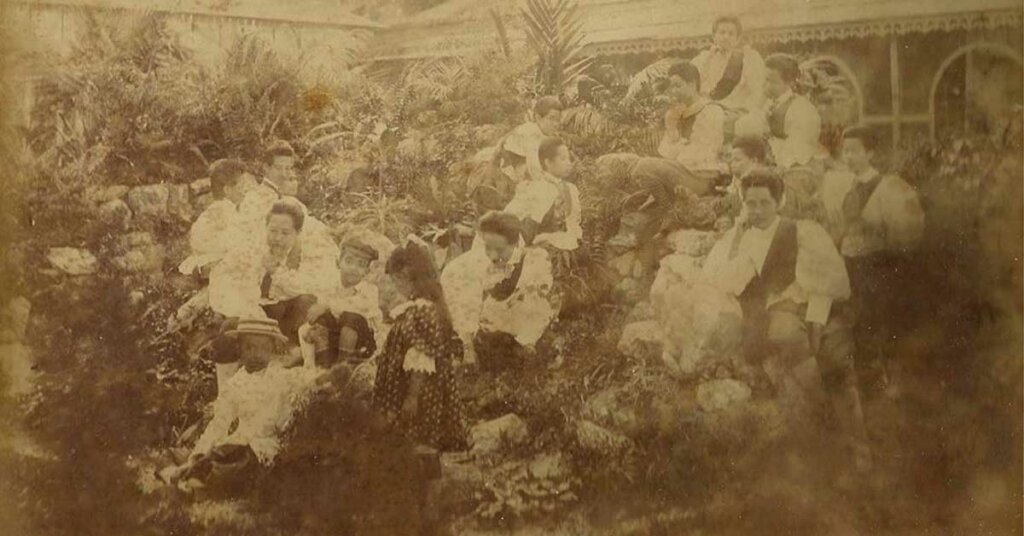
The word ‘miang’ is often used to designate Thai hors d’oeuvre-like snacks consisting of various ingredients wrapped in leaves. To chew on a miang parcel delivers a delightful melee of flavors and textures, each triumphing over the other in a continuous transformation, creating a captivating and ever-evolving taste experience throughout the bite. Miang sot is a fermented leaves dish that appeared in a cookbook published in honor of Thao Suphatigaanapakdee (also known as Prik Sirisamphan) (ท้าวสุภัติการภักดี (ปริก ศิริสัมพันธ์)), in 1928. Titled Gap Khaao Thai (กับข้าวไทย), the book features a collection of recipes that were once prepared and served to King Chulalongkorn Rama V. The author, Sohmboon Sirisamphan (เถ้าแก่ สมบุญ ศิริสัมพันธ์) a respected elder (known as thao gaae (เถ้าแก่) in Thai), was a distinguished businessman of Chinese origins. The dish is composed of fermented tea leaves; it is perhaps the closest tea leaves wrap to the ‘miang’ style introduced to the Siamese court by Princess Dara Rasami in the late 1800s. The dish gives us a glimpse of flavor of what her household, which participated in the informal marketplace events within the palace, might have to offer. The popularity of miang in Siamese cuisine is tied to the history of two kingdoms, Siam and Lanna, and the life of one princess, Princess Dara Rasami. The daughter of King Inthawichayanon of Chiang Mai and the fifth consort of King Chulalongkorn, the princess was selected at the age of thirteen, in 1886, to serve as a consort to King Chulalongkorn in the Inner Palace; the decision was shaped by both political strategy and personal transition. At the time, Siam was consolidating its power and extending its influence over neighboring regions, including Lanna. As the ruler of Chiang Mai, Princess Dara Rasami’s father, Intawichayanon, viewed the move as a strategic alliance. In return, King Chulalongkorn presented him with the medal of the Order of Chula Chom Klao, which is the Siamese equivalent of a knighthood.
Gaaeng Khuaa Chicken with Shatavari (แกงคั่วไก่สามสิบ; gaaeng khuaa gai saam sip)
Gaaeng khuaa gai saam sip, chicken curry with young shatavari fruit; paste fried in rendered coconut oil. Jeeb Bunnag, 1933.
roselle salad
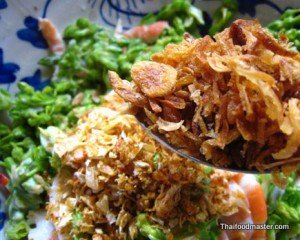
c1890 Fresh roselle salad with acid-cured shrimp (ยำผลกระเจี๊ยบ อย่างท่านผู้หญิงเปลี่ยน ภาสกรณ์วงศ์ ร.ศ.๑๐๘ ; yam phohn gra jiiap;)
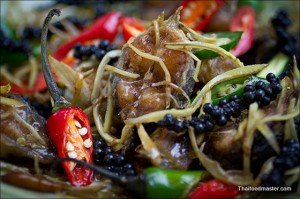
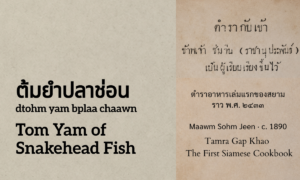
Dtohm Hohk Uuhr of Snakeskin Gourami (ต้มโฮกเออ; dtohm ho:hk uuhr)
Dtohm hohk uuhr, snakeskin gourami soup soured with young tamarind leaves and twenty to thirty bruised bird chilies. From Maawm Sohm Jeen, 1890.
1
2
3
4
5
6
7
8
9
10
11
12
13
14
15
16
17
18
19
20
21
22
23
24
25
26
27
28
29
30
31
32
33
34
35
36

Siamese Culinary Legends of the Rattanakosin period

Siamese cuisine is the accumulated wisdom of cooks at every level of the society – from housewives cooking at home and caring for their families, to cooks in the temple, to the culinary masters who created elaborate dishes behind the palace walls.

In this series of short articles highlighting their lives and work, we salute and pay homage to the most prominent individuals who influenced and shaped the Siamese culinary arts bpaa ga sin (ปากะศิลป์) of the Rattanakosin Era.

These background descriptions will put into perspective the dishes we present and cook here on Thaifoodmaster and will also help you to cook Thai dishes that taste like they have a solid bond to the culture, the land and its people.

Read more

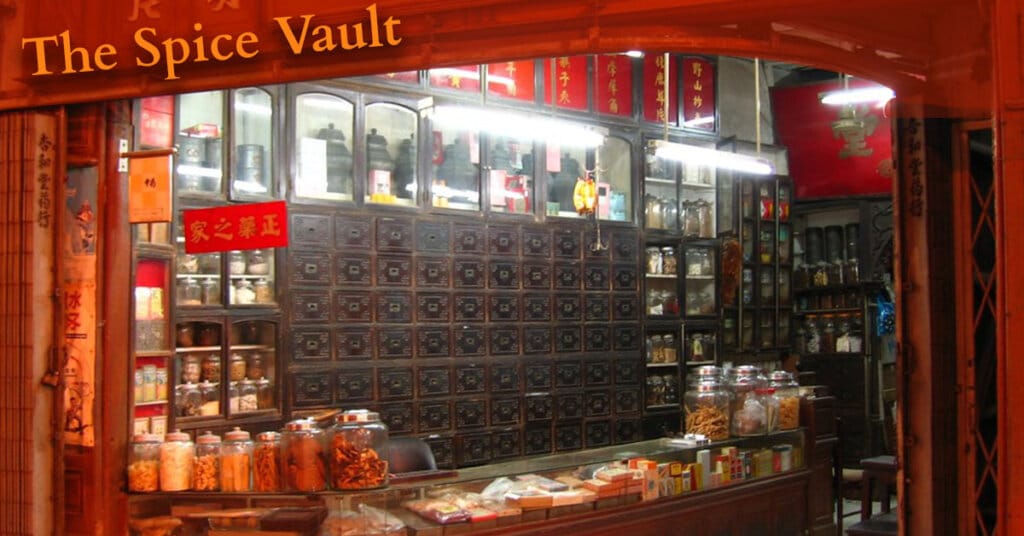
The Spice Vault

Here you will find recipes for popular spice mixes that you can make yourself! Homemade spice blends not only taste better and cost less, but you’ll also be able to create unique spice blends based on your personal preferences. As a bonus, you’ll use spices with no preservatives or artificial colors!

For example, members can explore recipes for Chinese five-spice mix, masalas for khao soi and hang lay curries, homemade Thai curry powder, and a variety of the spice blends used in Northern and Muslim Thai cuisines.

Read more

Get Access – Join Thaifoodmaster Today

Practical and kitchen-tested recipes with a mix of theory, history, psychology, and Siamese culture tidbits.

  • Get access to everything right away. Unlock more than 50 Masterclasses, over 700 recipes and Articles

    Access to Thaifoodmaster’s constantly growing library of prime professional classes, articles, recipes and videos on Siamese culinary topics, available nowhere else in English.

  • GET EXTRA - New Masterclasses and Daily Recipes

    Gain access to NEW masterclasses as they become available. Access DAILY translations of heritage-recipes.

  • 1-1 support from Hanuman

    1-1 support from Hanuman to help you achieve your professional Thai culinary goals

  • Live Q&A Sessions

    The opportunity to join a monthly live two-hour videoconference where I can answer your questions.

  • Great Value!

    one year access for the price of 3 days in-person training.

You will get everything you need to:

  • To Get inspired

    When you design or build a new menu for an event or restaurant or even prepare for dinner with friends.

  • To Satisfy your curiosity.

    Finally !

  • To Master Your Craft

    Master your Thai cooking skills and expand your repertoire.

It is truly brilliant with a revolutionary approach introducing aspects and concepts never broached by cookbooks.
Ian Westcott
Ian Westcott
Sourcing Wines for Discerning Private Clients