
Celebrating the Art of Siamese Culinary Wisdom and Thai Cuisine
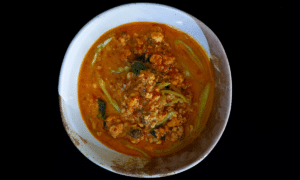
Minced-Bird Curry with Fish (ปลาช่อนแกงนก; Bplaa Chaawn Gaaeng Nohk)
Lady Plean Passakornrawong’s historic, first-ever recipe for minced-bird curry with snakehead fish revives the old minced-bird curry syle. The fish is minced and cooked with the curry paste, producing a hearty and comforting thick-textured curry.

Minced-Bird Style Curries - A Peek Into Traditional Ingredients and Cooking Methods (แกงสับนก; Gaaeng Sap Nohk)
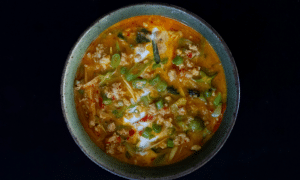
Pork and Three Beans Minced-Bird Style Curry with Fingerroot and Holy Basil (แกงคั่วหมูสับถั่วพู; Gaaeng Muu Sap Thuaa Phuu)
This contemporary minced-bird style curry uses pork rather than bird. However, since thicker, meatier curries have become associated in modern Thai cuisine with the bold presence of fingerroot – for example, in dishes such as fermented rice noodles in naam yaa thick fish curry (khanohm jeen naam yaa (ขนมจีนน้ำยา)) – this dish adopts the penetrating aromatic character of fingerroot along with the clove-like warmth of holy basil.
Like crisp footsteps in a forest, this satisfyingly meaty curry features vibrant fresh red chilies and thinly sliced yardlong beans and winged beans. It is suitable to serve with rice or with fermented rice noodles (khanom jeen paeng mak), conveying an aromatic upcountry flair.
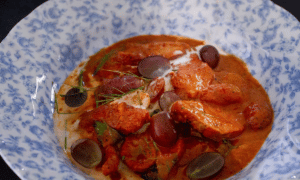
c1941 Roasted Duck Curry with Grapes (Gaaeng Ho) (แกงเป็ดเหาะใส่องุ่น อย่างคุณถนอม ปาลบุตร พ.ศ. 2484; gaaeng bpet haw sai angoon)
Grapes have long been associated with prosperity, fertility and abundance across various cultures and historical periods due to the fruit’s large clusters and bountiful growth. In ancient China, grapes were considered a symbol of wealth and nobility, and often deployed as a status symbol among the elite. In Greek mythology, Dionysus, the god of wine and fertility, was often depicted holding a bunch of grapes, further emphasizing the connection between grapes and abundance. This association is also likely rooted in the fact that grapes were a valuable crop in antiquity – used to produce wine and other fermented products, and an important source of food and nutrition. In Indian Ayurvedic texts, grapes are referred to as vineaksha and utilized in treating a variety of ailments, including fever and indigestion.
From the Siamese perspective, the incorporation of fruits in culinary preparations was viewed as a luxurious indulgence, as many fruits commonly available today were once difficult to obtain. Thus the pairing of an extravagant ingredient – such as fruit – with an equally opulent and exclusive delicacy like roasted duck resulted in a dish fit for royalty.
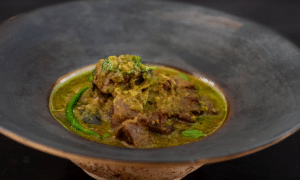
Perfumed Muslim-style Curry of Fresh Chilies with Beef (แกงเขียวหวานเนื้อทรงเครื่อง; Gaaeng Khiaao Waan Neuua Sohng Khreuuang)
The Indian and Muslim cuisines present distinct approaches to using dried spices in curries, both of which influence Siamese cuisine in different ways. Indian-inspired Siamese curries spotlight chilies for their vibrant color, fragrance, flavor and heat, while spices like cumin and coriander play a supporting role. The spices complement and temper the chilies’ intensity, creating a rounded, multi-layered flavor profile; nonetheless, the chilies remain the star ingredient, gently complemented by the spices.
Conversely, Muslim-influenced curries, such as massaman curry, prioritize spices over chilies. Spices like cardamom, nutmeg and mace take center stage, while the chilies provide subtle background heat rather than being the primary flavor. In these curries, the focus is on the rich, warm and complex aromas created by the blend of spices, which is a defining characteristic of many Muslim dishes.
Moreover, Siamese cuisine favors using rehydrated dried chilies in curries for their depth; this depth is highly appreciated, along with the complexity, and comparatively milder heat of the rehydrated dried chilies. As well, the harsh grassy notes of fresh chilies are not favored; they’re referred to in Thai as “green rank” or “men khiaao (เหม็นเขียว)”. Muslim curries often use fresh green chilies, tempering their vibrant, grassy taste with dry spices and thus shifting the flavor from bright and fresh to more subdued and earthy tones, resulting in a dish that is perceived to be layered, despite the burst of fresh chilies.

แกงเผ็ดปลาไหลทรงเครื่อง
ตำรับปลาไหลนี้ ปัจจุบันมักจะคิดว่าเป็นแต่สำรับของชาวบ้าน หรือเป็นแค่อาหารลูกทุ่งเท่านั้น ความจริงแล้ว อาหารตำรับปลาไหลเป็นอาหารทั่วไปของคนทุกชนชั้น ทั้งไพร่สามัญชน ผู้ดีชาวกรุง หรือเจ้านายในรั้วในวัง ต่างมีตำรับแกงปลาไหลขึ้นสำรับทั้งนั้น ที่มีเขียนบันทึกไว้ก็มีหลายตำรับเลยทีเดียว เช่น ตำรับของหม่อมส้มจีน ตั้งแต่ ร.ศ. 109 มี "ต้มเปรตปลาไหล". ตำรับแม่ครัวหัวป่าก์ ของท่านผู้หญิงเปลี่ยน ภาสกรวงษ์ ตำรับวังมหานาค โดย ม.จ.หญิงวิมลปัทมราช จิรประวัติ ก็มี "แกงปลาไหล" ตำรับที่พิมพ์จำหน่ายในช่วง"รัฐนิยม"สมัยจอมพล ป. พิบุลสงคราม พิมพ์เมื่อ พ.ศ.2485 ก็มี "แกงเผ็ด ปลาไหลซงเครื่อง" หรือแม้แต่ที่เข้ากับสำนวนเกลียดปลาไหลกินน้ำแกงตรงเผง ไม่ชอบปลาไหล แต่อยากกินแกงปลาไหล ชาววังในสำนักพระวิมาดาเธอฯ นิยมใช้ปลาดุกมาแกงแทนปลาไหล ตามที่ม.ล.เนื่อง นิลรัตน์ ข้าหลวงในสมเด็จพระเจ้าบรมวงศ์เธอเจ้าฟ้านิภานภดล วิมลประภาวดีกรมขุนอู่ทองเขตขัตติยนารี บันทึกไว้ถึง "แกงปลาดุกอย่างปลาไหล" เอาใว้ด้วย
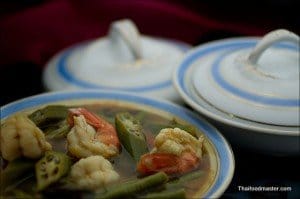
สูตรทำแกงส้มมอญกระเจี๊ยบกุ้ง
Gaeng som recipe: Sour curries are without doubt one of Thai cuisine all-time favorites, free from foreign influence and with many regional variations they present a complex balance of four flavors while using only few ingredients, all find a pleasing harmony in one dish.
There are the sourness of the tamarind paste, the saltiness of the fermented shrimp paste and fish sauce, the natural sweetness of the prawns and the vegetables and of course the peppery heat from the chilies. This easy curry paste is as rich as it is simple; the flavor offers a world of depth in a truly innovative combination of flavors.
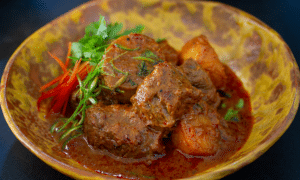
Perfumed Braised Beef and Potato Curry with Three Gingers, Thai Basil and Bitter Orange (แกงเนื้อใส่เปราะหอมสดและส้มซ่า; Gaaeng Neuua Sai Bpraw Haawm Soht Lae Sohm Saa)
Discovered in a memorial book for the funeral of SubLt. Soophoht Jeungpraphaa (ร.ต. สุพจน์ จึงประภา) (1925-1966), this beef and potato curry dish unites two distinct curry styles: Massaman curry, known for its sweet and warming complexity of dry spices, punctuated by the vibrancy of bitter orange juice; and gaaeng phet (แกงเผ็ด) spicy curry, dominated by a basil herbal identity. The recipe maintains a sense of traditional elegance despite the startlingly unusual culinary fusion; as these two cooking styles are woven together, their spiced comfort, earthy warmth, citrusy freshness, and cool herbaceous notes meld in a gentle refinement. Drawing upon familiar and novel elements, this curry is both comforting and stimulating.
Massaman curry typically presents as a deep, rich dish. Its unique flavor profile is derived predominantly from a range of dry spices that point to its Persian-inspired roots in Siamese cuisine, along with a curry paste that exudes a sense of freshness. The dried chilis are roasted to deepen their color; the rest of the ingredients, such as the shallots, garlic and dry spices, are roasted too, individually, before being pounded into the paste. Conversely, the gaaeng phet (แกงเผ็ด) curry integrates dry spices more sparingly and is known for flavor qualities that are based on a phrik khing (พริกขิง) paste made of fresh aromatics and a basil herbal identity.
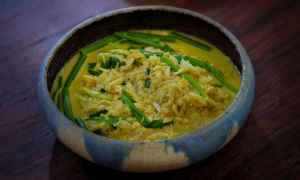
Crab and Spring Onion Coconut-Based Curry (แกงคั่วปูกับต้นหอม; Gaaeng Khuaa Bpuu Gap Dtohn Haawm)
Preparing a crab curry is an exercise in culinary diplomacy, wherein the challenge lies in negotiating the distinct flavors of land and sea into a cohesive understanding and capturing the perfect balance. This golden gastronomic horizon is where the delicate whispers of the ocean meet earth’s bold declarations – and at its core is a straightforward question: How do we craft a curry that testifies, via crab, to the ocean’s bounty, yet remains grounded in the earth’s aromatic flora, with roots like galangal and turmeric?
In addition, it is challenging to create a curry that is luxuriously creamy, yet light and not too greasy; where the crab’s delicate natural sweetness surfaces as a pleasant sea breeze, levitating above the pitfalls of being too fishy or overly sweetened. Another hurdle is achieving the precise color – produced by red chilies, golden turmeric and peppercorns – that reflects the culinary traditions of southern seashore fishing communities. I like mine set to about a 70:30 ratio of yellow to red and, if using black peppercorns, with a deep brown undertone.
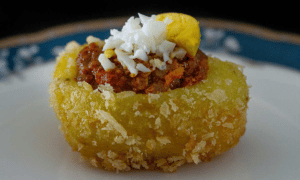
c1935 Stuffed Potatoes with Bitter Orange Fragrant Beef Gaaeng Garee (แกงกะหรี่บรรจุมัน ม.ล. เติบ กำภู ; gaaeng garee ban joo man)
In Anglo-Indian cuisine, potatoes were used liberally in the curries; alongside the favorite sour chutneys, curries were also accompanied by fried, baked, boiled or mashed potatoes. Although the potato gradually found its way into many iconic Indian dishes, and even into Siamese cuisine, the tuber never replaced the rice of South Asia, despite the intentions of both the British and East Indian company officials.
In the 1935 book Sai Yaowapa (ตำรับสายเยาวภา), Princess Yaovabha Bongsanid (พระเจ้าบรมวงศ์เธอ พระองค์เจ้าเยาวภาพงศ์สนิท) reflects the Anglo-Indian style gaaeng garee in her composition of bitter orange-fragrant beef gaaeng garee, which she serves in individual bowls made of fried potatoes, per a recipe recorded by M.L. Terb Gamphu (ม.ล. เติบ กำภู) and M.R. Tuang Sanitwong (ม.ร.ว.เตื้อง สนิทวงศ์).
Curry Paste Permeability
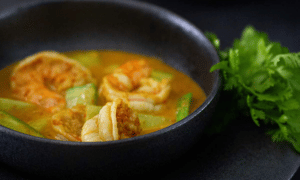
c1889 Garee Curry with Shrimp and Cucumber (แกงกะหรี่กุ้งกับแตงกวา; gaaeng garee goong gap dtaaeng gwaa)
In this old-fashioned coconut-based curry, orangey shrimp and bright green cucumber shine in a golden haze of curry powder, caressed by the light breeze of Indian flare. Cucumbers are used in traditional Ayurvedic medicine as a coolant, to offset internal heat and to resolve fevers. Thus, like a refreshing oasis in the middle of a shimmering desert, the cucumber counterbalances the chili’s internal heat energy and mellows the fragrant, earthy undertones of the spice blend in the dish.
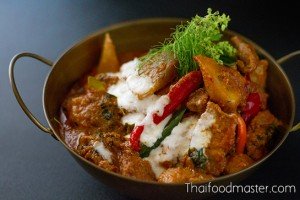
แกงหมูย่างกับกล้วยดิบ
แกงตำรับนี้มีในตำรา "แม่ครัวหัวป่าก์" (เล่มอนุสรณ์ เจ้าจอมพิศว์ ในปี 2514) เจ้าจอมพิศว์ นั้นมีบิดา คือ เจ้าพระยาภาสกรวงศ์ (พร) และมีมารดาคือ ท่านผู้หญิงเปลี่ยน ภาสกรวงศ์ ผู้ที่ริเริ่มเขียนหนังสือตำรากับข้าวแม่ครัวหัวป่าก์ อันโด่งดัง โดยผู้ที่ทำด้านอาหารไทย ต่างเสาะแสวงหากัน โดยเฉพาะพิมพ์ 1 นั้นเอง เจ้าจอมพิศว์นั้น มีพี่น้องร่วมบิดา และมารดาเดียวกันคือ จมื่นศรีสรรักษ์(เพ่ง บุนนาค), นาย ราชาณัตยานุหาร (พาสน์ บุนนาค) หม่อม พัฒน์ รัชนี (หม่อมในพระราชวรวงศ์เธอ กรมหมื่นพิทยาลงกรณ์) และคุณหญิงพวง ดำรงค์ราชพลขันธ์ (ภรรยา พลเรือโท พระยาดำรงค์ ราชพลขันธ์) (กร บุนนาค) และในตำราเก่าๆอีกหลายเล่มเช่นกัน เคยเห็นเชฟระดับประเทศบางท่านนำเสนอในนิตยสารไว้ด้วยเมื่อหลายปีมาแล้ว แกงนี้มีส่วนประกอบง่ายๆอีกเช่นกัน มีหมูย่าง กล้วยดิบ พริกแกง กะทิ พริกแดง ใบมะกรูด และ ใบกระเพราแดงและดอก เพียงเท่านี้
Aromatic Alchemy - The Art and Science of Pounded Curry Pastes
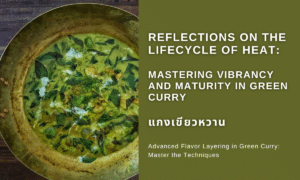
The Secret Healing Powers of Siamese Curries – A Closer Look at Gaaeng Yaa (แกงยา)
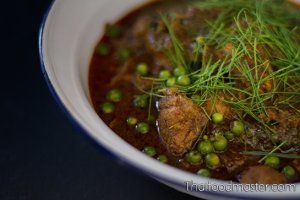
แกงเผ็ดลูกทุ่งภาคใต้
"แกงเผ็ดลูกทุ่งภาคใต้" นี้ จะนิยมใช้เนื้อสัตว์ที่ตัวโต ขนาดใหญ่ขึ้นมากว่าสัตว์น้ำที่นิยมทั่วไปในภาคใต้ อย่างไก่ หมู แพะ หรือ เนื้อวัว มาปรุงมาทำเมนูพิเศษตำรับนี้ เพื่อให้ได้สารอาหารโปรตีนชนิดอื่น ๆ ที่จำเป็นต่อการสร้างเสริมภูมิคุ้มกัน ให้กับร่างกาย โดยจะเน้นรสชาติที่เข้มข้น คือ เน้นรสเผ็ดร้อนมากกว่าอาหารปกติ เครื่องแกงที่ใช้ ก็จะใส่พืชสมุนไพรอย่าง ดีปลี พริกไทยเม็ด และ ข่า นอกเหนือจากเครื่องแกงทั่วไป คั่วหรือเผาก่อนโขลก งานนี้ เน้นข่า เป็นตัวเอก จะใช้มากหน่อย และลดหอมแดงลง หรือไม่ใช้เลย เพราะหอมแดงจะกลบกลิ่นข่าไปเสีย วันนี้ขอแกงด้วยเนื้อหมู หากเป็นสมัยก่อนนั้น โอกาสจะได้รับประทานหมูจะไม่ค่อยบ่อย เพราะชุมชนทางใต้มักจะเป็นมุสลิม นับถือศาสนาอิสลาม ด้วยอิทธิพลการเป็นเมืองท่าชายทะเล ได้รับวัฒนธรรมจากอินเดีย หรือจากแถบอาหรับมาแต่เก่าก่อน เนื้อหมูซึ่งปัจจุบันค่อนข้างหาง่ายหน่อย จึงเหมาะกับสมาชิกท่านผู้อ่านทั่วไป ที่บางท่านไม่รับประทานเนื้อวัว ตำรับนี้จะไม่ใส่ผักอื่นใด เน้นสมุนไพร แต่จะใส่ข่าอ่อนซอยฝอย และเม็ดพริกไทยอ่อน ใบมะกรูดหั่นฝอย เพิ่มรสชาติเผ็ดร้อน เข้าไปอีก และจะเป็นแกงแบบน้ำขลุกขลิก ไม่ใส่น้ำมากอย่างแกงส้มแกงเหลือง ขั้นตอน เครื่องปรุง และวิธีการทำ โปรดดูได้ในช่วงท้าย
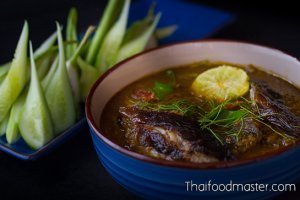
แกงไตปลาปลาดุกย่างโบราณ
แกงไตปลาปลาดุกย่างโบราณ - แกงไตปลา เป็นแกงพื้นเมืองของปักษ์ใต้ ที่มีความหลากหลายพอสมควร คือมีทั้งแกงประเภทใส่กะทิและไม่ใส่กะทิ แต่ที่เหมือนกันทุกท้องถิ่นคือ เครื่องพริกแกงต้องเผ็ด ใส่ทั้งพริกสดและพริกแห้ง และเป็นแกงรสจัด ม.ล.เนื่อง นิลรัตน์ ได้เล่าเอาไว้ว่า "เจ้านครส่งคนครัวมาสอน เดิมจะมีรสชาติเผ็ดมาก เปรี้ยวหูฉี่ พอมาถึงในวัง ก็ต้องแผลงให้เข้ากับภาคกลาง โดยนำมาดัดแปลงใส่ปลากรอบ ปลาย่าง ผักไม่ใส่รวมลงไป เวลาจะรับประทานก็รับกับผักสดที่จัดไว้ มีสะตอ ลูกเนียง...
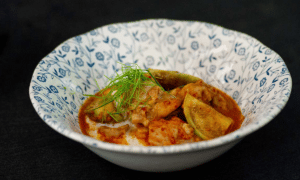
Chiang Mai-Style Chicken Gaaeng Garee (แกงเผ็ดกะหรี่เชียงใหม่ ; gaaeng phet garee chiang mai)
I discovered this unusual curry recipe hidden in a 1970 memorial book for Ms. Bootree Gralaksa. Born in Bangkok in 1898, Ms. Bootree spent her entire life, from childhood on, in a wooden house on Maha Chak Road (Pra Nakorn). One could say that she was born to be a great cook; just fourteen years old when her mother died, Ms. Bootree became the sole caregiver for her four siblings, a duty that she performed with a love and attention that endowed her with remarkable cooking skills. Her memorial book showcases now-forgotten dishes that were popular in the Bangkok of the early 1900s, such as Beautiful Curry (แกงหงษา ; Gaaeng Hohng Saa), and also includes some of her one-of-a-kind culinary creations – such as this dish, which she dubbed “Chiang Mai-Style Spicy Curry”.
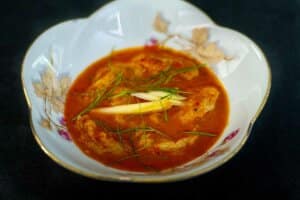
c1933 An Auspicious fish ball curry with two basils (แกงเผ็ดปลาเล็กปลาน้อย; gaaeng phet bplaa lek bplaa naawy)
Typically, in Central-style curries, different types of basil are not used together. In higher cuisine, it is an unstated – but understood – practice to avoid blending the definitive scents of various basils. A curry’s final herbal identity is intended to remain definitively with its basil: the citrus notes of holy basil; the spicy-woody and pungent flavor of tree basil; the tart fragrance of lemon basil; or the cooling anise sensation of Thai basil.
Thai Curries: The Professional Chef's Guide - แกงไทย
Chili Choices in Curry - Crafting Flavor, Heat, and Aroma
The type of chilies – fresh, dried or rehydrated – and how they are processed into the curry paste have a significant influence on the dish’s flavor, color, aroma and heat profile. Fresh chilies inject an immediate, sharp spike of heat that rushes in with a piercing, punctuating intensity, a grassy aroma and fruity liveliness. Dried chilies, on the other hand, impart a subtle warmth alongside rich, earthy notes that gradually build up into a steady, lingering burn. The choice of the chili variety will also shape the curry’s flavor. Through an informed selection and processing of chilies, cooks can navigate between mild and spicy, fruity and earthy, and bright and mellow flavors, creating a complex and nuanced heart for their curries.
1
2
3
Get Access – Join Thaifoodmaster Today
Practical and kitchen-tested recipes with a mix of theory, history, psychology, and Siamese culture tidbits.
-
Get access to everything right away. Unlock more than 50 Masterclasses, over 700 recipes and Articles
Access to Thaifoodmaster’s constantly growing library of prime professional classes, articles, recipes and videos on Siamese culinary topics, available nowhere else in English.
-
GET EXTRA - New Masterclasses and Daily Recipes
Gain access to NEW masterclasses as they become available. Access DAILY translations of heritage-recipes.
-
1-1 support from Hanuman
1-1 support from Hanuman to help you achieve your professional Thai culinary goals
-
Live Q&A Sessions
The opportunity to join a monthly live two-hour videoconference where I can answer your questions.
-
Great Value!
one year access for the price of 3 days in-person training.
You will get everything you need to:
-
To Get inspired
When you design or build a new menu for an event or restaurant or even prepare for dinner with friends.
-
To Satisfy your curiosity.
Finally !
-
To Master Your Craft
Master your Thai cooking skills and expand your repertoire.
It is truly brilliant with a revolutionary approach introducing aspects and concepts never broached by cookbooks.

Ian Westcott
Sourcing Wines for Discerning Private Clients
© 2008 – 2026 Thaifoodmaster


