
Celebrating the Art of Siamese Culinary Wisdom and Thai Cuisine
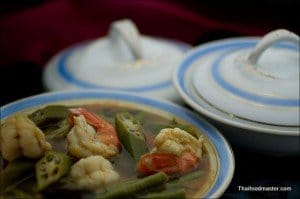
สูตรทำแกงส้มมอญกระเจี๊ยบกุ้ง
Gaeng som recipe: Sour curries are without doubt one of Thai cuisine all-time favorites, free from foreign influence and with many regional variations they present a complex balance of four flavors while using only few ingredients, all find a pleasing harmony in one dish.
There are the sourness of the tamarind paste, the saltiness of the fermented shrimp paste and fish sauce, the natural sweetness of the prawns and the vegetables and of course the peppery heat from the chilies. This easy curry paste is as rich as it is simple; the flavor offers a world of depth in a truly innovative combination of flavors.
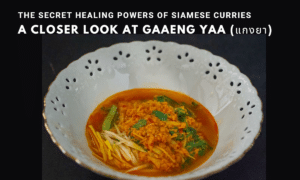
The Secret Healing Powers of Siamese Curries – A Closer Look at Gaaeng Yaa (แกงยา)
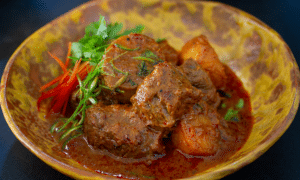
Perfumed Braised Beef and Potato Curry with Three Gingers, Thai Basil and Bitter Orange (แกงเนื้อใส่เปราะหอมสดและส้มซ่า; Gaaeng Neuua Sai Bpraw Haawm Soht Lae Sohm Saa)
Discovered in a memorial book for the funeral of SubLt. Soophoht Jeungpraphaa (ร.ต. สุพจน์ จึงประภา) (1925-1966), this beef and potato curry dish unites two distinct curry styles: Massaman curry, known for its sweet and warming complexity of dry spices, punctuated by the vibrancy of bitter orange juice; and gaaeng phet (แกงเผ็ด) spicy curry, dominated by a basil herbal identity. The recipe maintains a sense of traditional elegance despite the startlingly unusual culinary fusion; as these two cooking styles are woven together, their spiced comfort, earthy warmth, citrusy freshness, and cool herbaceous notes meld in a gentle refinement. Drawing upon familiar and novel elements, this curry is both comforting and stimulating.
Massaman curry typically presents as a deep, rich dish. Its unique flavor profile is derived predominantly from a range of dry spices that point to its Persian-inspired roots in Siamese cuisine, along with a curry paste that exudes a sense of freshness. The dried chilis are roasted to deepen their color; the rest of the ingredients, such as the shallots, garlic and dry spices, are roasted too, individually, before being pounded into the paste. Conversely, the gaaeng phet (แกงเผ็ด) curry integrates dry spices more sparingly and is known for flavor qualities that are based on a phrik khing (พริกขิง) paste made of fresh aromatics and a basil herbal identity.

แกงเผ็ดปลาไหลทรงเครื่อง
ตำรับปลาไหลนี้ ปัจจุบันมักจะคิดว่าเป็นแต่สำรับของชาวบ้าน หรือเป็นแค่อาหารลูกทุ่งเท่านั้น ความจริงแล้ว อาหารตำรับปลาไหลเป็นอาหารทั่วไปของคนทุกชนชั้น ทั้งไพร่สามัญชน ผู้ดีชาวกรุง หรือเจ้านายในรั้วในวัง ต่างมีตำรับแกงปลาไหลขึ้นสำรับทั้งนั้น ที่มีเขียนบันทึกไว้ก็มีหลายตำรับเลยทีเดียว เช่น ตำรับของหม่อมส้มจีน ตั้งแต่ ร.ศ. 109 มี "ต้มเปรตปลาไหล". ตำรับแม่ครัวหัวป่าก์ ของท่านผู้หญิงเปลี่ยน ภาสกรวงษ์ ตำรับวังมหานาค โดย ม.จ.หญิงวิมลปัทมราช จิรประวัติ ก็มี "แกงปลาไหล" ตำรับที่พิมพ์จำหน่ายในช่วง"รัฐนิยม"สมัยจอมพล ป. พิบุลสงคราม พิมพ์เมื่อ พ.ศ.2485 ก็มี "แกงเผ็ด ปลาไหลซงเครื่อง" หรือแม้แต่ที่เข้ากับสำนวนเกลียดปลาไหลกินน้ำแกงตรงเผง ไม่ชอบปลาไหล แต่อยากกินแกงปลาไหล ชาววังในสำนักพระวิมาดาเธอฯ นิยมใช้ปลาดุกมาแกงแทนปลาไหล ตามที่ม.ล.เนื่อง นิลรัตน์ ข้าหลวงในสมเด็จพระเจ้าบรมวงศ์เธอเจ้าฟ้านิภานภดล วิมลประภาวดีกรมขุนอู่ทองเขตขัตติยนารี บันทึกไว้ถึง "แกงปลาดุกอย่างปลาไหล" เอาใว้ด้วย
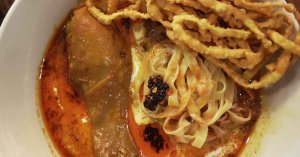
ข้าวซอยไก่
This dish (Khao Soi Recipe) takes us back in time to the mid-19th century. The trade caravans were trailing the jungles of northern Thailand along the ancient routes between India and China. Those long caravans were carrying wealth of exotic goods, leaving rich aroma of spices and the sweet scent of opium as they passed.
The men on this long line of between fifty and one hundred mules would be Yunnanese Muslim Chinese, who dominated the trade routes and began to settle in Chiang Mai and the main towns of north Thailand at that time.
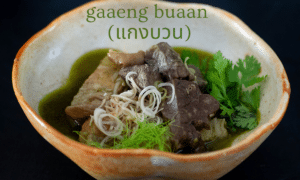
The Story of Gaaeng Buaan (แกงบวน) – The Oldest Siamese Dish?
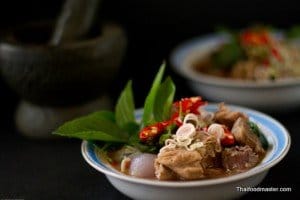
แกงรัญจวน
แกงโบราณชนิดนี้ เริ่มกลับมาเป็นที่นิยมอีกครั้งหนึ่ง หลังจากพอมีร้านอาหารไทยบางร้านนำตำรับนี้ไปบรรจุเป็นหนึ่งในเมนู และจากหนังสืออัตตชีวประวัติของ ม.ล. เนื่อง นิลรัตน์ ผู้เขียนเรื่องราวชีวิตในสำนักพระวิมาดาเธอ กรมพระสุทธาสินีนาฏ ปิยมหาราช ปดิวรัดดา แหล่งขึ้นชื่อเรื่องฝีมือปรุงอาหารในช่วง รัชกาลที่ ๕ ถึงสมัยรัชกาลที่ ๗ และอีกหนึ่งสาเหตุก็มาจากบทละครย้อนยุคยอดนิยม เมื่อไม่นานมานี้ เกี่ยวกับเรื่องคุณชายแห่งราชตระกูลหนึ่ง ๕ คน ที่มีเรื่องราวความรักโรแมนติกในการหาคู่ครอง มีการพิสูจน์คุณสมบัติ ของตัวเอกฝ่ายหญิงที่เหมาะสมจะมาเป็นคู่ครองของคุณชายทั้ง ๕ ซึ่งแบ่งเป็นตอน ๆ ละคน รวม ๕ ตอน และมีตอนหนึ่งกล่าวถึงเรื่องราวที่ทำการพิสูจน์ความสามารถของนางเอกด้วยการทำ “แกงรัญจวน” ซึ่งเป็นอาหารเริ่มต้นจากในวังสวนสุนันทา มาเป็นเนื้อหาของบทละคร บรรดาแฟนละครเลยตามหาสูตรกันใหญ่ ที่พึ่งของแหล่งข้อมูล ก็ดูจะหนีไม่พ้นในกูเกิ้ล ในบางเว็ปไซด์ในอินเตอร์เน็ต
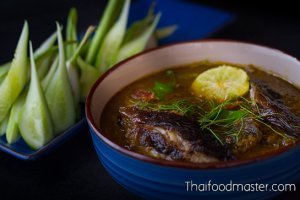
แกงไตปลาปลาดุกย่างโบราณ
แกงไตปลาปลาดุกย่างโบราณ - แกงไตปลา เป็นแกงพื้นเมืองของปักษ์ใต้ ที่มีความหลากหลายพอสมควร คือมีทั้งแกงประเภทใส่กะทิและไม่ใส่กะทิ แต่ที่เหมือนกันทุกท้องถิ่นคือ เครื่องพริกแกงต้องเผ็ด ใส่ทั้งพริกสดและพริกแห้ง และเป็นแกงรสจัด ม.ล.เนื่อง นิลรัตน์ ได้เล่าเอาไว้ว่า "เจ้านครส่งคนครัวมาสอน เดิมจะมีรสชาติเผ็ดมาก เปรี้ยวหูฉี่ พอมาถึงในวัง ก็ต้องแผลงให้เข้ากับภาคกลาง โดยนำมาดัดแปลงใส่ปลากรอบ ปลาย่าง ผักไม่ใส่รวมลงไป เวลาจะรับประทานก็รับกับผักสดที่จัดไว้ มีสะตอ ลูกเนียง...
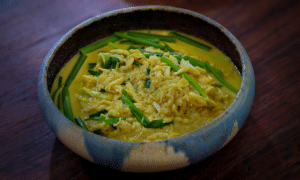
Crab and Spring Onion Coconut-Based Curry (แกงคั่วปูกับต้นหอม; Gaaeng Khuaa Bpuu Gap Dtohn Haawm)
Preparing a crab curry is an exercise in culinary diplomacy, wherein the challenge lies in negotiating the distinct flavors of land and sea into a cohesive understanding and capturing the perfect balance. This golden gastronomic horizon is where the delicate whispers of the ocean meet earth’s bold declarations – and at its core is a straightforward question: How do we craft a curry that testifies, via crab, to the ocean’s bounty, yet remains grounded in the earth’s aromatic flora, with roots like galangal and turmeric?
In addition, it is challenging to create a curry that is luxuriously creamy, yet light and not too greasy; where the crab’s delicate natural sweetness surfaces as a pleasant sea breeze, levitating above the pitfalls of being too fishy or overly sweetened. Another hurdle is achieving the precise color – produced by red chilies, golden turmeric and peppercorns – that reflects the culinary traditions of southern seashore fishing communities. I like mine set to about a 70:30 ratio of yellow to red and, if using black peppercorns, with a deep brown undertone.
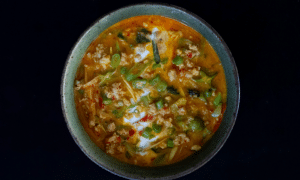
Pork and Three Beans Minced-Bird Style Curry with Fingerroot and Holy Basil (แกงคั่วหมูสับถั่วพู; Gaaeng Muu Sap Thuaa Phuu)
This contemporary minced-bird style curry uses pork rather than bird. However, since thicker, meatier curries have become associated in modern Thai cuisine with the bold presence of fingerroot – for example, in dishes such as fermented rice noodles in naam yaa thick fish curry (khanohm jeen naam yaa (ขนมจีนน้ำยา)) – this dish adopts the penetrating aromatic character of fingerroot along with the clove-like warmth of holy basil.
Like crisp footsteps in a forest, this satisfyingly meaty curry features vibrant fresh red chilies and thinly sliced yardlong beans and winged beans. It is suitable to serve with rice or with fermented rice noodles (khanom jeen paeng mak), conveying an aromatic upcountry flair.
Chili Choices in Curry - Crafting Flavor, Heat, and Aroma
The type of chilies – fresh, dried or rehydrated – and how they are processed into the curry paste have a significant influence on the dish’s flavor, color, aroma and heat profile. Fresh chilies inject an immediate, sharp spike of heat that rushes in with a piercing, punctuating intensity, a grassy aroma and fruity liveliness. Dried chilies, on the other hand, impart a subtle warmth alongside rich, earthy notes that gradually build up into a steady, lingering burn. The choice of the chili variety will also shape the curry’s flavor. Through an informed selection and processing of chilies, cooks can navigate between mild and spicy, fruity and earthy, and bright and mellow flavors, creating a complex and nuanced heart for their curries.
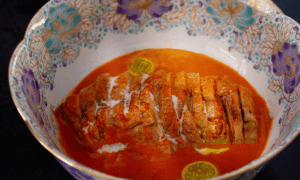
Pan Roasted Duck Breast and Hairy-Fruited Eggplant Curry (แกงเป็ดคั่วมะอึก; gaaeng bpet khuaa maeuk)
The hairy-fruited eggplant, known as ‘maeuk’ in Thai, is similar to the tomato in its unique confluence of sweetness, fruitiness, and savoriness. This ingredient is used in a wide range of Siamese dishes, including curries, salads, relishes, and seasoned rice dishes. This recipe, from the central region of Thailand, is a traditional duck khuaa sohm curry (แกงคั่วส้มเป็ด) that commonly uses garden ingredients to achieve sourness, including the madan (garcinia schomburgkiana) (มะดัน), the sour bilimbi fruit (averrhoa bilimbi) (ตะลิงปลิง), and the hairy-fruited eggplant.
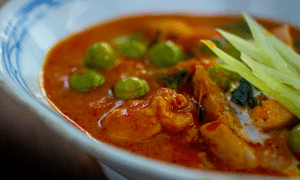
c1941 Old-Fashioned spicy curry of chicken with young chilies (แกงเผ็ดแบบโบราณอย่างคุณถนอม ปาลบุตร พ.ศ. 2484 ; gaaeng phet baaep bo:h raan)
This is a classical Siamese spicy curry that displays a spicy, salty and sweet flavor profile, and uses common curry ingredients such as pea eggplants and young green chilies with an interesting dry spice profile.
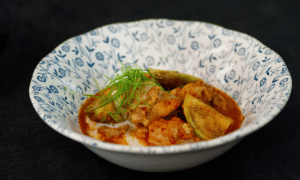
Chiang Mai-Style Chicken Gaaeng Garee (แกงเผ็ดกะหรี่เชียงใหม่ ; gaaeng phet garee chiang mai)
I discovered this unusual curry recipe hidden in a 1970 memorial book for Ms. Bootree Gralaksa. Born in Bangkok in 1898, Ms. Bootree spent her entire life, from childhood on, in a wooden house on Maha Chak Road (Pra Nakorn). One could say that she was born to be a great cook; just fourteen years old when her mother died, Ms. Bootree became the sole caregiver for her four siblings, a duty that she performed with a love and attention that endowed her with remarkable cooking skills. Her memorial book showcases now-forgotten dishes that were popular in the Bangkok of the early 1900s, such as Beautiful Curry (แกงหงษา ; Gaaeng Hohng Saa), and also includes some of her one-of-a-kind culinary creations – such as this dish, which she dubbed “Chiang Mai-Style Spicy Curry”.
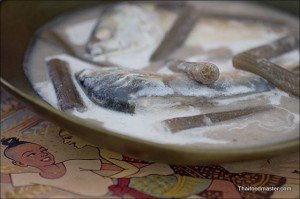
แกงกะทิสายบัวปลาทูนึ่ง
This old-fashioned Thai coconut curry dish is a simple expression made with ingredients commonly available to Thais, it features steamed mackerels - the fish that Thai people probably love the best and the stems of the lotus flowers - one of Buddhism's most recognized motifs.
The fish together with peeled lotus stems are boiled in coconut milk, to which a simple yet very aromatic curry paste, made only of white pepper corns, shallots and fermented shrimp paste is added.
Thai Curries: The Professional Chef's Guide - แกงไทย
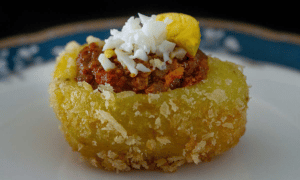
c1935 Stuffed Potatoes with Bitter Orange Fragrant Beef Gaaeng Garee (แกงกะหรี่บรรจุมัน ม.ล. เติบ กำภู ; gaaeng garee ban joo man)
In Anglo-Indian cuisine, potatoes were used liberally in the curries; alongside the favorite sour chutneys, curries were also accompanied by fried, baked, boiled or mashed potatoes. Although the potato gradually found its way into many iconic Indian dishes, and even into Siamese cuisine, the tuber never replaced the rice of South Asia, despite the intentions of both the British and East Indian company officials.
In the 1935 book Sai Yaowapa (ตำรับสายเยาวภา), Princess Yaovabha Bongsanid (พระเจ้าบรมวงศ์เธอ พระองค์เจ้าเยาวภาพงศ์สนิท) reflects the Anglo-Indian style gaaeng garee in her composition of bitter orange-fragrant beef gaaeng garee, which she serves in individual bowls made of fried potatoes, per a recipe recorded by M.L. Terb Gamphu (ม.ล. เติบ กำภู) and M.R. Tuang Sanitwong (ม.ร.ว.เตื้อง สนิทวงศ์).
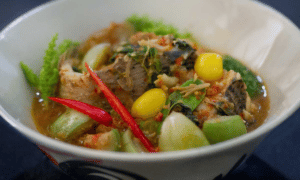
Kanchanaburi-Style Snakehead Fish Jungle Curry with Bitter Yellow Eggplants (แกงป่าปลา ; gaaeng bpaa bplaa)
This recipe is adapted from a recipe I obtained from a jungle food restaurant in Kanchanaburi province. The paste is a downgrade of a phrik khing paste – it omits the coriander roots and shallots. In addition, the recipe substitutes the fermented shrimp paste (kapi) with maawn fermented fish paste (กะปิมอญ; gabpi maawn), which is a popular ingredient among the Mon-Burmese population of the western province. The lack of shallots eliminates any sweetness that might impair the sharpness and heat of the dish. Furthermore, a double hit of citrus notes from holy basil are infused into the dish: from the holy basil flowers added to the paste and the holy basil leaves added to the curry.
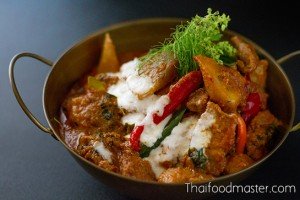
แกงหมูย่างกับกล้วยดิบ
แกงตำรับนี้มีในตำรา "แม่ครัวหัวป่าก์" (เล่มอนุสรณ์ เจ้าจอมพิศว์ ในปี 2514) เจ้าจอมพิศว์ นั้นมีบิดา คือ เจ้าพระยาภาสกรวงศ์ (พร) และมีมารดาคือ ท่านผู้หญิงเปลี่ยน ภาสกรวงศ์ ผู้ที่ริเริ่มเขียนหนังสือตำรากับข้าวแม่ครัวหัวป่าก์ อันโด่งดัง โดยผู้ที่ทำด้านอาหารไทย ต่างเสาะแสวงหากัน โดยเฉพาะพิมพ์ 1 นั้นเอง เจ้าจอมพิศว์นั้น มีพี่น้องร่วมบิดา และมารดาเดียวกันคือ จมื่นศรีสรรักษ์(เพ่ง บุนนาค), นาย ราชาณัตยานุหาร (พาสน์ บุนนาค) หม่อม พัฒน์ รัชนี (หม่อมในพระราชวรวงศ์เธอ กรมหมื่นพิทยาลงกรณ์) และคุณหญิงพวง ดำรงค์ราชพลขันธ์ (ภรรยา พลเรือโท พระยาดำรงค์ ราชพลขันธ์) (กร บุนนาค) และในตำราเก่าๆอีกหลายเล่มเช่นกัน เคยเห็นเชฟระดับประเทศบางท่านนำเสนอในนิตยสารไว้ด้วยเมื่อหลายปีมาแล้ว แกงนี้มีส่วนประกอบง่ายๆอีกเช่นกัน มีหมูย่าง กล้วยดิบ พริกแกง กะทิ พริกแดง ใบมะกรูด และ ใบกระเพราแดงและดอก เพียงเท่านี้
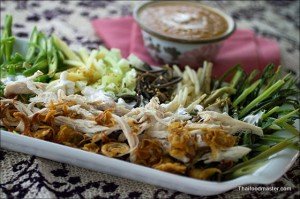
ยำทวาย
This recipe would probably change your perception about the term "salad", maybe because its dressing has a multi layered, curry-like personality, rather than the common sour vinaigrette-like dressing, or maybe because it takes some good few hours to prepare, somewhat longer than simply opening a bag of hydroponic greens.
This salad is the fruit of the dedication of court ladies from aristocratic households, that for centuries perfected and elaborated on the art of cooking through detailed and calculated process, to create sophisticated dishes that are not only delicious but also very healthy and visually pleasing.
These ladies made a very large commitment for small things, and they attended all their time and efforts to make minor things better and getting the small things just right.
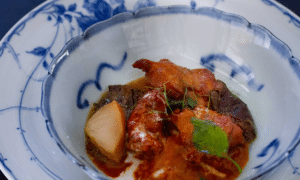
Duck Curry with Prunes and Apples (แกงเป็ดกับพรูนและแอปเปิ้ล อย่าง ม.ล. เติบ ชุมสาย; gaaeng bpet gap phruun lae aaep bpeern)
When it comes to pairing fruits with meats in savory dishes, it’s hard to match the bold tangy-luscious combination of apples and prunes in this old-fashioned coconut-based spicy curry with braised duck. The dish is seasoned to a spicy, salty, and sour-sweet flavor profile, which is further intensified by the prunes’ subtle nectareous, savory-sweetness and the apples’ fruity, sweet-tartness. This curry is a perfect example of how fruits can complement the already complex and profound aromatic relationships between meaty-savory flavors, the curry paste’s aromatic identity, and the dish’s herbal character of Thai basil and fresh peppercorns – creating a most memorable flavor impression.
1
2
3

Get Access – Join Thaifoodmaster Today
Practical and kitchen-tested recipes with a mix of theory, history, psychology, and Siamese culture tidbits.
-
Get access to everything right away. Unlock more than 50 Masterclasses, over 700 recipes and Articles
Access to Thaifoodmaster’s constantly growing library of prime professional classes, articles, recipes and videos on Siamese culinary topics, available nowhere else in English.
-
GET EXTRA - New Masterclasses and Daily Recipes
Gain access to NEW masterclasses as they become available. Access DAILY translations of heritage-recipes.
-
1-1 support from Hanuman
1-1 support from Hanuman to help you achieve your professional Thai culinary goals
-
Live Q&A Sessions
The opportunity to join a monthly live two-hour videoconference where I can answer your questions.
-
Great Value!
one year access for the price of 3 days in-person training.
You will get everything you need to:
-
To Get inspired
When you design or build a new menu for an event or restaurant or even prepare for dinner with friends.
-
To Satisfy your curiosity.
Finally !
-
To Master Your Craft
Master your Thai cooking skills and expand your repertoire.
It is truly brilliant with a revolutionary approach introducing aspects and concepts never broached by cookbooks.

Ian Westcott
Sourcing Wines for Discerning Private Clients
© 2008 – 2026 Thaifoodmaster


