
Celebrating the Art of Siamese Culinary Wisdom and Thai Cuisine
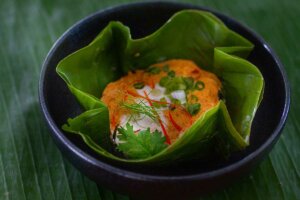
Haaw mohk steamed savory curried fish cakes (ห่อหมกปลา ; haaw mohk bplaa)
This recipe is for a coconut-based haaw mohk featuring clown featherback fish meat (เนื้อปลากราย) and slices of firm snakehead fish (ปลาช่อน). It is a classic recipe that follows the ancient haaw mohk tradition with a contemporary accent.
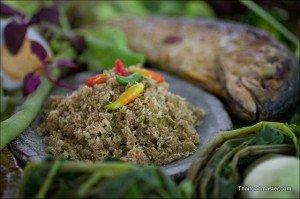
สูตรทำน้ำพริกตะไคร้
น้ำพริกเป็นอาหารที่อยู่คู่กับชีวิตคนไทยมาตั้งแต่โบราณ ซึ่งสูตรน้ำพริกต่าง ๆ ที่เรารู้จักกันในปัจจุบันหลาย ๆ สูตรนั้นได้มีการพัฒนามาจากการโขลกพริกกับเกลือในสมัยอยุธยา ในวันนี้หนุมานมานำเสนอสูตร "น้ำพริกตะไคร้" ซึ่งเป็นน้ำพริกโบราณและเป็นอาหารที่รัชกาลที่ 5 ทรงโปรดปราณมากอย่างหนึ่ง
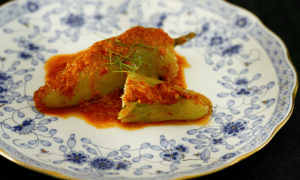
Chuu Chee Curry of Stuffed Banana Chilies with Pork, Shrimp and Crab Meat (ฉู่ฉี่พริกสอดไส้ ; chuu chee phrik yuaak saawt sai)
This chuu chee features avocado-green banana chilies and the pinkish mixture of pork, shrimp and crab meats. The chilies are sliced open and stuffed with a mixture of the meats, which is seasoned with the basic saam gluuhr (สามเกลอ) paste – the Siamese trio of coriander roots, Thai garlic and white peppercorns. The stuffed chilies are then steamed before being cooked in a thick, reddish, coconut cream-based curry. The liquids collected in the tray during the steaming process are packed with the light sweet fruitiness of the banana chilies; these liquids are reserved and added to the broth, producing a bright and light-bodied dish.
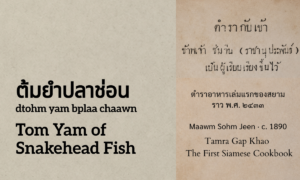
Tom Yam of Snakehead Fish (ต้มยำปลาช่อน; dtohm yam bplaa chaawn)
Dtohm yam bplaa chaawn: snakehead fish in milled-rice broth, the chili jam pounded off the fire and dissolved in the bowl. Tamra Gap Khao, 1890.
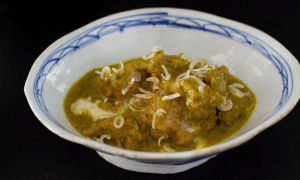
The Contrasting Histories of Gaaeng Rawaaeng (แกงระแวง) - Turmeric-Infused Coconut-Based Thick Curry of Braised Duck and Lemongrass
Gaeng rawang (แกงระแวง) is a curry bearing an unusual name and contradictory accounts regarding its appearance, lineage and origins. When I cook this dish, it is a rich and thick coconut-based curry made with a paste of fresh chilies, aromatics, spices and generous amounts of fresh turmeric, which adds warmth and gives the green chili color a slightly earthier, muted tone that resonates beautifully with the duck meat.
The duck meat is prepared separately and slow-braised in coconut cream before being cooked in the curry. This slow-braising process allows the coconut cream and duck’s fattiness to melt together, resulting in moist and flavorful meat with a hint of sweetness. The curry itself is seasoned to a salty and slightly sweet flavor profile.
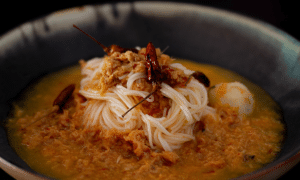
Khanohm Jeen Naam Yaa (ขนมจีนน้ำยา) - Fermented Rice Noodles with Minced Fish in Aromatic Coconut Curry
In the Central Plains of the Kingdom, fermented rice noodles are inextricably linked to a dish known as naam yaa. Composed of a dense, coconut-based minced fish curry, the dish is infused with layers of salted fish and possesses the distinctive, invigorating and purifying notes of fingerroot. Typically, naam yaa is served with fresh lemon basil as the herb of choice along with an array of side dishes collectively known as meuuat khanohm jeen (เหมือดขนมจีน). These include blanched bean sprouts seasoned with a touch of turmeric for color, fresh lemon basil leaves, thinly sliced three colored chilies, and ground chili for added heat. More elaborate versions will add blanched Chinese bitter gourd slices, batter-fried young morning glory shoots, and fresh shrimp minced and fried with its tomalley in pork lard, as well as crispy-fried shallots as the finishing touch.
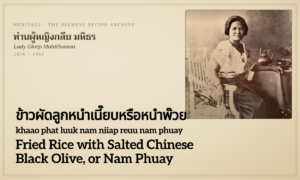
Fried Rice with Salted Chinese Black Olive, or Nam Phuay (ข้าวผัดลูกหนำเนี๊ยบหรือหนำพ๊วย; khaao phat luuk nam niiap reuu nam phuay)
Khao phat luk nam nieb: salted Chinese black olive, shelled and mashed fine, tossed through rice. Lady Gleep Mahithaawn, 1949.
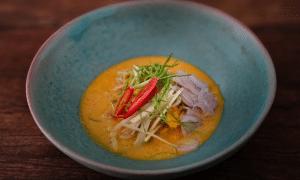
Citrus-Infused Crumbled Duck Egg Yolk Salad (ไขเค็มพล่า; Khai Khem Phlaa)
This vibrant salad combines the richness of crumbled duck egg yolks with the zesty notes of citrus and aromatic herbs.
Set against a backdrop of aromatics, the crumbled essence of cured duck egg yolks glow in a delicate orange-gold shade, evoking a shimmering sunlit dawn. The cured yolks bestow a rich, briny base that acquires even deeper undertones when seasoned with fish sauce and sugar. This base takes on a luxuriously silky texture, reminiscent of a finely whipped mousse, when mixed with juices of lime and kaffir lime, which also give the mix a crisp, clean citrusy finish.
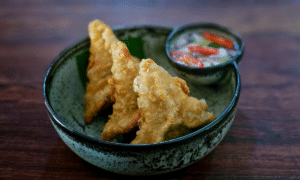
The Elegance of Khanohm Khaang Khaao (ขนมค้างคาว)
If palaces represent grandeur and wealth within a society, and poems often focus on emotional experience or the beauty of language, then the significance of a dumpling may be inferred by its structured elegance and minimalism – each fold and pleat a deliberate act, and each filling a curated experience constructing comfort in its most elemental form.
Khanom khaang khaao (ขนมค้างคาว) is a traditional Siamese fried, triangular-shaped dumpling with obvious Chinese origins. Its earliest recorded recipe can be traced back to Jao Khraawk Thaawng Yuu (เจ้าครอกทองอยู่), a distinguished aristocrat from the royal court of Ayutthaya. Historical records indicate that, from the early days of the Rattanakosin era, her recipe was a favored snack within the Siamese royal court.
These dumplings are shaped like triangles and, according to some, resemble bats: For this reason, they are called khanom khaang khaao (ขนมค้างคาว) – ‘the bat’s treat’. The dumpling’s dough is made from rice and mung bean flours; its filling is prepared by combining grated coconut and shrimp meat, which are cooked together into a dense, flavorful mixture that brings out the nutty-sweet taste of the grated coconut and the savory-sweet flavors of the shrimp. Kaffir lime leaves, sliced into hair-thin juliennes, add a hint of citrus.

Fried fermented shrimp paste relish with green apples by Princess Jongjittanom Dissakul (น้ำพริกลูกแอปเปิ้ลผัด อย่าง หม่อมเจ้าหญิงจงจิตรถนอม ดิศกุล ; naam phrik luuk aaep bpeern phat)
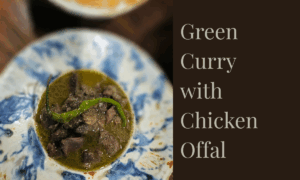
Yogurt-Based Ancient Green Curry with Chicken Offal (แกงเขียว; gaaeng khiaao)
Mrs. Yim Pichaiyat Bunnag (คุณยิ้ม พิชัยญาติ บุนนาค)'s 1920s aristocratic green curry reveals a forgotten chapter in Thai culinary history. This Muslim-style recipe uses ghee and yogurt instead of coconut milk, featuring chicken offal—liver, gizzard, and heart—each contributing distinct textures and concentrated flavors. Roasted spices like cinnamon, clove, and cardamom create warming aromatics, while fresh chilies provide signature heat. The dish documents how Bangkok's noble kitchens adapted Islamic cooking techniques before democratization, preserving methods that would shape modern Thai cuisine.
The Art of Siamese Duck Curries - Theory and Practice (แกงเป็ด - ศิลปะ ทฤษฎี และ การปฏิบัติ)
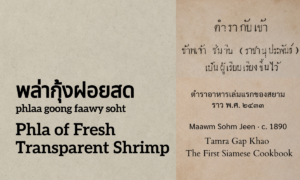
Phla of Fresh Transparent Shrimp (พล่ากุ้งฝอยสด; phlaa goong faawy soht)
Phlaa goong faawy soht, raw transparent shrimp dressed whole and unpeeled with mint, from Maawm Sohm Jeen's Tamra Gap Khao, c. 1890.
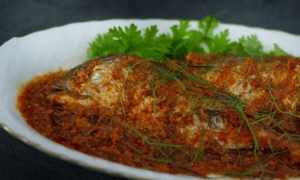
c1908 Chuu Chee with Mackerel (ฉู่ฉี่ปลาทู ; chuu chee bplaa thuu)
A salty-sweet, water-based chuu chee dish that features a thick, almost dry sauce. The deep burnt-red and shiny chuu chee sauce clings to the skin of the crispy mackerel, gold-colored from frying the fish in pork lard. The aromatic profile of the chuu chee complements the mackerel's rich, full-bodied flavor. Although chuu chee is usually made using freshwater fish, saltwater fish, especially mackerel, is featured in chuu chee dishes prepared along the coasts of the Central Plains. This is especially common during the rainy season, when the mackerel is plentiful and of excellent quality.
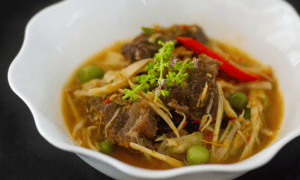
Saen Tung-Style Jungle Curry with Beef and Bamboo Shoots (แกงป่าเนื้อใส่หน่อไม้ แบบแสนตุ้ง; gaaeng bpaa neuua sai naaw mai baaep saaen dtoong)
This is my take on the famous jungle curry from the Saen Tung district in Trat province. In Trat it is usually cooked with game meat and thinly sliced pineapple shoots (แขนงสับปะรด).
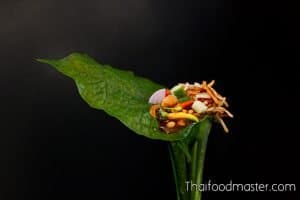
เมี่ยงคำ
ค้นข้อมูลดูว่าตำรับ "เมี่ยงคำ" เริ่มปรากฏมีบันทึกไว้เป็นลายลักษณ์อักษรแต่เมื่อใดกันแน่ สอบทานดูตำราอาหารเก่า ๆ หลายตำรับ ที่ตีพิมพ์ในสมัยรัชกาลที่ ๕ ก็ไม่พบ "เมี่ยงคำ" ในวิถีอาหารไทยโบราณแต่อย่างใด พบแต่ เมี่ยงลาว หรือ เมี่ยงพายัพ ซึ่งหมายถึงเมี่ยงที่มาจากทางเหนือ จากการอ่านหนังสือหลาย ๆ เล่ม เพื่อหาข้อมูลพบว่า "เมี่ยง" ได้เริ่มเป็นที่นิยมแพร่หลายในรั้วในวัง ก็หลังจากที่พระราชชายาเจ้าดารารัศมี ลงมารับราชการในราชสำนักที่กรุงเทพฯ และได้นำวัฒนธรรมการกินเมี่ยง ซึ่งเป็นหนึ่งในวิถีการดำรงชีวิตแบบล้านนาติดมาในหมู่ข้าราชบริพารชาวเหนือในตำหนักของพระองค์ ซึ่งบรรดาชาววังในสมัยนั้นจะเห็นเป็นสิ่งแปลกตาโก้เก๋ และคอยเอาอย่างในบางเรื่อง ทำให้หลังจากนั้นจึงค่อยเริ่มมีตำรับเมี่ยงต่าง ๆ ออกมามากมาย ปรากฏในตำราอาหารหรือเครื่องว่างต่าง ๆ ของไทยในสมัยต่อ ๆ มา สำหรับ "เมี่ยงคำ" นั้น พบว่ามีปรากฏครั้งแรก ในบทกาพย์เห่ชมเครื่องว่าง ของรัชกาลที่ ๖ ที่ใช้เป็นบทนำในตอนต้นบทความนี้ ซึ่งนั่นก็แสดงว่า "เมี่ยงคำ" กลายเป็นเครื่องว่างในวังหลวงเป็นที่นิยมกันมากแล้วในสมัยนั้นถึงสามารถขึ้นโต๊ะเครื่องเสวยได้ จึงเป็นข้อสันนิษฐานว่าน่าจะมีกำเนิดมาไม่เก่าไปกว่าสมัยรัชกาลที่ ๕ เป็นแน่แท้ ตำรับ "เมี่ยงคำ" คงจะเกิดจากการคิดประดิษฐ์ทำนำสิ่งละอันพันละน้อย ใส่ไปในคำเมี่ยง พร้อมใส่น้ำเมี่ยง เพื่อรับประทาน ทีละคำ ๆ จึงได้ชื่อว่า "เมี่ยงคำ" เหมือน ๆ หรือทำนองเดียวกันกับ "เมี่ยงอยาก" ที่ คุณป้า ม.ล. เนื่อง นิลรัตน์ เขียนบันทึกไว้ในหนังสือ "ชีวิตในวัง" ที่ตีพิมพ์มาแล้วหลายครั้ง ว่าเกิดจากความอยากกินเมี่ยง ของกลุ่มข้าหลวงวังสวนสุนันทา เวลามานั่งจับกลุ่มคุยกันยามว่างภารกิจ และไปค้นหาของในครัว ได้ กากหมู น้ำตาลปึก กะปิ ฯลฯ ก็นำมารับประทานกันเป็น"เมี่ยง" ที่อร่อยอย่างง่าย ๆ
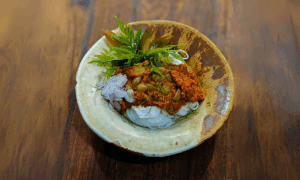
c1933 Khuaa Curry with Bang Chang Chilies (แกงคั่วพริกขี้หนูหรือพริกชี้ฟ้า; gaaeng khuaa phrik baang chaang): Princess Dissakul's Smoky Fish Curry Recipe
Princess Dissakul's 1933 royal Thai curry featuring secretly pounded smoked fish in rich coconut cream with Bang Chang chilies and aromatic phrik khing paste. This complex, smoky curry builds layers of earth and ember, traditionally served over khanom jeen fermented rice noodles and topped with tangy pickled garlic for a perfect balance of smoke, spice, and tang.
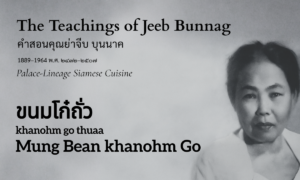
Mung Bean khanohm Go (ขนมโก๋ถั่ว; khanohm go thuaa)
Khanohm go thuaa, a molded palace confection of dry-roasted mung bean flour and coarse-grain sugar, scented with jasmine and ylang-ylang. Jeeb Bunnag, 1933.
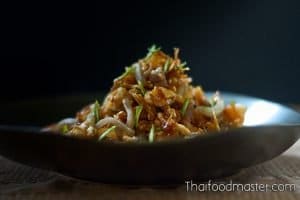
ยำผิวส้มซ่า
พูดถึงอาหารไทยแท้ไทยโบราณ ท่านรู้หรือไม่ว่า พืชชนิดใดที่คนไทยสมัยก่อนนำมาให้รสเปรี้ยวในสำรับอาหารมากที่สุด ? ถ้าเป็นปัจจุบันจะตอบได้ง่าย ๆ ว่าเป็น "มะนาว" แต่สมัยก่อนนั้น ไม่ใช่เลยขอรับ คนไทยอาศัยความเปรี้ยวจาก"มะขาม" มากที่สุด ใช้ทั้งยอดอ่อน ดอก ฝักอ่อน และ โดยเฉพาะมะขามเปียก แต่ทราบไหมขอรับว่า ส่วนใหญ่น้ำมะขามเปียกมักไม่ใช่องค์ ประกอบเด่นในอาหารไทย ตัวมะขามเปียกเอง ก็นำมาทำเป็นอาหารหลักไม่ได้ ไม่เคยมีตำรับ ยำมะขามเปียก แกงมะขามเปียก หรือ มะขามเปียกลอยแก้ว แต่อย่างใดเลย อย่างที่เห็นก็แค่เป็นเครื่องดื่ม ในกลุ่มน้ำปานะ ที่ภิกษุในศาสนาพุทธสามารถฉันได้ในยามวิกาล เช่น น้ำมะขาม
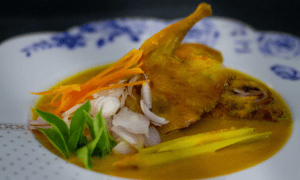
Curry of yellow chilies with whole quail, fresh turmeric and lemon basil (แกงเผ็ดนกกระทาพริกเหลืองสด; gaaeng phet nohk grathaa phrik leuuang soht)
Salty leading and sour-sweet to follow, this coconut-based gaaeng phet spicy curry might be made of chilies, but it is fruitier than it is spicy, and lighter than it is dense. Originally cooked with the meat of game birds, it retains a surprisingly light body that opens space for the birds to fly. The curry is tinted golden orange from a paste imbued with fresh yellow chilies and turmeric; it is perfumed with lemongrass and lemon basil leaves.
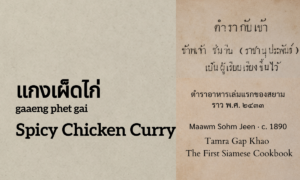
Spicy Chicken Curry (แกงเผ็ดไก่; gaaeng phet gai)
Gaaeng phet gai, chicken simmered in a pork-lard-fried red curry paste with optional brandy or sherry. From Maawm Sohm Jeen's Tamra Gap Khao, c. 1890.
1
2
3
4
5
6
7
8
9
10

Get Access – Join Thaifoodmaster Today
Practical and kitchen-tested recipes with a mix of theory, history, psychology, and Siamese culture tidbits.
-
Get access to everything right away. Unlock more than 50 Masterclasses, over 700 recipes and Articles
Access to Thaifoodmaster’s constantly growing library of prime professional classes, articles, recipes and videos on Siamese culinary topics, available nowhere else in English.
-
GET EXTRA - New Masterclasses and Daily Recipes
Gain access to NEW masterclasses as they become available. Access DAILY translations of heritage-recipes.
-
1-1 support from Hanuman
1-1 support from Hanuman to help you achieve your professional Thai culinary goals
-
Live Q&A Sessions
The opportunity to join a monthly live two-hour videoconference where I can answer your questions.
-
Great Value!
one year access for the price of 3 days in-person training.
You will get everything you need to:
-
To Get inspired
When you design or build a new menu for an event or restaurant or even prepare for dinner with friends.
-
To Satisfy your curiosity.
Finally !
-
To Master Your Craft
Master your Thai cooking skills and expand your repertoire.
It is truly brilliant with a revolutionary approach introducing aspects and concepts never broached by cookbooks.

Ian Westcott
Sourcing Wines for Discerning Private Clients
© 2008 – 2026 Thaifoodmaster


