Online Siamese Culinary Masterclasses for Professional Chefs and Thai food enthusiasts

In my masterclasses, for the first time in the English language, I reveal the culinary secrets hidden in old and hard-to-find Siamese cookbooks and recipes dating from the late 19th century to modern days. 

Get unlimited access to Thaifoodmaster’s constantly growing library of prime professional masterclasses, articles, recipes and videos on Siamese culinary topics, available nowhere else in English.

Online membership: 
Masterclasses, Articles, Recipes, Daily Heritage Translations.
Professional Guides: Siamese Chili Relishes (น้ำพริก และ เครื่องจิ้ม), Thai Curries (แกงไทย), Thai Salads (เรื่องยำๆ) and The art of Siamese old-school menu design (สํารับอาหารไทย).

In-person workshops: 
Chiang Mai, 2026. Limited spaces.

Masterclasses

Practical and kitchen-tested recipes with a mix of theory, history, psychology, and Siamese culture tidbits.
1
2
3
4
5
6

Articles and Recipes

naam phrik roy rot
Kapi pla, an old-fashioned fermented shrimp paste relish (กะปิพล่า ; gabpi phlaa)
ต้มยำกุ้ง
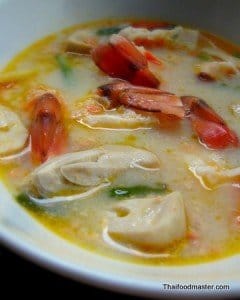
Tom Yam is a type of soup with distinct sharp hot and sour flavors, scented with pleasant citrusy aroma. Tom Yam is known to seduce many westerners to fall in love with Thailand, its people and food. Many trips memories to Thailand were written in diaries, others are etched on film but all are stained by the Tom Yam charm. I still remember with vivid colors my first bowl of Tom Yam, in the night market of the old neighborhood on a hot night in a ragged, unfashionable part of Bangkok. Where the smell of cooking and the glare of florescent lights decorated the alley where JeMoi used to own a restaurant, a very simple and very good one, decorated with cheap bamboo chairs and peeling orange walls. I would enjoy watching the streets of the early night turning into mornings, eating, drinking and sweating. It was hard to say if I was sweating from the hot and humid weather, the cheap whiskey or JeMoi’s spicy food. I still smile when I think of her, standing by my table with a winning smile, as if she knew how much I enjoy the food.
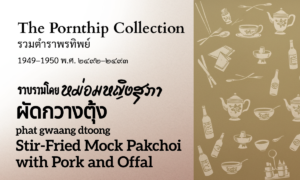
Stir-Fried Mock Pakchoi with Pork and Offal (ผัดกวางตุ้ง; phat gwaang dtoong)
Phat gwaang dtoong: mock pakchoi fried and plated, then covered with pork offal simmered in bone stock until thick. Maawm Ying Soophaa, 1951.
Chilies in Siam - Three Genomes, Four Trade Routes, One Culinary Revolution
Walk into any Thai kitchen today, and chilies seem so fundamental to the cuisine that imagining Thai food without them feels impossible. Yet these fiery plants traveled thousands of miles from the Americas through a journey far more complex than the simple story historians have long told - these foreign fruits would ultimately transform not just flavors but the very appearance of Southeast Asian food, tinting curries red, staining relishes and painting an entire culinary tradition in shades of fire. For centuries, that story went like this: Portuguese traders brought chilies to Southeast Asia in the early 1500s, spreading them from colonial centers in Goa and Malacca throughout the region. Most Southeast Asian societies incorporated chilies within 100-200 years - a remarkably rapid transformation that fundamentally altered how billions of people eat. This narrative is true, but incomplete. New genetic evidence reveals that chilies reached Southeast Asia through multiple networks operating simultaneously: Portuguese merchants, yes, but also Islamic maritime traders, Chinese overland routes, and Indian Ocean merchant communities. Rather than following a single European pathway, chilies arrived through interconnected global trading systems that had been operating for centuries. The story of how Siam got its fire reveals something profound about how cultural exchange actually worked in the early modern world - and how modern research is overturning colonial-era assumptions about who controlled global trade.
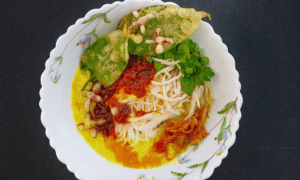
c1908 Fermented rice noodles and golden coconut chicken sauce with an Indian flair (ขนมจีนแขก หรือ ไก่ต้มขนมจีน ; khanohm jeen khaaek)
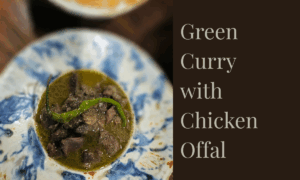
Yogurt-Based Ancient Green Curry with Chicken Offal (แกงเขียว; gaaeng khiaao)
Mrs. Yim Pichaiyat Bunnag (คุณยิ้ม พิชัยญาติ บุนนาค)'s 1920s aristocratic green curry reveals a forgotten chapter in Thai culinary history. This Muslim-style recipe uses ghee and yogurt instead of coconut milk, featuring chicken offal—liver, gizzard, and heart—each contributing distinct textures and concentrated flavors. Roasted spices like cinnamon, clove, and cardamom create warming aromatics, while fresh chilies provide signature heat. The dish documents how Bangkok's noble kitchens adapted Islamic cooking techniques before democratization, preserving methods that would shape modern Thai cuisine.
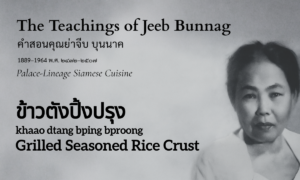
Grilled Seasoned Rice Crust (ข้าวตังปิ้งปรุง; khaao dtang bping bproong)
Khaao dtang bping bproong, rice crust grilled with garlic-lard and fish sauce, brushed on with a banana leaf. Jeeb Bunnag, 1933.
อาจาด - น้ำจิ้มแก้เลี่ยน
Ajat is extremely simple yet elegant, and when you include it side to deep-fry or oily dishes, it is a knockout. Ajat is commonly served alongside Satay, Murtabak, Fish cakes and other deep fried snacks. Its sweet and sour syrup helps to mellow down the oily richness. You can prepare the syrup ahead of time and assemble it just before serving.
ยำดอกขจร
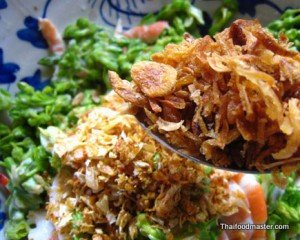
The first Thai restaurant in London was opened during the 1960's by HRH Princess Jurairat Nasiriman (1910-2000) (พระเจ้าวรวงศ์เธอ พระองค์เจ้าจุไรรัตนศิริมาน), the granddaughter of HRH King Mongkut (Rama IV). Princess Jurairat chose to offer this salad on the menu and named it "Salad of Thai Milkweed Flower". (Other names: Cowslip creeper, Telosma Cordata). This fresh and tasty salad is so vibrant and easy for us to enjoy, it takes in the very basic flavors, sweet, salty, hot and sour and wrap them in a creamy coat of reduced coconut cream. The milkweed flower buds retain their crunchiness and their pleasant fragrance with only a gentle and very quick blanching in sweet boiling water.
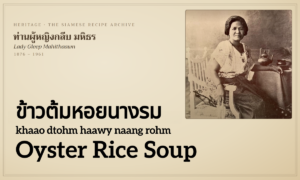
Oyster Rice Soup (ข้าวต้มหอยนางรม; khaao dtohm haawy naang rohm)
Khaao dtohm haawy naang rohm: raw oysters and egg set in the bowl by boiling soup, with a fried-garlic pork lard base. Lady Gleep Mahithaawn, 1949.
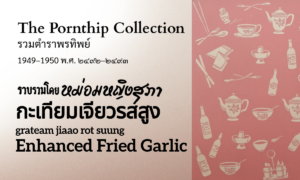
Enhanced Fried Garlic with Bird's Eye Chilies and White Peppercorns (กะเทียมเจียวรสสูง; grateam jiaao rot suung)
Enhanced Fried Garlic, garlic pounded with bird's eye chilies and white peppercorns, fried in lard as a universal flavor enhancer. From Mom Ying Supha, 1949.
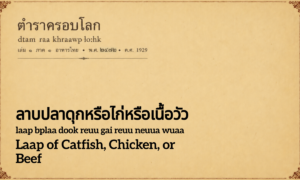
Laap of Catfish, Chicken, or Beef (ลาบปลาดุกหรือไก่หรือเนื้อวัว; laap bplaa dook reuu gai reuu neuua wuaa)
Laap bplaa dook, minced catfish, chicken, or beef with fire-roasted aromatics, hot pla ra, and toasted rice powder. Tamra Khraawp Lo:hk, 1929.
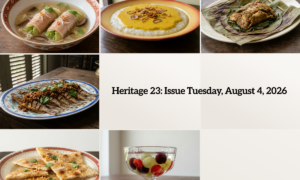
Heritage 23: Issue Tuesday, August 4, 2026
This week's folios: - แกงจืดลูกชิ้นกุ้งกับผักกาดปลี — Mild soup with prawn balls and Chinese cabbage (Jeeb Bunnag, 1933) - ข้าวแขก — Indian-Style Rice - Layered Jasmine Rice and Coconut Milk pudding with Crispy Shallots (Jeeb Bunnag, 1933) - งบปลาอุย — Grilled Catfish Parcels (Jeeb Bunnag, 1933) - ผัดพริกขิงเนื้ออ่อน — Stir-fried Sheatfish with Phrik Khing Paste (Jeeb Bunnag, 1933) - ข้าวตังปิ้งปรุง — Grilled Seasoned Rice Crust (Jeeb Bunnag, 1933) - ลอยแก้วสาวสวรรค์ — Heavenly Maidens Floating in Crystal Syrup (Jeeb Bunnag, 1933)
แกงเหลืองสายบัวปลากะพง
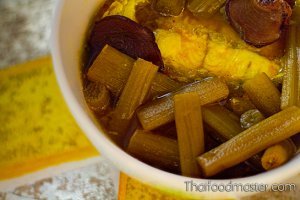
แกงเหลืองสายบัวปลากะพง - ชาวใต้ส่วนใหญ่ชอบรับประทานอาหารรสจัด คือเผ็ดจัด เปรี้ยวจัด ถ้าเป็นแกง ก็ต้องมีรสกะปิเข้ม และมักมีส่วนผสมของขมิ้นชันที่มีสีสีเหลืองจัด รสฉุนค่อนข้างแรง ผสมในเครื่องแกง ถือเป็นเอกลักษณ์เฉพาะของอาหารภาคใต้ ทั้งนี้เพื่อใช้ดับกลิ่นคาวจากเนื้อสัตว์ หรือปลา ที่นำมาแกง โดยคติชาวใต้สมัยเก่ามีความเชื่อในเชิงไสยศาสตร์อยู่ว่า ขมิ้นเป็น "ยาแก้ยา" หรือเป็น "พญายา" คือมีสรรพคุณทำให้บรรดาเวทย์มนตร์คาถาหรือคุณไสยต่าง ๆ ที่ผู้อื่นกระทำหรือปองร้ายให้เสื่อมสูญ ทั้งยังเป็นสมุนไพรแก้โรค ได้หลายชนิด และชาวใต้จะไม่นิยมใส่กระชายลงในเครื่องแกงเพื่อดับคาวปลาแบบอาหารภาคกลาง และก็ไม่นิยมเม็ดผักชี ยี่หร่า ใส่พริกแกงด้วยเช่นก้น ชาวใต้จะนิยมอาหารในสำรับที่มีความเผ็ด และเป็น "ประเภทน้ำ" หรือน้ำแกง และมักนิยมให้มีสองรส เผ็ด เปรี้ยว นั้น ถึงแม้จะมีอาหารชนิดเดียวในสำรับ ก็สามารถเจริญอาหารด้วยรสชาติทั้งสองนี้ หรือหากไม่มีน้ำแกงในสำรับ "น้ำพริก" หรือเครื่องจิ้ม ก็เป็นอาหารอีกชนิดหนึ่งที่มักไม่ขาดสำรับ ซึ่งจะได้จัดเตรียมนำมาเสนออีกในคราวต่อไป
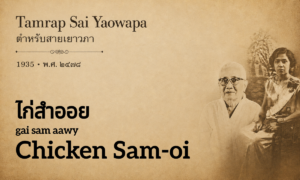
Chicken Sam-oi (ไก่สำออย; gai sam aawy)
Gai sam aawy, whole chicken steamed with sugarcane inside, then simmered in coconut cream with coriander seed and cumin. From Tamrap Sai Yaowapa, 1935.
1
2
3
4
5
6
7
8
9
10
11
12
13
14
15
16
17
18
19
20
21
22
23
24
25
26
27
28
29
30
31
32
33
34
35
36
37
38

Siamese Culinary Legends of the Rattanakosin period

Siamese cuisine is the accumulated wisdom of cooks at every level of the society – from housewives cooking at home and caring for their families, to cooks in the temple, to the culinary masters who created elaborate dishes behind the palace walls.

In this series of short articles highlighting their lives and work, we salute and pay homage to the most prominent individuals who influenced and shaped the Siamese culinary arts bpaa ga sin (ปากะศิลป์) of the Rattanakosin Era.

These background descriptions will put into perspective the dishes we present and cook here on Thaifoodmaster and will also help you to cook Thai dishes that taste like they have a solid bond to the culture, the land and its people.

Read more

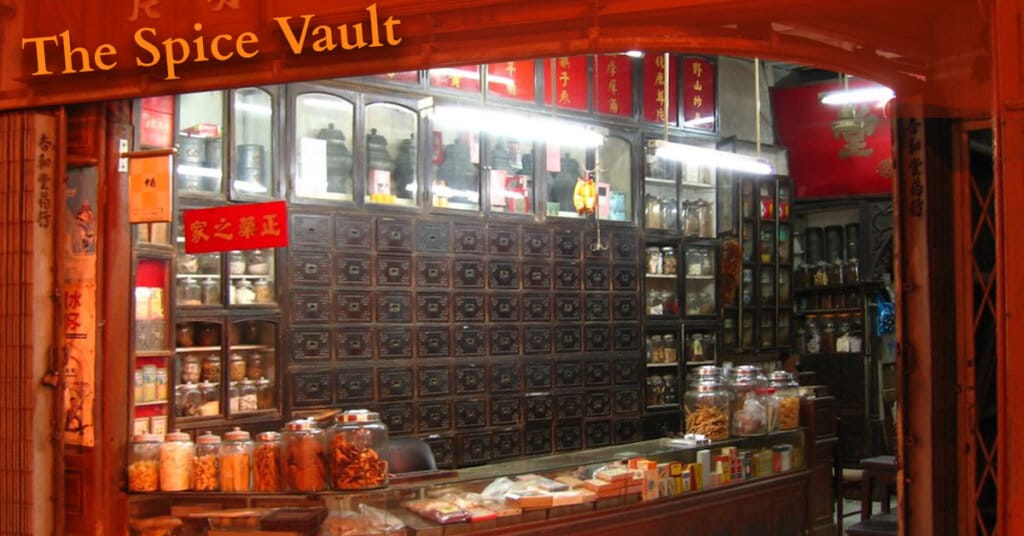
The Spice Vault

Here you will find recipes for popular spice mixes that you can make yourself! Homemade spice blends not only taste better and cost less, but you’ll also be able to create unique spice blends based on your personal preferences. As a bonus, you’ll use spices with no preservatives or artificial colors!

For example, members can explore recipes for Chinese five-spice mix, masalas for khao soi and hang lay curries, homemade Thai curry powder, and a variety of the spice blends used in Northern and Muslim Thai cuisines.

Read more

Get Access – Join Thaifoodmaster Today

Practical and kitchen-tested recipes with a mix of theory, history, psychology, and Siamese culture tidbits.

  • Get access to everything right away. Unlock more than 50 Masterclasses, over 700 recipes and Articles

    Access to Thaifoodmaster’s constantly growing library of prime professional classes, articles, recipes and videos on Siamese culinary topics, available nowhere else in English.

  • GET EXTRA - New Masterclasses and Daily Recipes

    Gain access to NEW masterclasses as they become available. Access DAILY translations of heritage-recipes.

  • 1-1 support from Hanuman

    1-1 support from Hanuman to help you achieve your professional Thai culinary goals

  • Live Q&A Sessions

    The opportunity to join a monthly live two-hour videoconference where I can answer your questions.

  • Great Value!

    one year access for the price of 3 days in-person training.

You will get everything you need to:

  • To Get inspired

    When you design or build a new menu for an event or restaurant or even prepare for dinner with friends.

  • To Satisfy your curiosity.

    Finally !

  • To Master Your Craft

    Master your Thai cooking skills and expand your repertoire.

It is truly brilliant with a revolutionary approach introducing aspects and concepts never broached by cookbooks.
Ian Westcott
Ian Westcott
Sourcing Wines for Discerning Private Clients