
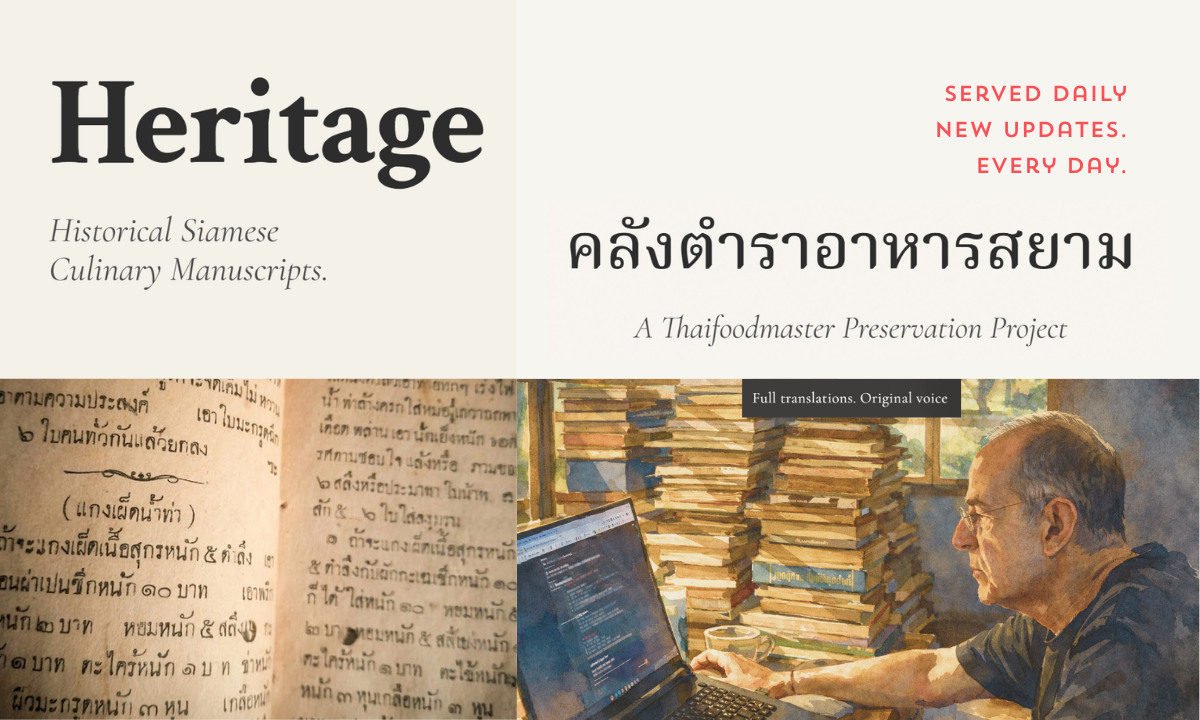
A Thaifoodmaster Preservation Project
Heritage - Historical Siamese Culinary Manuscripts.
คลังตำราอาหารสยาม
The Siamese Recipe Archive collects and translates historical Thai culinary manuscripts—primary sources written by the cooks, noblewomen, and food professionals who shaped the cuisine of the Rattanakosin era.
These are working documents. Each manuscript records practical knowledge shaped by its moment—what was available, what the tradition demanded, what a specific cook decided under real constraints. The sources vary—palace kitchens, professional caterers, schoolteachers, cremation volumes—but each preserves how someone approached the craft, the problems they solved, the techniques they considered worth recording.
Thaifoodmaster’s digitization projects make these texts accessible to modern cooks. We preserve the original authors’ voices—their instructions, their preferences, their occasional poetry—while converting archaic measurements to grams and presenting texts in readable modern formats.
The Layered Table: How Siamese Foodways Became Thai Cuisine
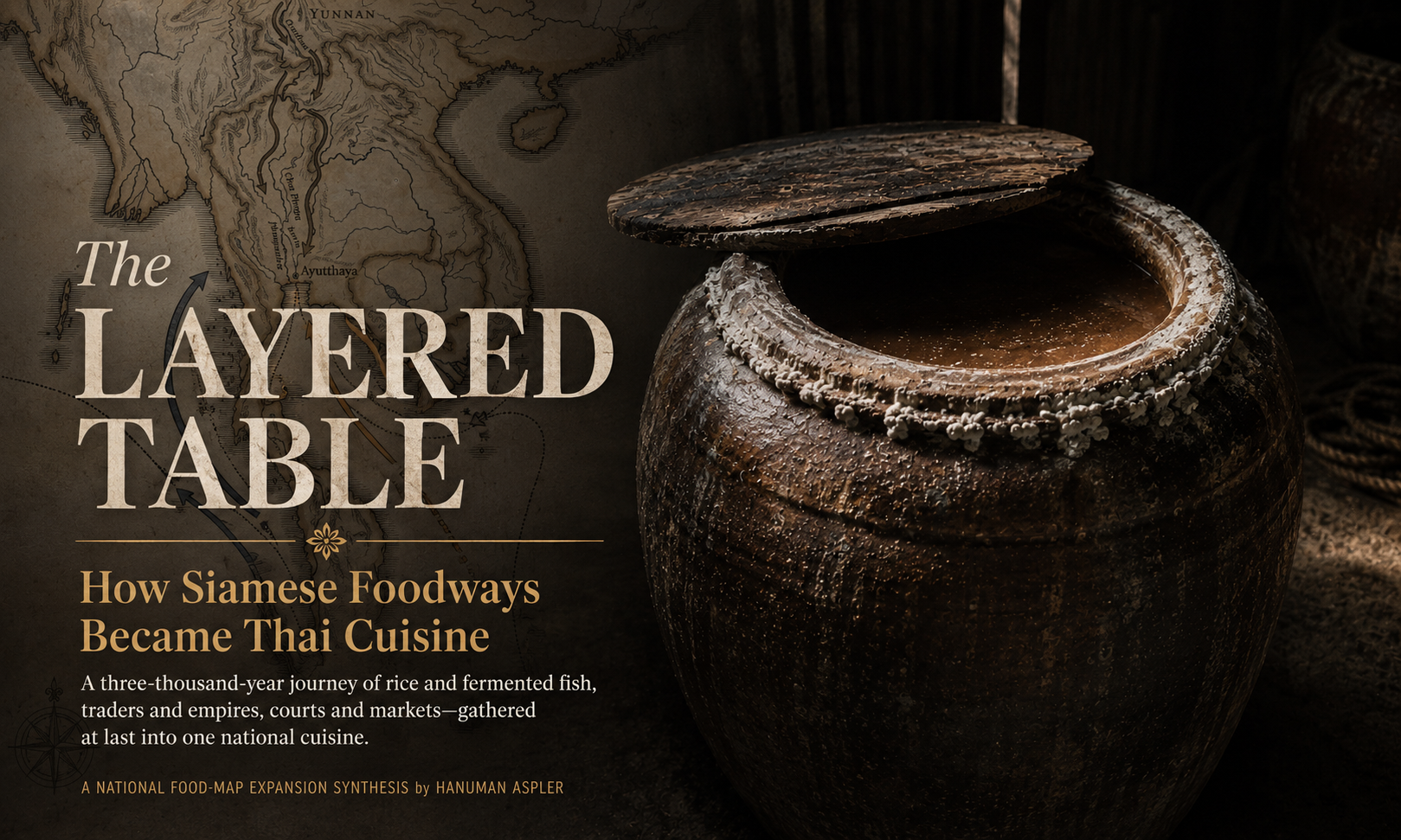
There is no pure Thai food, and the name itself is younger than my grandmother. The Layered Table follows the cuisine back through every layer that built it - the rice-and-fish foundation, the Mon and Khmer ground, the Indic spice technology, the foreign quarters of the Ayutthaya port, the two Chinese roads, and the regions the center absorbed last - to the single year a state gave the whole accumulation one name and called it Thai. Once you can read a dish, its whole history sits there in plain sight. Read in the right order, the plate becomes a calendar.
How to Read Historical Recipes: A Four-Dimensional Approach to Siamese Culinary
Every chef attempting to resurrect historical Siamese recipes confronts an uncomfortable truth: perfect replication is impossible. The soil has shifted its mineral composition since the 1890s. Heritage breeds have evolved. Even water tastes different now, filtered through treatment plants rather than stored in earthenware jars perfumed with jasmine flowers and pandan leaves. Yet this impossibility becomes liberation once we reframe what recipes actually are—not fixed instructions but ranges of potential outcomes that crystallize through cooking and transform into lived experience through eating. Historical recipes require four-dimensional reading: literal, contextual, subtextual, and narrative. They answer to four governors: availability, cultural appropriateness, culinary tradition, and superstition. Understanding these frameworks reveals where creative freedom genuinely lies—in that fertile space between memory and imagination where you construct your own culinary narrative. We're not archaeologists trying to resurrect dead dishes but active participants in living traditions.

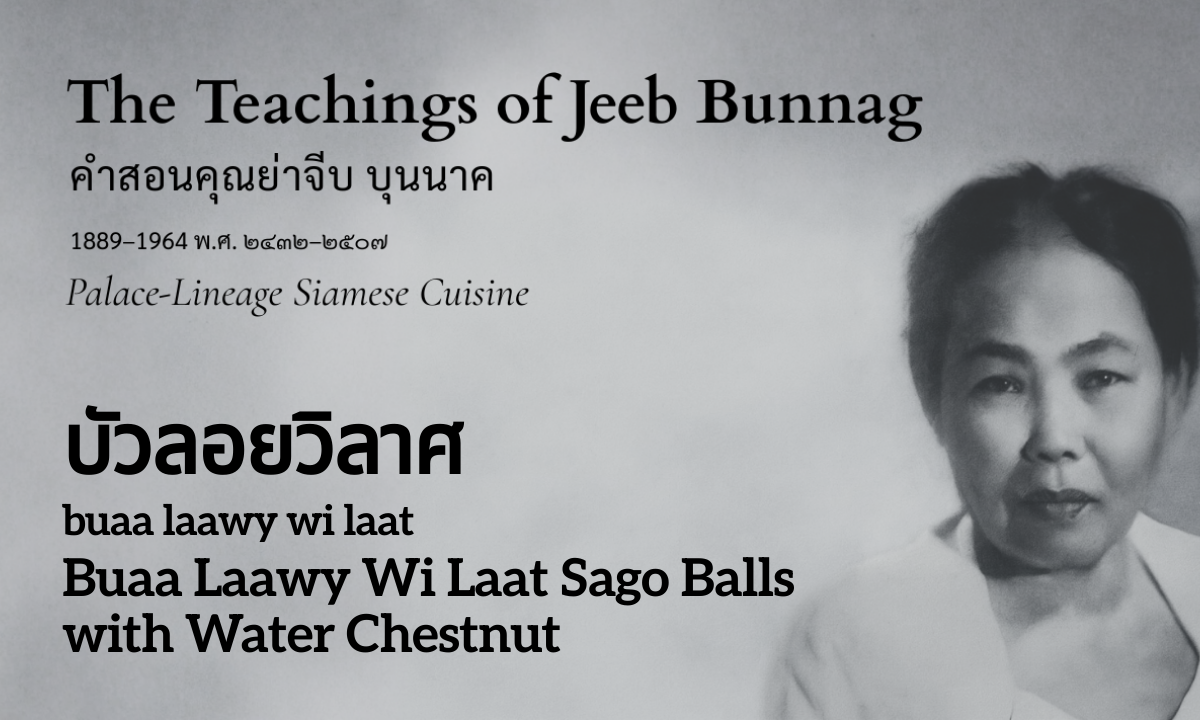
Jeeb Bunnag - The Teacher Who Preserved a Culinary Empire - A Biography of Mrs. Samaknantapol
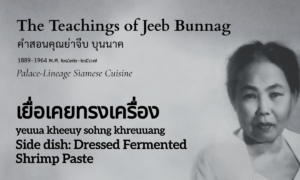
The life of Mrs. Samaknantapol (Jeeb Bunnag) (นางสมรรคนันทพล (จีบ บุนนาค)) offers a direct view into the transmission of Thai culinary knowledge across a century of change. Her teaching, writing, and documentation preserved the structures of palace cuisine while shaping methods that could be studied and applied in classrooms throughout modern Bangkok. Her 1933 work Samrub Raawp Bpee (สำรับรอบปี) remains an unparalleled record: 365 complete Samrub, old style Siamese meal sets, arranged with precision, reflecting daily rhythms of eating that were already disappearing from common practice. Through her work, we can study not only individual dishes but also the organization of meals and the cultural reasoning that guided them. As someone who follows her teaching, I approach this story with both historical and practical attention. Her writing has informed my own study of Thai cuisine, and years of cooking from her instructions have shown me the clarity and discipline of her teaching. This account presents her life within its contexts—family, education, print culture, and the evolving society of twentieth-century Siam—while also acknowledging how her work continues to guide readers today.
Chilies in Siam - Three Genomes, Four Trade Routes, One Culinary Revolution
Walk into any Thai kitchen today, and chilies seem so fundamental to the cuisine that imagining Thai food without them feels impossible. Yet these fiery plants traveled thousands of miles from the Americas through a journey far more complex than the simple story historians have long told - these foreign fruits would ultimately transform not just flavors but the very appearance of Southeast Asian food, tinting curries red, staining relishes and painting an entire culinary tradition in shades of fire. For centuries, that story went like this: Portuguese traders brought chilies to Southeast Asia in the early 1500s, spreading them from colonial centers in Goa and Malacca throughout the region. Most Southeast Asian societies incorporated chilies within 100-200 years - a remarkably rapid transformation that fundamentally altered how billions of people eat. This narrative is true, but incomplete. New genetic evidence reveals that chilies reached Southeast Asia through multiple networks operating simultaneously: Portuguese merchants, yes, but also Islamic maritime traders, Chinese overland routes, and Indian Ocean merchant communities. Rather than following a single European pathway, chilies arrived through interconnected global trading systems that had been operating for centuries. The story of how Siam got its fire reveals something profound about how cultural exchange actually worked in the early modern world - and how modern research is overturning colonial-era assumptions about who controlled global trade.
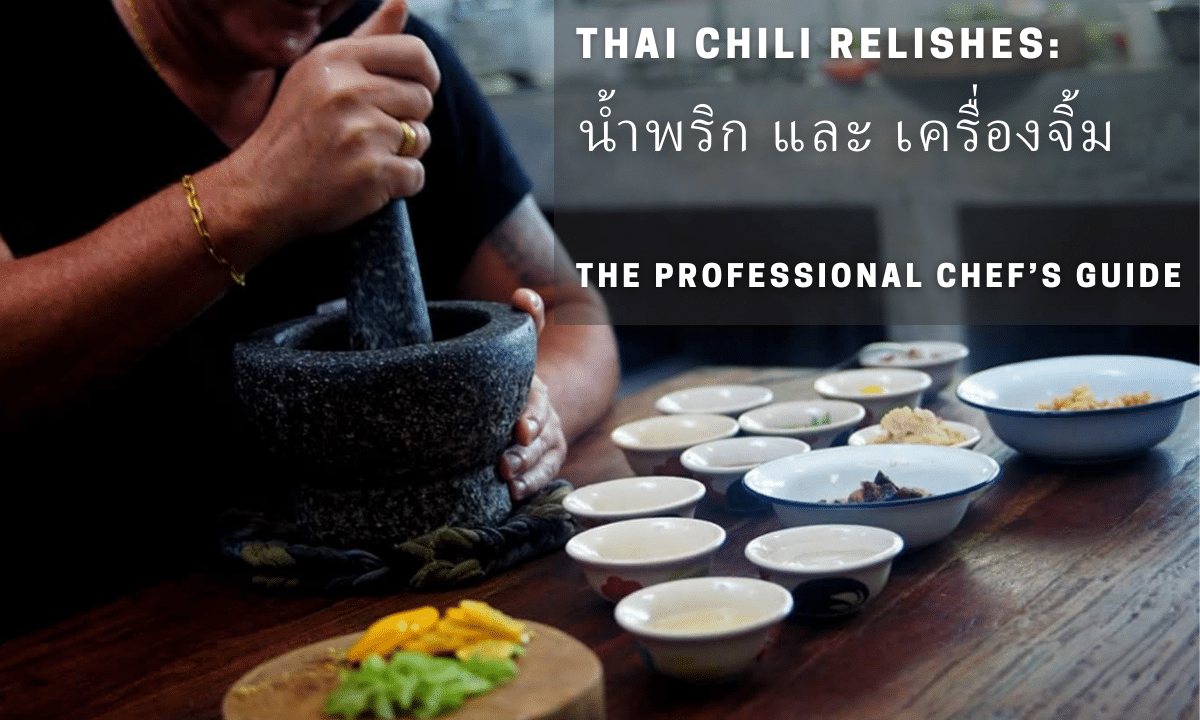
Siamese Chili Relishes – The Professional Chef’s Guide – น้ำพริก และ เครื่องจิ้ม
At the intersection of culinary culture and traditional lifestyles are Siamese chili relishes – probably the oldest type of Siamese food. In ancient times, relishes were essential to the diet, providing a flavorful accompaniment to rice, the staple food. Then – and today – relishes also are served alongside meats or vegetables, producing a tasty meal as well as promoting healthy nutrition. Chili relishes are an expression of ancestral Siamese culinary emotions, and the foundations of modern Thai cuisine.
In this complete companion to chili relishes, we embark on a journey to discover the origins, classifications and regional varieties of chili relishes. Along the way, we will learn about their ingredients, food pairing rules, and essential and practical preparation techniques.
This comprehensive Masterclass covers everything you need to know about preparing chili relishes creatively and authentically.
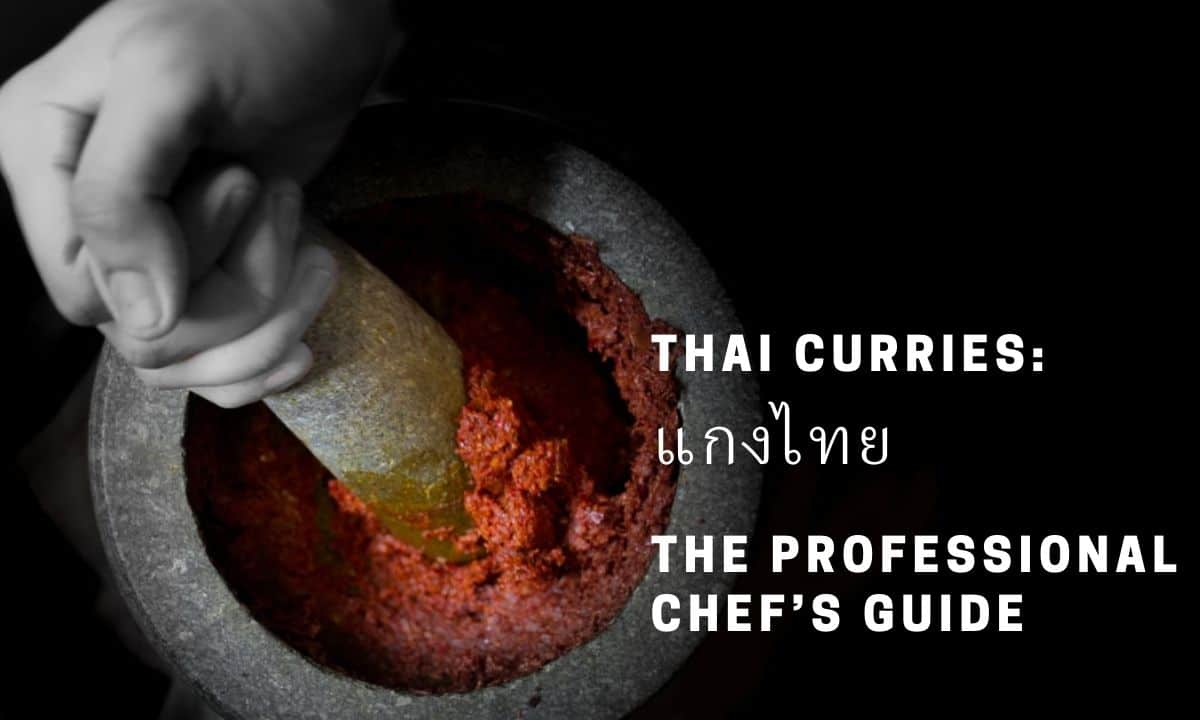
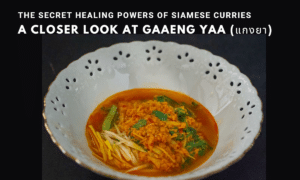
Thai Curries: The Professional Chef’s Guide – แกงไทย
In this unparalleled masterclass, we cover everything you need to know about cooking Thai curries creatively and authentically.
This no-nonsense, comprehensive, and uncensored companion masterclass on Thai curries will transform the way you perceive and execute Thai curries, and you will experience a dramatic improvement in your skills upon completing the class.
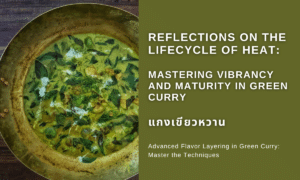
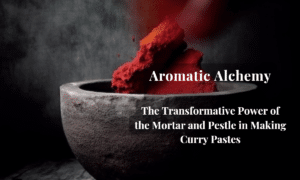
This masterclass covers Thai curries’ origins, classifications, regional varieties, curry paste composition, ingredients, spices, and color adjustments, along with essential and practical cooking techniques, and the superb flavor layering practices that master chefs use in crafting Thai curries.
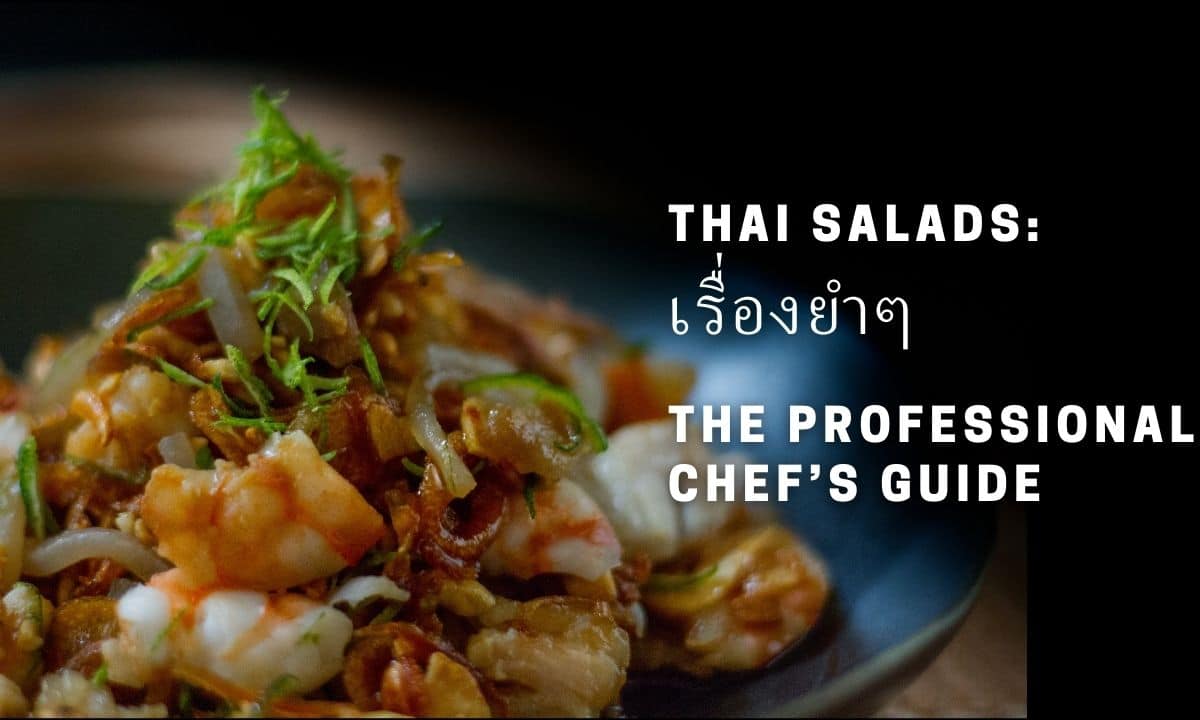
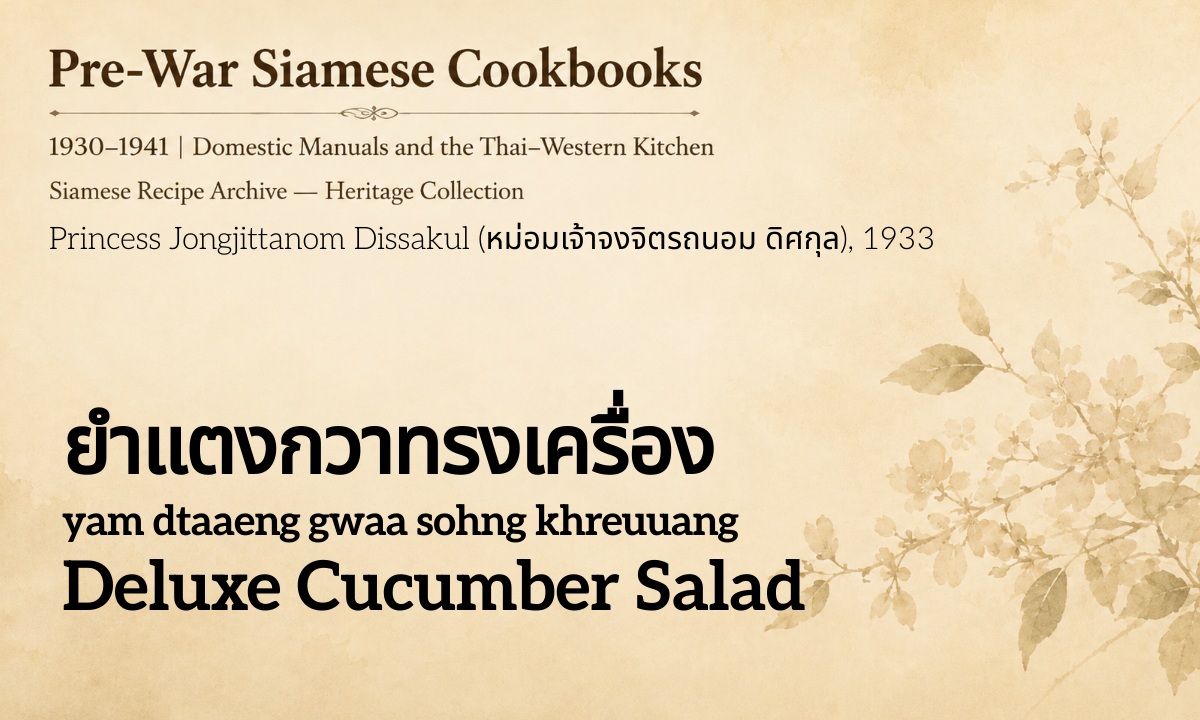
Thai Salads, The Professional Chef’s Guide - เรื่องยำๆ
In this inclusive masterclass, we cover everything you need to know about preparing Siamese salads creatively and authentically.
Modern-day Thai salads are often identified with a flamboyant appearance, and loud and often over-sweetened seasoning. In contrast, old-fashioned Siamese salads were gentle, soft and flavorful. In this immersive and uniquely designed masterclass, we decipher the intricacies of old-fashioned Siamese salads’ culinary codes, using Thaifoodmaster’s revolutionary visual approach to layering flavors.
While we all think we know how to toss a fantastic salad, in reality, the codes of Siamese salads remains enigmatic: This is due to the basic salad concept that dictates mixing short flavor phrases from distinctive elements in order that each element can be identified while remaining part of a harmonious new whole. Utilizing the Thaifoodmaster’s visual approach to salad design results in more positive, bright, vibrant, and coherent cooking skills, with a presentation that is not abstract but organic and containing references to nature.
This comprehensive masterclass will transform the way you perceive and prepare Thai salads – and you can anticipate a dramatic improvement in your skills after completing the class!
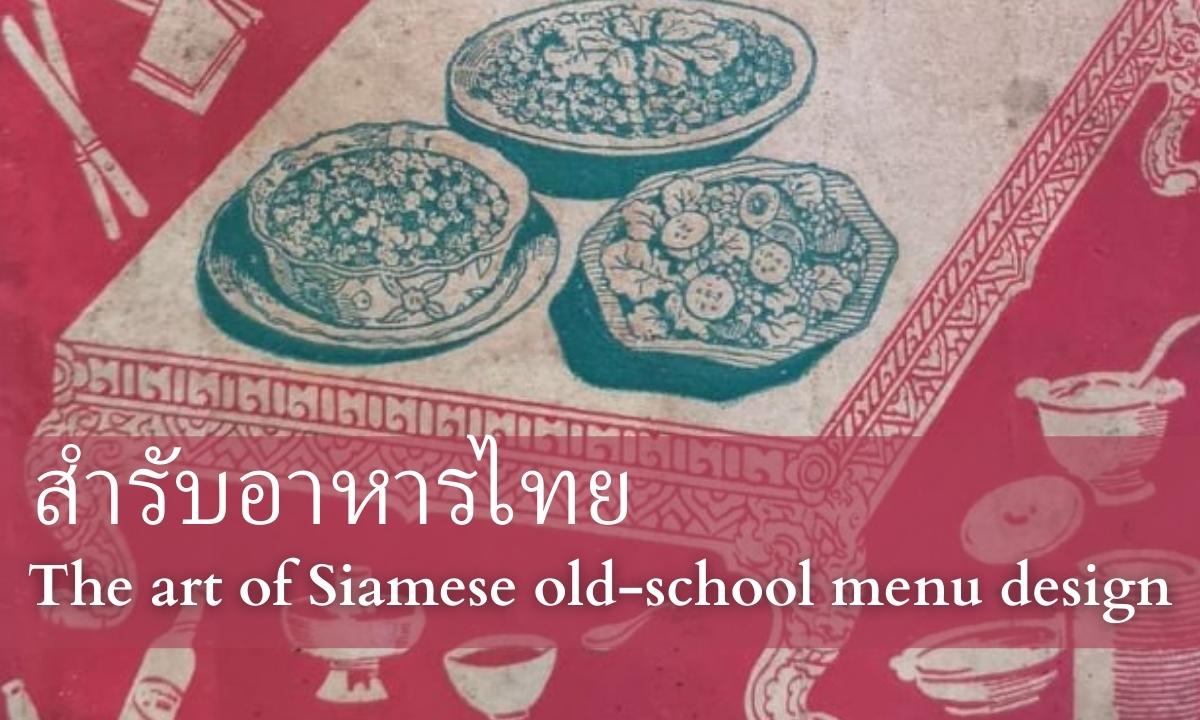
The art of Siamese old-school menu design สํารับอาหารไทย
Siamese meals are shared meals, and the dishes are served at the same time. The Siamese meal is always centered around rice; a well-crafted meal features several dishes served simultaneously. This selection of dishes is called samrub (สำรับ).
This masterclass explores the art of Siamese old-school menu design, as reflected in pre-WWII aristocratic Siamese manuscripts. The masterclass includes detailed reference materials with a large number of set menu ideas for everyday or special occasion meals, as well as a seasonal food calendar providing a year-round list of suggested ingredients based on their availability and optimal quality.
We’ll discuss how to assemble a balanced daily menu spanning breakfast through lunch and afternoon snacks until dinner, with in-depth discussions on factors such as seasonal ingredients, the occasion, and one’s health.
Whether you are a beginner or an experienced chef, this masterclass will provide you with eye-opening invaluable reference material, a detailed Samrub design mind map, and sixty-six practical set menu examples that you can immediately incorporate into your cooking.



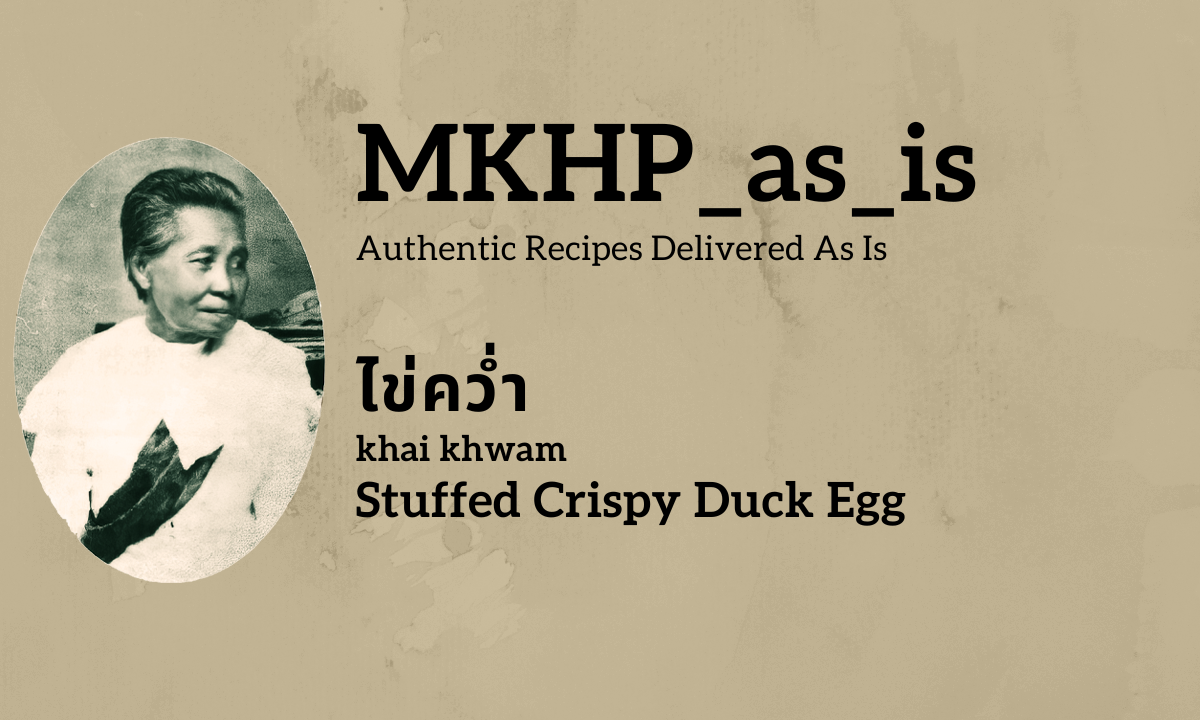

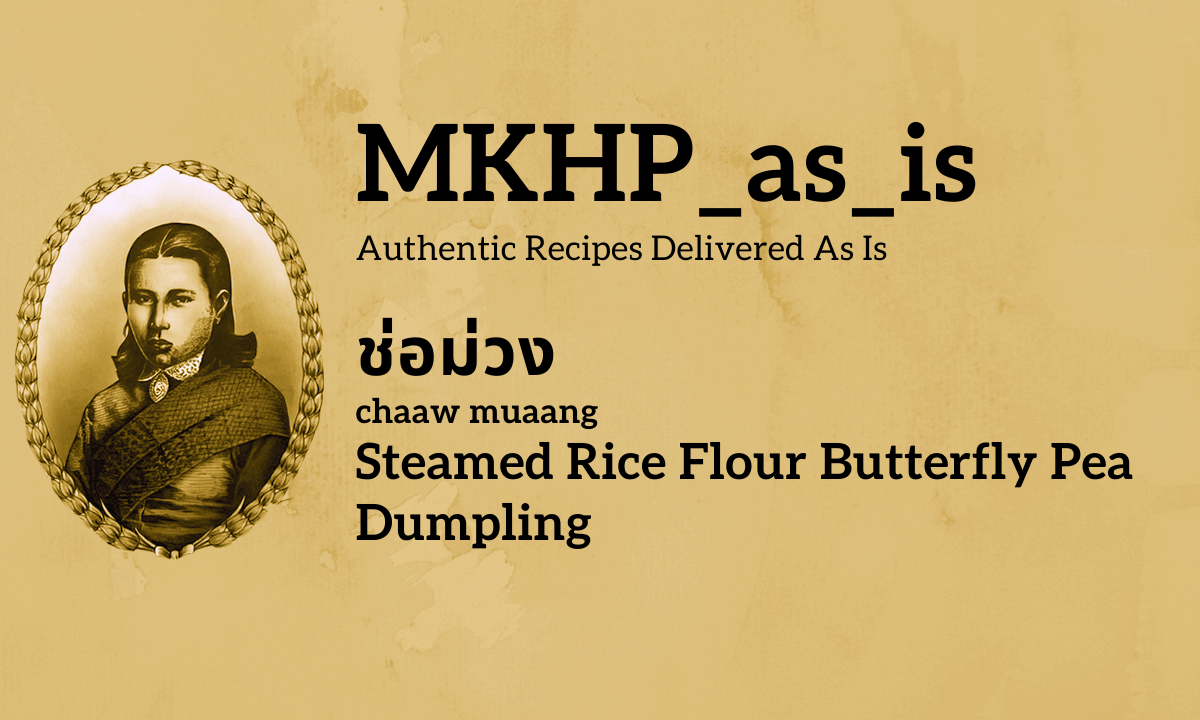
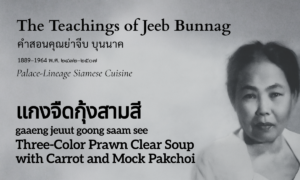
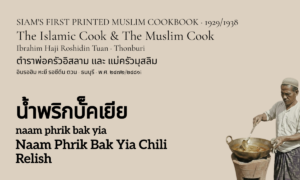
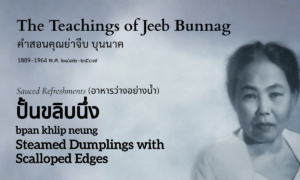
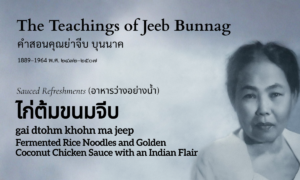
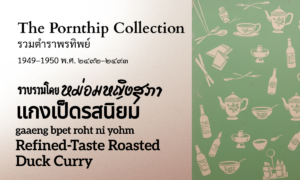
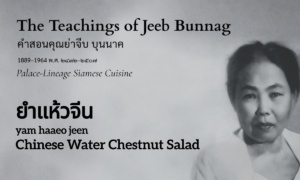
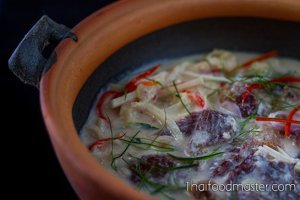
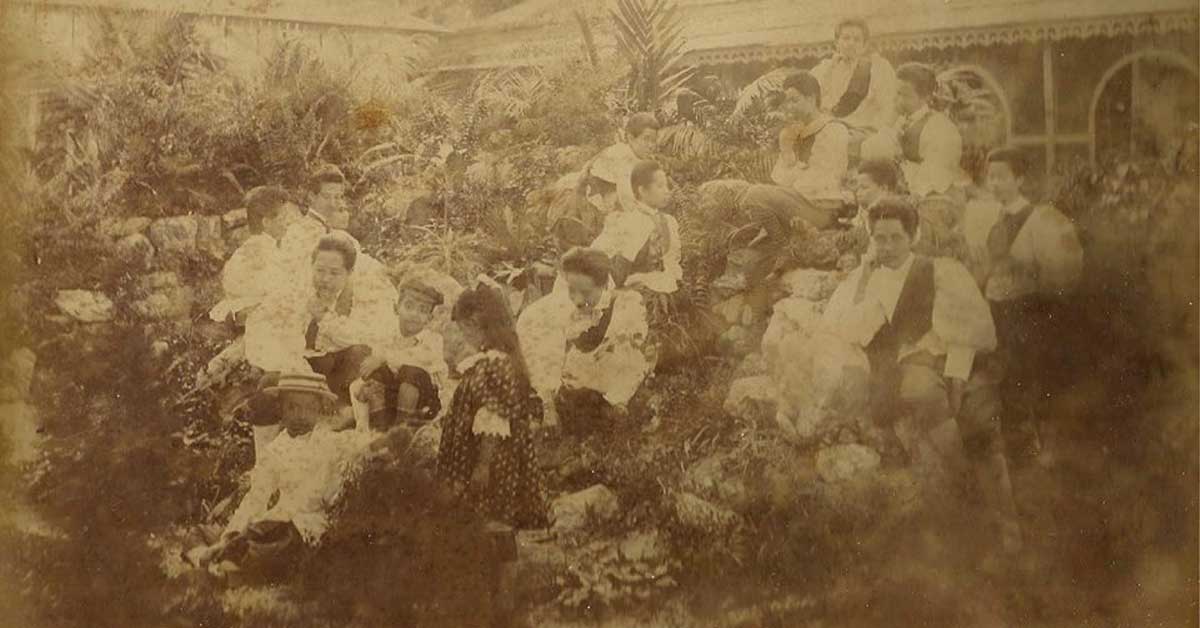
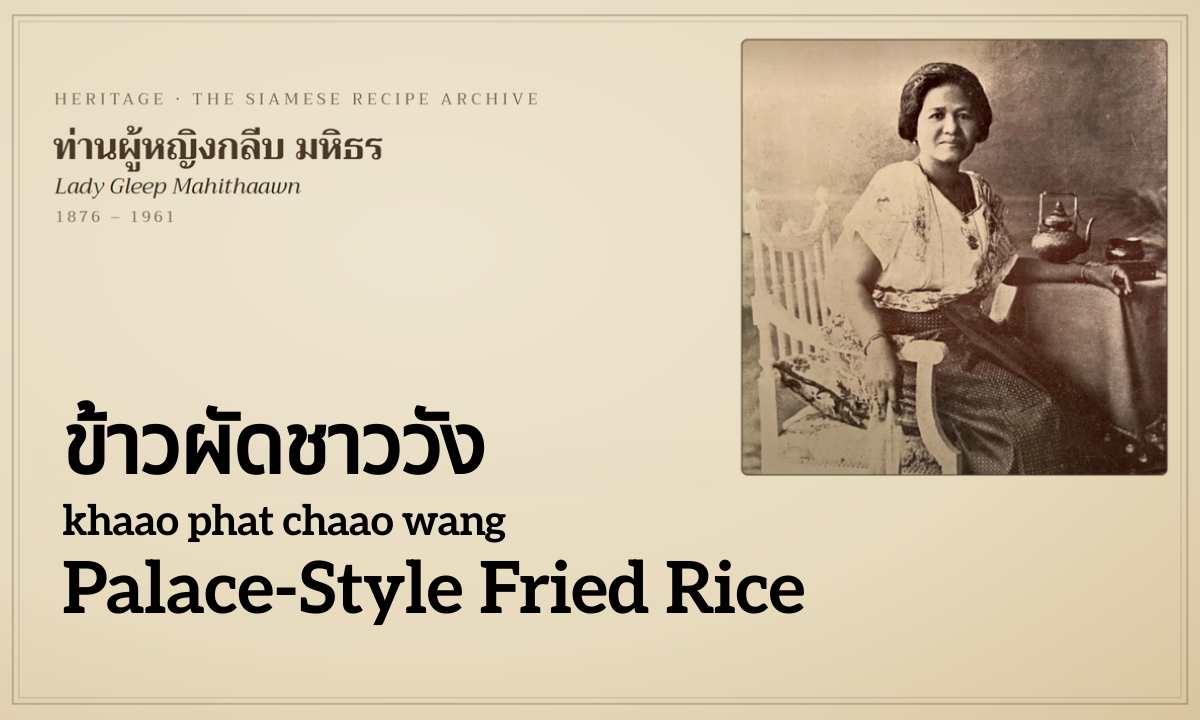
Siamese Culinary Legends of the Rattanakosin period
Siamese cuisine is the accumulated wisdom of cooks at every level of the society – from housewives cooking at home and caring for their families, to cooks in the temple, to the culinary masters who created elaborate dishes behind the palace walls.
In this series of short articles highlighting their lives and work, we salute and pay homage to the most prominent individuals who influenced and shaped the Siamese culinary arts bpaa ga sin (ปากะศิลป์) of the Rattanakosin Era.
These background descriptions will put into perspective the dishes we present and cook here on Thaifoodmaster and will also help you to cook Thai dishes that taste like they have a solid bond to the culture, the land and its people.
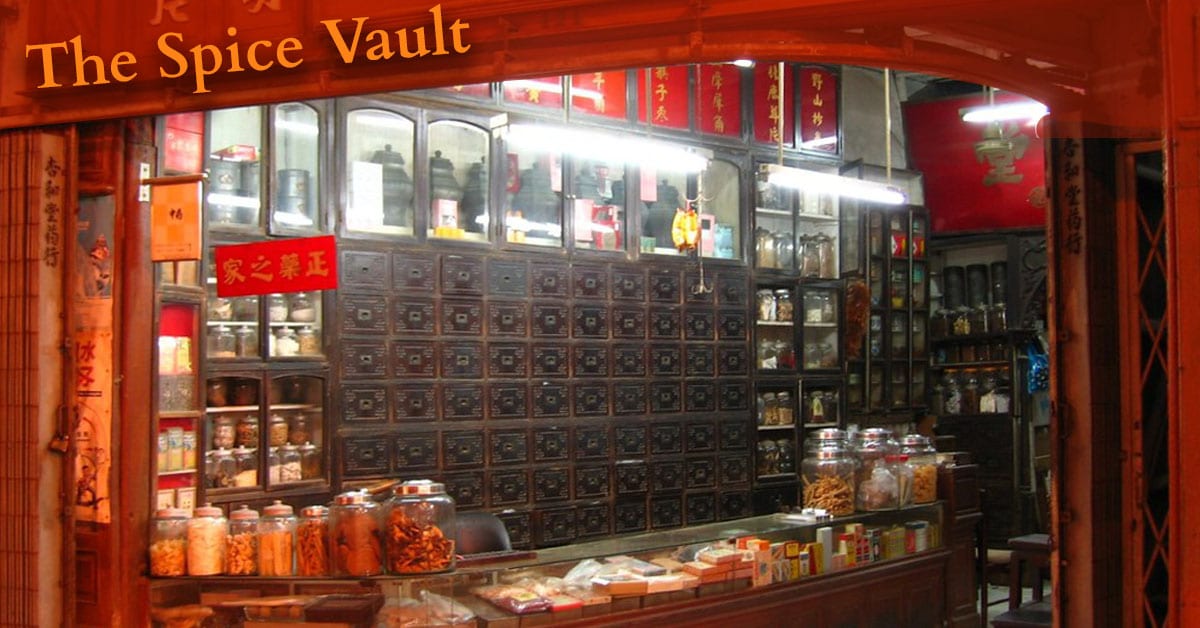
The Spice Vault
Here you will find recipes for popular spice mixes that you can make yourself! Homemade spice blends not only taste better and cost less, but you’ll also be able to create unique spice blends based on your personal preferences. As a bonus, you’ll use spices with no preservatives or artificial colors!
For example, members can explore recipes for Chinese five-spice mix, masalas for khao soi and hang lay curries, homemade Thai curry powder, and a variety of the spice blends used in Northern and Muslim Thai cuisines.


