
Celebrating the Art of Siamese Culinary Wisdom and Thai Cuisine
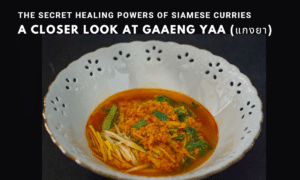
The Secret Healing Powers of Siamese Curries – A Closer Look at Gaaeng Yaa (แกงยา)
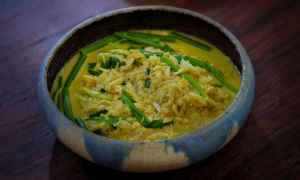
Crab and Spring Onion Coconut-Based Curry (แกงคั่วปูกับต้นหอม; Gaaeng Khuaa Bpuu Gap Dtohn Haawm)
Preparing a crab curry is an exercise in culinary diplomacy, wherein the challenge lies in negotiating the distinct flavors of land and sea into a cohesive understanding and capturing the perfect balance. This golden gastronomic horizon is where the delicate whispers of the ocean meet earth’s bold declarations – and at its core is a straightforward question: How do we craft a curry that testifies, via crab, to the ocean’s bounty, yet remains grounded in the earth’s aromatic flora, with roots like galangal and turmeric?
In addition, it is challenging to create a curry that is luxuriously creamy, yet light and not too greasy; where the crab’s delicate natural sweetness surfaces as a pleasant sea breeze, levitating above the pitfalls of being too fishy or overly sweetened. Another hurdle is achieving the precise color – produced by red chilies, golden turmeric and peppercorns – that reflects the culinary traditions of southern seashore fishing communities. I like mine set to about a 70:30 ratio of yellow to red and, if using black peppercorns, with a deep brown undertone.

Minced-Bird Style Curries - A Peek Into Traditional Ingredients and Cooking Methods (แกงสับนก; Gaaeng Sap Nohk)
Curry Paste Permeability
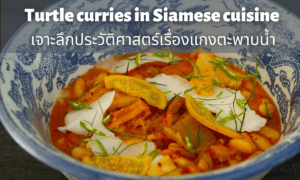
The complete story of turtle curries in Siamese cuisine (เจาะลึกประวัติศาสตร์เรื่องแกงตะพาบน้ำ)
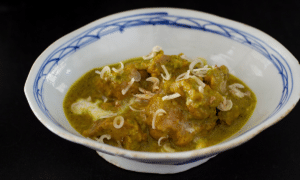
The Contrasting Histories of Gaaeng Rawaaeng (แกงระแวง) - Turmeric-Infused Coconut-Based Thick Curry of Braised Duck and Lemongrass
Gaeng rawang (แกงระแวง) is a curry bearing an unusual name and contradictory accounts regarding its appearance, lineage and origins. When I cook this dish, it is a rich and thick coconut-based curry made with a paste of fresh chilies, aromatics, spices and generous amounts of fresh turmeric, which adds warmth and gives the green chili color a slightly earthier, muted tone that resonates beautifully with the duck meat.
The duck meat is prepared separately and slow-braised in coconut cream before being cooked in the curry. This slow-braising process allows the coconut cream and duck’s fattiness to melt together, resulting in moist and flavorful meat with a hint of sweetness. The curry itself is seasoned to a salty and slightly sweet flavor profile.
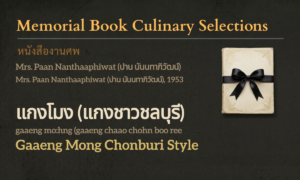
Gaaeng Mong (Chonburi-Style Curry) (แกงโมง (แกงชาวชลบุรี); gaaeng mo:hng (gaaeng chaao chohn boo ree))
Gaaeng Mong, a Chonburi regional curry with fermented shrimp paste, grilled catfish, and young watermelon. From Mrs. Paan Nanthaaphiwat, 1953.
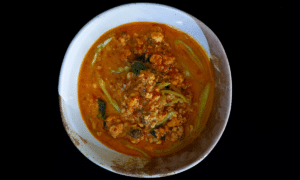
Minced-Bird Curry with Fish (ปลาช่อนแกงนก; Bplaa Chaawn Gaaeng Nohk)
Lady Plean Passakornrawong’s historic, first-ever recipe for minced-bird curry with snakehead fish revives the old minced-bird curry syle. The fish is minced and cooked with the curry paste, producing a hearty and comforting thick-textured curry.
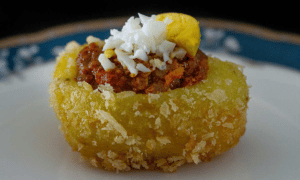
c1935 Stuffed Potatoes with Bitter Orange Fragrant Beef Gaaeng Garee (แกงกะหรี่บรรจุมัน ม.ล. เติบ กำภู ; gaaeng garee ban joo man)
In Anglo-Indian cuisine, potatoes were used liberally in the curries; alongside the favorite sour chutneys, curries were also accompanied by fried, baked, boiled or mashed potatoes. Although the potato gradually found its way into many iconic Indian dishes, and even into Siamese cuisine, the tuber never replaced the rice of South Asia, despite the intentions of both the British and East Indian company officials.
In the 1935 book Sai Yaowapa (ตำรับสายเยาวภา), Princess Yaovabha Bongsanid (พระเจ้าบรมวงศ์เธอ พระองค์เจ้าเยาวภาพงศ์สนิท) reflects the Anglo-Indian style gaaeng garee in her composition of bitter orange-fragrant beef gaaeng garee, which she serves in individual bowls made of fried potatoes, per a recipe recorded by M.L. Terb Gamphu (ม.ล. เติบ กำภู) and M.R. Tuang Sanitwong (ม.ร.ว.เตื้อง สนิทวงศ์).
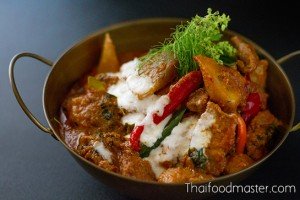
แกงหมูย่างกับกล้วยดิบ
แกงตำรับนี้มีในตำรา "แม่ครัวหัวป่าก์" (เล่มอนุสรณ์ เจ้าจอมพิศว์ ในปี 2514) เจ้าจอมพิศว์ นั้นมีบิดา คือ เจ้าพระยาภาสกรวงศ์ (พร) และมีมารดาคือ ท่านผู้หญิงเปลี่ยน ภาสกรวงศ์ ผู้ที่ริเริ่มเขียนหนังสือตำรากับข้าวแม่ครัวหัวป่าก์ อันโด่งดัง โดยผู้ที่ทำด้านอาหารไทย ต่างเสาะแสวงหากัน โดยเฉพาะพิมพ์ 1 นั้นเอง เจ้าจอมพิศว์นั้น มีพี่น้องร่วมบิดา และมารดาเดียวกันคือ จมื่นศรีสรรักษ์(เพ่ง บุนนาค), นาย ราชาณัตยานุหาร (พาสน์ บุนนาค) หม่อม พัฒน์ รัชนี (หม่อมในพระราชวรวงศ์เธอ กรมหมื่นพิทยาลงกรณ์) และคุณหญิงพวง ดำรงค์ราชพลขันธ์ (ภรรยา พลเรือโท พระยาดำรงค์ ราชพลขันธ์) (กร บุนนาค) และในตำราเก่าๆอีกหลายเล่มเช่นกัน เคยเห็นเชฟระดับประเทศบางท่านนำเสนอในนิตยสารไว้ด้วยเมื่อหลายปีมาแล้ว แกงนี้มีส่วนประกอบง่ายๆอีกเช่นกัน มีหมูย่าง กล้วยดิบ พริกแกง กะทิ พริกแดง ใบมะกรูด และ ใบกระเพราแดงและดอก เพียงเท่านี้
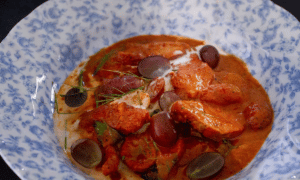
c1941 Roasted Duck Curry with Grapes (Gaaeng Ho) (แกงเป็ดเหาะใส่องุ่น อย่างคุณถนอม ปาลบุตร พ.ศ. 2484; gaaeng bpet haw sai angoon)
Grapes have long been associated with prosperity, fertility and abundance across various cultures and historical periods due to the fruit’s large clusters and bountiful growth. In ancient China, grapes were considered a symbol of wealth and nobility, and often deployed as a status symbol among the elite. In Greek mythology, Dionysus, the god of wine and fertility, was often depicted holding a bunch of grapes, further emphasizing the connection between grapes and abundance. This association is also likely rooted in the fact that grapes were a valuable crop in antiquity – used to produce wine and other fermented products, and an important source of food and nutrition. In Indian Ayurvedic texts, grapes are referred to as vineaksha and utilized in treating a variety of ailments, including fever and indigestion.
From the Siamese perspective, the incorporation of fruits in culinary preparations was viewed as a luxurious indulgence, as many fruits commonly available today were once difficult to obtain. Thus the pairing of an extravagant ingredient – such as fruit – with an equally opulent and exclusive delicacy like roasted duck resulted in a dish fit for royalty.
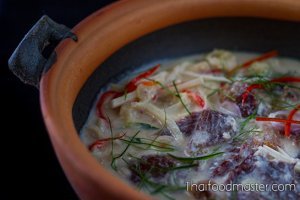
แกงต้มกะทิเนื้อโคเค็ม อย่าง จีบ บุนนาค (พ.ศ. ๒๔๘๔)
ภูมิปัญญาไทยโบราณท่านมีความอัจฉริยะล้ำเลิศ คิดปรุงตำรับอาหารที่ได้ผลออกมาอย่างลงตัว ดังที่กล่าวมาในบทก่อนหน้า วิถีไทยอาศัยการถนอมอาหารด้วยการทำเค็มหรือตากแห้ง และเมื่อจะนำมารับประทาน ความรุ่มรวยทางวัฒนธรรมการกิน บวกกับความมีศิลปะแห่งการปรุง คนสมัยก่อนสามารถรังสรรค์ของใกล้ตัว ให้ออกมาเป็นตำรับที่วิเศษได้โดยง่าย ง่ายด้วยกรรมวิธี ง่ายด้วยวัตถุดิบเครื่องปรุง ให้เป็นของอร่อยแบบไทยแท้ หนึ่งในตำรับนั้นคือ "ต้มกะทิเนื้อโคเค็ม"....
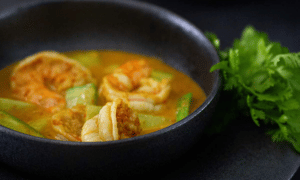
c1889 Garee Curry with Shrimp and Cucumber (แกงกะหรี่กุ้งกับแตงกวา; gaaeng garee goong gap dtaaeng gwaa)
In this old-fashioned coconut-based curry, orangey shrimp and bright green cucumber shine in a golden haze of curry powder, caressed by the light breeze of Indian flare. Cucumbers are used in traditional Ayurvedic medicine as a coolant, to offset internal heat and to resolve fevers. Thus, like a refreshing oasis in the middle of a shimmering desert, the cucumber counterbalances the chili’s internal heat energy and mellows the fragrant, earthy undertones of the spice blend in the dish.
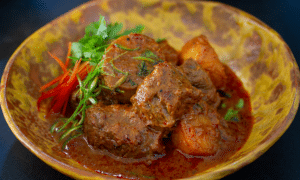
Perfumed Braised Beef and Potato Curry with Three Gingers, Thai Basil and Bitter Orange (แกงเนื้อใส่เปราะหอมสดและส้มซ่า; Gaaeng Neuua Sai Bpraw Haawm Soht Lae Sohm Saa)
Discovered in a memorial book for the funeral of SubLt. Soophoht Jeungpraphaa (ร.ต. สุพจน์ จึงประภา) (1925-1966), this beef and potato curry dish unites two distinct curry styles: Massaman curry, known for its sweet and warming complexity of dry spices, punctuated by the vibrancy of bitter orange juice; and gaaeng phet (แกงเผ็ด) spicy curry, dominated by a basil herbal identity. The recipe maintains a sense of traditional elegance despite the startlingly unusual culinary fusion; as these two cooking styles are woven together, their spiced comfort, earthy warmth, citrusy freshness, and cool herbaceous notes meld in a gentle refinement. Drawing upon familiar and novel elements, this curry is both comforting and stimulating.
Massaman curry typically presents as a deep, rich dish. Its unique flavor profile is derived predominantly from a range of dry spices that point to its Persian-inspired roots in Siamese cuisine, along with a curry paste that exudes a sense of freshness. The dried chilis are roasted to deepen their color; the rest of the ingredients, such as the shallots, garlic and dry spices, are roasted too, individually, before being pounded into the paste. Conversely, the gaaeng phet (แกงเผ็ด) curry integrates dry spices more sparingly and is known for flavor qualities that are based on a phrik khing (พริกขิง) paste made of fresh aromatics and a basil herbal identity.
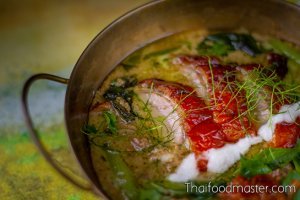
แกงเขียวหวานเป็ดย่าง
ตำรับแกงแบบไทยแท้ ๆ นั้น ไม่ใช่แกงเข้ากะทิดอกขอรับ ถ้าจะนับความเป็นไทยแท้ ๆ แบบที่เรียกว่า ไทยแท้ (Authentic) นั้นเห็นจะหายากเสียแล้ว คงต้องกลับไปรับประทานพวกต้มปลาร้า หรือแกงเลียง แกงต้มส้ม ไปโน่นล่ะขอรับ ด้วยพริกที่เราเคยชินกินแล้วเผ็ดร้อนกันในปัจจุบันนี้ หาใช่ของพื้นเมืองไทยแท้มาแต่เดิมไม่ พวกฝรั่งเพิ่งนำเข้ามาในสมัยอยุธยานี่เอง ส่วนแกงแบบเข้ากะทิ เราก็รับมาจากแขกมลายูหรือแขกเปอร์เซีย ในสมัยอยุธยาเช่นกันแล้วค่อยมาพลิกแพลงดัดแปลงให้เป็นแกงแบบไทย ๆ
ดังนั้น คนสมัยก่อนถึงได้เรียกพริกสีแดง ๆ เขียว ๆ นี่ว่า พริกเทศ ส่วนเครื่องปรุงที่ให้รสเผ็ดร้อนมาแต่เดิมนั้น เรามักเรียกใช้ พริกไทย ตะไคร้ ขิง ข่า กระชาย เสียมากกว่า จึงเห็นได้ว่าแกงเลียง แกงต้มส้ม แกงต้มปลาร้า ถึงไม่มีพริกเทศเป็นเครื่องปรุงหลัก ภายหลังต่อมาคนไทยจึงมีวัฒนธรรมอาหารพวกต้มแกงดัดแปลงให้ถูกปากถูกลิ้น ใส่พริกเทศ ใส่กะทิ เข้าสมุนไพร พัฒนามาเป็นแกงส้ม ต้มยำ ต้มโคล้ง ต้มข่า แกงเผ็ด แกงคั่ว แกงฉู่ฉี่ แกงพะแนง แกงมัสมั่น ฯลฯ กันสืบมา ซึ่งก็ว่าเป็นแกงออกสีพริกแดงกันเป็นส่วนใหญ่ หากก็มีคนถามว่า แล้วแกงเขียวหวานล่ะ มีมาแต่เมื่อใดกันเล่า เรื่องนี้เห็นทีจะสืบค้นสืบเค้ายากหน่อย เพราะไม่มีบันทึกเป็นลายลักษณ์อักษรแน่ชัด ได้แต่สันนิษฐานและอนุมานเอา
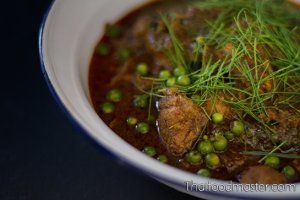
แกงเผ็ดลูกทุ่งภาคใต้
"แกงเผ็ดลูกทุ่งภาคใต้" นี้ จะนิยมใช้เนื้อสัตว์ที่ตัวโต ขนาดใหญ่ขึ้นมากว่าสัตว์น้ำที่นิยมทั่วไปในภาคใต้ อย่างไก่ หมู แพะ หรือ เนื้อวัว มาปรุงมาทำเมนูพิเศษตำรับนี้ เพื่อให้ได้สารอาหารโปรตีนชนิดอื่น ๆ ที่จำเป็นต่อการสร้างเสริมภูมิคุ้มกัน ให้กับร่างกาย โดยจะเน้นรสชาติที่เข้มข้น คือ เน้นรสเผ็ดร้อนมากกว่าอาหารปกติ เครื่องแกงที่ใช้ ก็จะใส่พืชสมุนไพรอย่าง ดีปลี พริกไทยเม็ด และ ข่า นอกเหนือจากเครื่องแกงทั่วไป คั่วหรือเผาก่อนโขลก งานนี้ เน้นข่า เป็นตัวเอก จะใช้มากหน่อย และลดหอมแดงลง หรือไม่ใช้เลย เพราะหอมแดงจะกลบกลิ่นข่าไปเสีย วันนี้ขอแกงด้วยเนื้อหมู หากเป็นสมัยก่อนนั้น โอกาสจะได้รับประทานหมูจะไม่ค่อยบ่อย เพราะชุมชนทางใต้มักจะเป็นมุสลิม นับถือศาสนาอิสลาม ด้วยอิทธิพลการเป็นเมืองท่าชายทะเล ได้รับวัฒนธรรมจากอินเดีย หรือจากแถบอาหรับมาแต่เก่าก่อน เนื้อหมูซึ่งปัจจุบันค่อนข้างหาง่ายหน่อย จึงเหมาะกับสมาชิกท่านผู้อ่านทั่วไป ที่บางท่านไม่รับประทานเนื้อวัว ตำรับนี้จะไม่ใส่ผักอื่นใด เน้นสมุนไพร แต่จะใส่ข่าอ่อนซอยฝอย และเม็ดพริกไทยอ่อน ใบมะกรูดหั่นฝอย เพิ่มรสชาติเผ็ดร้อน เข้าไปอีก และจะเป็นแกงแบบน้ำขลุกขลิก ไม่ใส่น้ำมากอย่างแกงส้มแกงเหลือง ขั้นตอน เครื่องปรุง และวิธีการทำ โปรดดูได้ในช่วงท้าย
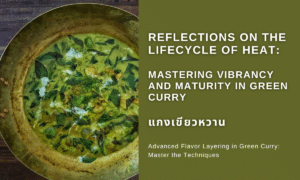
Reflections on the Lifecycle of Heat: Mastering Vibrancy and Maturity in Green Curry (แกงเขียวหวาน)
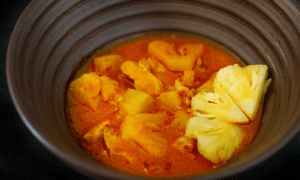
c1933 Manifold flavors curry – a chicken and pineapple spicy curry (แกงเผ็ดหลากหลายรส; gaaeng phet laak laai roht)
At first glance, this chicken and pineapple curry might seem ordinary or plain. After all, even though spicy curries with sour notes have been relished for ages, they feature repetitive patterns that could be viewed as common and perhaps uninteresting. However, with a calculated yet simple approach, this curry turns corners – quite literally – into a dish with a new flavor melody. It is thus referred to by its author, Mrs. Samaknantapol (Jeep Bunnag) (นางสมรรคนันทพล, จีบ บุนนาค), as laak laai roht, a “curry with manifold flavors (หลากหลายรส)”.
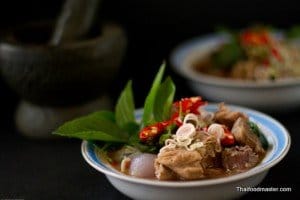
แกงรัญจวน
แกงโบราณชนิดนี้ เริ่มกลับมาเป็นที่นิยมอีกครั้งหนึ่ง หลังจากพอมีร้านอาหารไทยบางร้านนำตำรับนี้ไปบรรจุเป็นหนึ่งในเมนู และจากหนังสืออัตตชีวประวัติของ ม.ล. เนื่อง นิลรัตน์ ผู้เขียนเรื่องราวชีวิตในสำนักพระวิมาดาเธอ กรมพระสุทธาสินีนาฏ ปิยมหาราช ปดิวรัดดา แหล่งขึ้นชื่อเรื่องฝีมือปรุงอาหารในช่วง รัชกาลที่ ๕ ถึงสมัยรัชกาลที่ ๗ และอีกหนึ่งสาเหตุก็มาจากบทละครย้อนยุคยอดนิยม เมื่อไม่นานมานี้ เกี่ยวกับเรื่องคุณชายแห่งราชตระกูลหนึ่ง ๕ คน ที่มีเรื่องราวความรักโรแมนติกในการหาคู่ครอง มีการพิสูจน์คุณสมบัติ ของตัวเอกฝ่ายหญิงที่เหมาะสมจะมาเป็นคู่ครองของคุณชายทั้ง ๕ ซึ่งแบ่งเป็นตอน ๆ ละคน รวม ๕ ตอน และมีตอนหนึ่งกล่าวถึงเรื่องราวที่ทำการพิสูจน์ความสามารถของนางเอกด้วยการทำ “แกงรัญจวน” ซึ่งเป็นอาหารเริ่มต้นจากในวังสวนสุนันทา มาเป็นเนื้อหาของบทละคร บรรดาแฟนละครเลยตามหาสูตรกันใหญ่ ที่พึ่งของแหล่งข้อมูล ก็ดูจะหนีไม่พ้นในกูเกิ้ล ในบางเว็ปไซด์ในอินเตอร์เน็ต
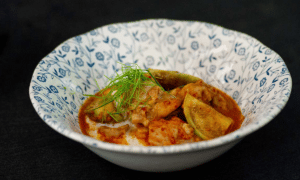
Chiang Mai-Style Chicken Gaaeng Garee (แกงเผ็ดกะหรี่เชียงใหม่ ; gaaeng phet garee chiang mai)
I discovered this unusual curry recipe hidden in a 1970 memorial book for Ms. Bootree Gralaksa. Born in Bangkok in 1898, Ms. Bootree spent her entire life, from childhood on, in a wooden house on Maha Chak Road (Pra Nakorn). One could say that she was born to be a great cook; just fourteen years old when her mother died, Ms. Bootree became the sole caregiver for her four siblings, a duty that she performed with a love and attention that endowed her with remarkable cooking skills. Her memorial book showcases now-forgotten dishes that were popular in the Bangkok of the early 1900s, such as Beautiful Curry (แกงหงษา ; Gaaeng Hohng Saa), and also includes some of her one-of-a-kind culinary creations – such as this dish, which she dubbed “Chiang Mai-Style Spicy Curry”.
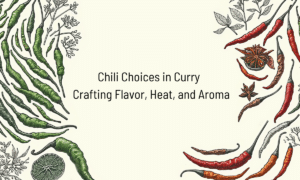
Chili Choices in Curry - Crafting Flavor, Heat, and Aroma
The type of chilies – fresh, dried or rehydrated – and how they are processed into the curry paste have a significant influence on the dish’s flavor, color, aroma and heat profile. Fresh chilies inject an immediate, sharp spike of heat that rushes in with a piercing, punctuating intensity, a grassy aroma and fruity liveliness. Dried chilies, on the other hand, impart a subtle warmth alongside rich, earthy notes that gradually build up into a steady, lingering burn. The choice of the chili variety will also shape the curry’s flavor. Through an informed selection and processing of chilies, cooks can navigate between mild and spicy, fruity and earthy, and bright and mellow flavors, creating a complex and nuanced heart for their curries.
1
2
3
Get Access – Join Thaifoodmaster Today
Practical and kitchen-tested recipes with a mix of theory, history, psychology, and Siamese culture tidbits.
-
Get access to everything right away. Unlock more than 50 Masterclasses, over 700 recipes and Articles
Access to Thaifoodmaster’s constantly growing library of prime professional classes, articles, recipes and videos on Siamese culinary topics, available nowhere else in English.
-
GET EXTRA - New Masterclasses and Daily Recipes
Gain access to NEW masterclasses as they become available. Access DAILY translations of heritage-recipes.
-
1-1 support from Hanuman
1-1 support from Hanuman to help you achieve your professional Thai culinary goals
-
Live Q&A Sessions
The opportunity to join a monthly live two-hour videoconference where I can answer your questions.
-
Great Value!
one year access for the price of 3 days in-person training.
You will get everything you need to:
-
To Get inspired
When you design or build a new menu for an event or restaurant or even prepare for dinner with friends.
-
To Satisfy your curiosity.
Finally !
-
To Master Your Craft
Master your Thai cooking skills and expand your repertoire.
It is truly brilliant with a revolutionary approach introducing aspects and concepts never broached by cookbooks.

Ian Westcott
Sourcing Wines for Discerning Private Clients
© 2008 – 2026 Thaifoodmaster


